Safer school routes, accountable road budgets, properly managed fleets and reliable emergency care can turn road safety promises into practical protection. A new Safe System report offers lessons, but Zambia must apply them through its own institutions and everyday realities.
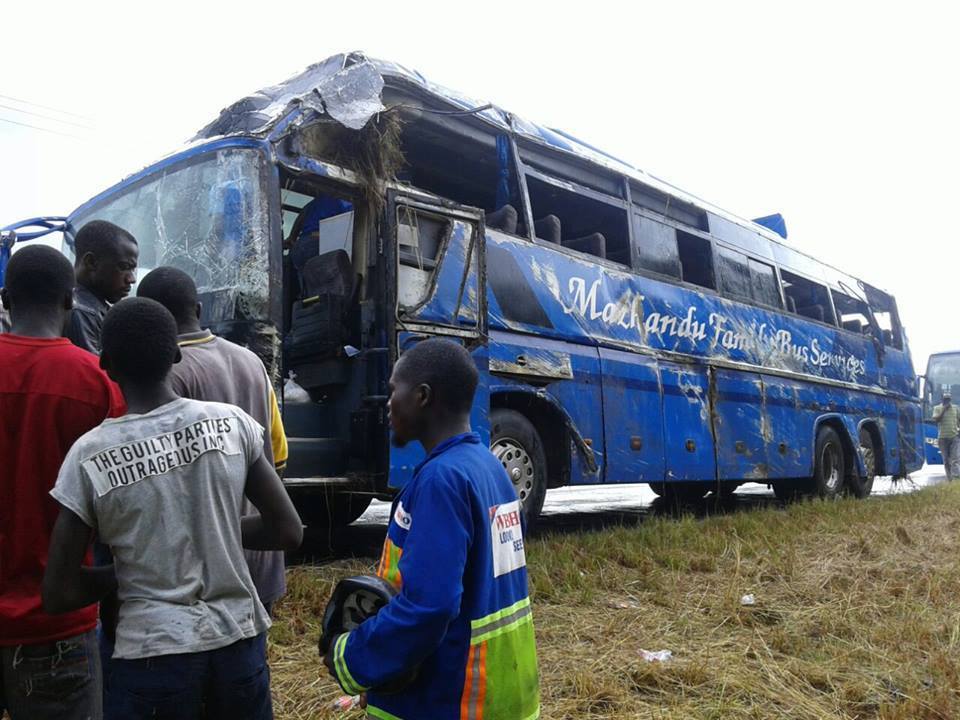
Between April and June 2026, Zambia recorded 11,074 road crashes, including 602 fatal crashes that killed 746 people. Another 1,701 people sustained serious injuries. These are separate measures: a fatal crash can kill several people, while the number of seriously injured people differs from the number of crashes involving serious injury. Behind each death is a family facing an absence that no official statement can repair.
These figures come from the Zambia Police statement reported on 25 July. They cover three months, not the whole year. This was the latest national quarterly release located for this article as of 6 October 2026; the original release and an independent RTSA confirmation were not accessible. It would be misleading to present these figures as a complete picture of 2026.
The Recommendations of the Safe System Consortium, 2026, convened by Johns Hopkins University, the FIA Foundation and the Institute of Transportation Engineers, offers a useful starting point. Its central lesson is that road design, vehicles, enforcement, land use and emergency care must work together. Its American funding programmes and proposed federal institutions are not a blueprint for Zambia.
A mistake should not become a death sentence
Safe System starts with two facts: people make mistakes, and the human body can withstand only limited force. Roads and transport services should therefore reduce dangerous encounters, prevent collisions where possible and limit injury when crashes occur. The report sets out these principles on page 1.
For Zambia, this means looking beyond the final action of a driver or pedestrian. A child may misjudge approaching traffic. The next questions should concern vehicle speed, the crossing location, visibility and whether the child had a protected route.
This does not excuse speeding, drink-driving or reckless overtaking. It adds responsibility for those who design roads, approve developments, manage vehicles and provide care.
An awareness talk cannot supply a missing footpath. A well-designed crossing still needs drivers who yield and enforcement that makes the rule credible.
Start where people walk and children cross
Police reported that 69 children under 16 died during April–June 2026 and 115 sustained serious injuries. Most child casualties were pedestrians or vehicle passengers. These figures justify treating school journeys as a practical safety priority.
The responsible road authority should lead school-route assessments, supported by councils, RTSA, police, education officials, parents and pupils. Work should begin by identifying where children actually walk and cross, measuring vehicle speeds and checking existing signs, drainage and visibility.
Protected walking space, suitable crossings and engineered speed reduction should follow site assessments and the necessary approvals. Major works require budgets and procurement; maintenance teams can address some defects through existing programmes.
Success should be judged through measured speeds, usable walking routes and injury trends. Counting signs installed or pupils attending talks is insufficient.
The same approach applies around markets and bus stops. A trader’s need to earn a living, or a passenger’s need to board an affordable service, must inform the design. Moving people away without providing workable access can simply move the danger elsewhere.
Make responsibility visible
Zambia already has institutions with relevant duties. The Ministry of Transport and Logistics coordinates transport policy and regulation. RTSA implements and coordinates road safety programmes. Police enforce traffic laws, investigate crashes and maintain traffic records. RDA manages road development and maintenance, while councils have responsibilities for specified roads within their jurisdictions.
The practical proposal is to make these responsibilities meet at each dangerous location. A joint assessment should identify the road owner, the defect, the required approval, the funding route and the official responsible for follow-through.
The Consortium recommends new American coordinating bodies on page 6. Zambia should first test whether existing institutions can deliver this work, with ministerial backing and public reporting, before establishing another agency.
Councillors and MPs can press for action and scrutinise budgets. Technical designs and procurement decisions must still pass through the responsible authorities. Political attention should help resolve a dangerous crossing, without bypassing the checks that make the remedy safe.
Fund safety beyond the opening ceremony
The report calls for dedicated, flexible safety funding and outcome-based assessment, particularly on pages 4–5 and 8. Zambia can apply those principles without copying American grants.
Every proposed road upgrade should show how it protects pedestrians, cyclists and passengers, including at junctions and settlements along freight corridors. Budgets should cover maintenance of crossings, markings, drainage and other safety features after construction.
There is a political temptation to favour projects whose opening is easy to photograph. Repairing a crossing or maintaining a footpath deserves the same public scrutiny as a new road.
Finance authorities and road agencies should require clear safety objectives, justified designs and maintenance responsibilities. Procurement documents should make those requirements enforceable. Residents should be able to see what was approved, what was delivered and who must fix defects.
Advanced technology and new assessment tools require trained staff, local testing and reliable operating budgets. Buying equipment before establishing how it will be maintained is a weak safety plan.
Hold operators accountable, and prepare to save lives
Bus, minibus and freight operators control decisions that passengers cannot: vehicle maintenance, schedules, driver supervision and whether a reported defect stops a journey. RTSA’s licensing and road safety functions provide an existing regulatory foundation.
Operators should keep auditable maintenance and incident records, address unsafe schedules and protect drivers who report defects. Regulators should check operating practice alongside paperwork. Stronger requirements may need legal review and consultation, but responsible fleet management need not await a new law. Public assessment should consider injuries and incidents alongside fleet size and distance travelled.
After a crash, survival also depends on care. A study published in 2025, based on assessments at selected Lusaka Province facilities in 2023, identified equipment, skills and ambulance-service gaps. It is local evidence requiring updated assessment, not proof of conditions at every Zambian hospital.
Health authorities should lead checks of response arrangements, referral routes and receiving-facility readiness, supported by police and emergency services. Staffing, equipment and ambulance improvements require funded plans. Progress should be measured through response and transfer times, alongside patient outcomes.
Police, RTSA and health services should also reconcile crash and injury records, using agreed definitions and privacy safeguards. Reliable data should guide action, rather than become an excuse to delay obvious repairs.
Residents must obey traffic rules, report hazards and demand safe services. Operators must manage risks within their control. Public authorities must publish responsibilities, fund credible remedies and maintain them. Zambia’s test is whether people can complete an ordinary journey with less risk of death or serious injury.
Sources
- Recommendations of the Safe System Consortium, 2026, attached report, printed pages 1–8.
- Zambia Police quarterly statement, reported by Zambia Monitor, 25 July 2026.
- Institutional mandates: Transport and Logistics Ministry, RTSA, Zambia Police, RDA and National Assembly proceedings, 8 April 2026.
- Machona and colleagues, Are we ready? Emergency unit capacity at selected district level hospitals in Lusaka Province, Zambia, 9 May 2025.