Zambia’s road-safety implementation partner

Practical road-safety work, informed by evidence.

The Zambia Road Safety Trust works with public institutions, schools, transport operators, researchers, businesses and communities to reduce road danger through programmes, research and policy support.

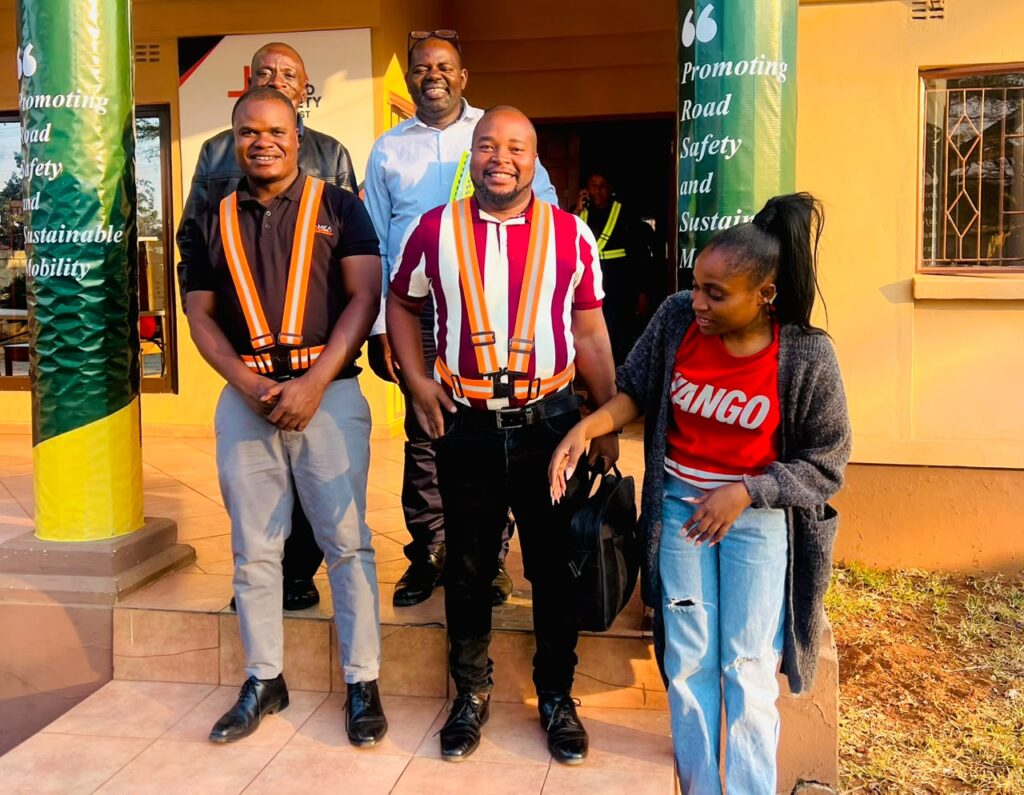
ZRST and partner representatives wearing reflective vests during a street-safety field visit in Lusaka
ZRST and partner representatives during a street-safety field visit in Lusaka.
About ZRST

A Zambian institution focused on preventing road deaths and serious injuries.

ZRST was launched in 2014 and registered in 2015. It provides local implementation, research and coordination capacity for road-safety work in Zambia. Its role includes assessing risk, supporting programme design, coordinating delivery and documenting results and lessons.

Read about ZRST →
Principal areas of work

Programmes organised around known road risks.

Detailed programme pages explain the activities, partner roles and evidence expected for each area.

Safe school zones

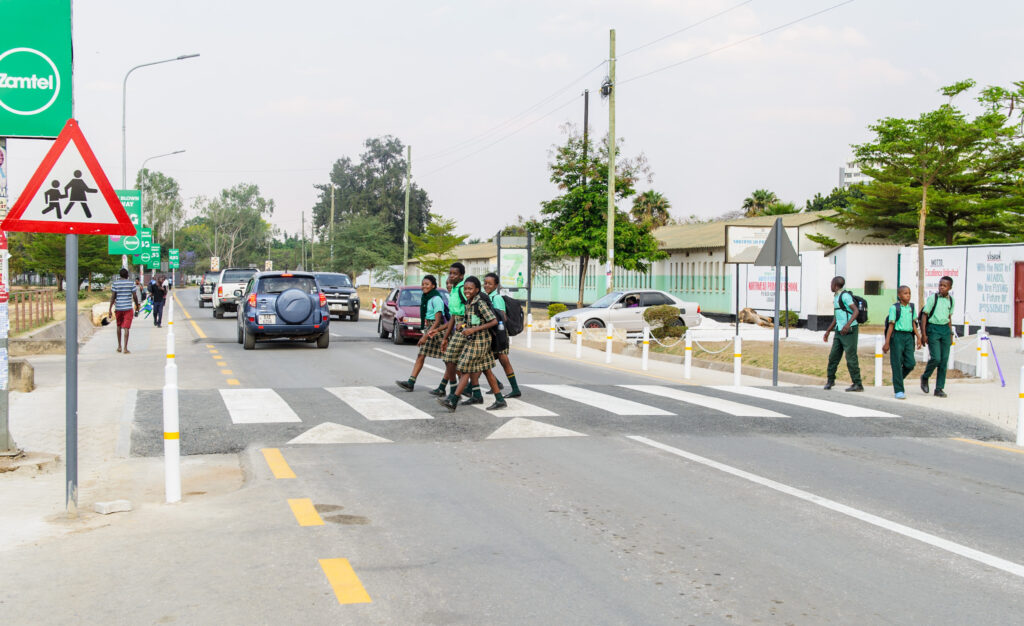
School-zone assessment, safer crossings, speed management, road treatments and education.

Child road safety →

Motorcycle and fleet safety

Rider training, visibility, fleet reviews, route risk, driver practice and management oversight.

Motorcycle safety →

Research, policy and post-crash response

Applied studies, policy briefs, institutional capacity and community readiness after crashes.

All programmes →
Zambia road-safety context

The recorded toll increased in 2025.

Zambia Police figures reported by ZRST. Police records do not estimate the full road-injury burden. View the data page →

2,567road deaths recorded in 2025
16.7%increase from 2024
243children under 16 killed
Institutional representatives holding a 30 kilometre per hour School Safety Zone sign
Institutional representatives with a 30 km/h School Safety Zone sign.
Selected programme evidence

Measured change across 15 Lusaka school zones.

TRANS-SAFE reported lower vehicle speeds, fewer unsafe crossings and improved pedestrian safety ratings following school-zone interventions.

>30%reduction in vehicle speeds
20%reduction in unsafe crossing behaviour
15/15at least a 3-star iRAP pedestrian rating

These are measured results from the assessed sites and should not be read as national outcomes.

Review the research and evidence →
Research and policy

Evidence for planning, implementation and public debate.

ZRST contributes to applied studies, international research programmes and policy analysis on road safety and mobility.

Research & Data Hub
Policy brief

Addressing sexual harassment in public transport in Zambia

View brief →
Success story

TRANS-SAFE walkability research put Lusaka’s pedestrians on the map

Read story →
Partnership and accountability

Clear responsibilities, reviewable evidence and appropriate oversight.

ZRST works with government agencies, councils, universities, schools, transport operators, development partners, businesses and communities. Collaboration begins with a defined road-safety problem and an agreed scope of work.

Defined rolesResponsibilities and intended outputs are agreed.
Evidence limitsActivities and outcomes are reported separately.
Financial oversightGovernance and audited accounts are available for review.
LearningMethods and limitations inform future work.
ZRST with Institutional stakeholders
ZRST with Institutional partners from the EU-Horizon project and the Swedish Ambassador to Zambia.
Latest updates

Current work

All project updates →

Holiday road-crash analysis

ZRST’s review of road deaths recorded during the Heroes and Unity holiday period.

Read the latest statement →

Safer Journeys to School expands

The 2026 phase expands from five to 15 Lusaka schools; more than 24,000 learners are expected to be reached.

Read the programme update →

Passenger evidence informs policy

Research and policy work examining safety, inclusion and harassment in public transport.

Read the success story →
Work with ZRST

Discuss a road-safety programme, study or institutional partnership.

Contact ZRST with the location, road-safety problem, affected road users and type of support required.

Contact ZRST
Road-safety practitioners recording observations during a pedestrian environment assessment in Lusaka
Practitioners recording observations during a pedestrian-environment assessment in Lusaka.