Pedestrian and Cycling Safety
Safer streets for people walking and cycling in Zambia
Walking and cycling connect people to schools, employment, markets, public transport, health services and community life. ZRST works with donors, companies, councils, government agencies, schools and communities on practical education, safer crossings, lower speeds, corridor assessments, route planning, traffic calming, research and accountable local delivery.
The case for investment
Walking carries much of the mobility demand and much of the risk
Pedestrian and cyclist exposure increases where roads carry fast traffic but lack protected space, safe crossings, lighting and predictable public transport access. Zambia’s available data also show a need for better separation of pedestrian, cyclist and other road-user casualties so that investment can be targeted more accurately.
The figures come from different reporting periods and should not be treated as one trend series. Current public reporting does not always provide a complete cyclist-specific breakdown, which limits detailed national analysis.
Understanding the risk
Unsafe behaviour is often shaped by unsafe conditions
People may cross at an unmarked location because the nearest formal crossing is distant or unusable. They may walk in the road because a footway is missing, obstructed or flooded. Cyclists may mix with fast traffic because there is no connected cycling facility.
High operating speeds
Fast traffic reduces driver reaction time and increases the severity of impact when a collision occurs.
Missing pedestrian space
Absent, damaged or obstructed footways can force people into the traffic lane or unsafe roadside areas.
Unsafe crossings and junctions
Long crossing distances, weak markings and vehicle-focused junctions create repeated conflict.
Fragmented cycling conditions
Isolated facilities and unsafe intersections leave cyclists exposed where protection ends.
Evidence of delivery
Selected ZRST pedestrian and cycling safety experience
Lusaka walking and cycling policy support
ZRST reports that it supported Lusaka City Council through technical development, stakeholder engagement and institutional work connected to the city’s cycling and pedestrian safety policy. This was a joint public-policy process, not a ZRST-only achievement.
UNDP and UN Road Safety Fund school-zone work
UNDP confirms that ZRST participated in school improvements at Kabanana Primary School, Kalingalinga Basic School, Lusakakasa Primary School and Jacaranda Combined School in Lusaka. The programme connected speed reduction, infrastructure and safer journeys for learners.
GDCI Streets for Kids programme
Global Designing Cities Initiative confirms that ZRST worked with Lusaka City Council on permanent street improvements near schools. Reported measures included pedestrian crossings, traffic calming, signs, markings and new public space.
TRANS-SAFE walkability and research work
ZRST is a TRANS-SAFE consortium partner. Its Lusaka activity has included participatory walkability assessment, local engagement and analysis of conditions affecting people walking.
Corridor, junction and NMT assessment
ZRST has worked with technical and research partners on corridor inspection, route assessment, mapping and non-motorised transport planning. Specific outputs depend on the scope of each assignment and the available evidence.
Car Free Day and public engagement
ZRST has used Car Free Day activities to demonstrate people-focused street use and engage communities and institutions. These events support public discussion but should not be presented as substitutes for permanent infrastructure.
External confirmation
Independent evidence and partner confirmation
- Official donor and programme evidence: UNDP Zambia — Improving road safety by reducing speeding around schools in Lusaka
- Independent technical-partner confirmation: Global Designing Cities Initiative — Lusaka Streets for Kids improvements
- Research-consortium evidence: TRANS-SAFE — Zambia Road Safety Trust listed as a project partner
- Local research evidence: Lusaka Walkability Safety Assessment
- Official RTSA statistics: RTSA 2022 Road Transport and Safety Status Report
- ZRST organisational record: ZRST pedestrian and cycling safety evidence and programme information
Programme approach
Infrastructure, speed, education, institutions and evidence
Safer infrastructure
Crossings, footways, cycling facilities, signs, markings, lighting and junction treatments, subject to approval.
Speed management
Support for safer speed environments around schools, markets, settlements and other high-pedestrian areas.
Education and engagement
Practical work with learners, parents, drivers, communities, employers and public institutions.
Policy and capacity
Stakeholder coordination, technical input and support for local road safety planning and implementation.
Data and monitoring
Speed surveys, route-risk reviews, observations, mapping, site evidence and follow-up.
Who ZRST works with
Partnerships shaped around responsibility and exposure
Schools and learners
School-route assessment, crossing education, school-zone improvements and local safety planning.
Local authorities
Site prioritisation, public consultation, policy support, technical coordination and implementation monitoring.
Government agencies
Speed management, enforcement engagement, road safety data and coordination around public-road responsibilities.
Donors and foundations
Funded programmes with defined sites, outputs, safeguards, evidence requirements and reporting arrangements.
Companies and insurers
Employee commuting safety, fleet interaction, community risk and support for nearby roads and schools.
Research partners
Local data collection, walkability studies, mapping, demonstration work and stakeholder engagement.
Fund or commission a programme
Practical pedestrian and cycling safety offers
Safe School Routes
Route mapping, site assessment, speed observations, school engagement, approved crossings and follow-up.
Pedestrian crossing improvement
Crossing-demand assessment, concept recommendations, authority engagement, markings and signs where approved.
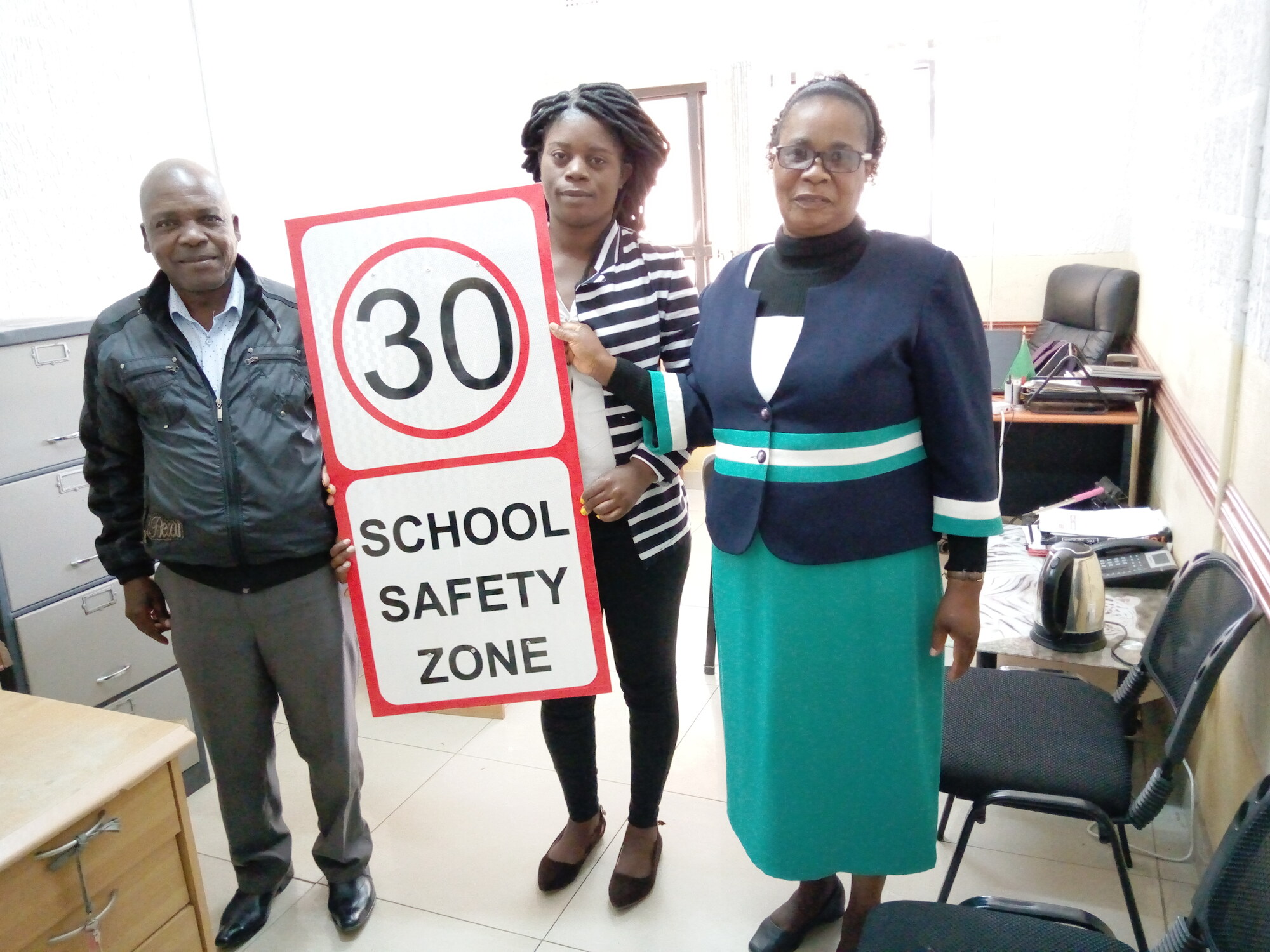
30 km/h safety zones
Speed surveys, treatment planning, education, enforcement coordination and monitoring around high-pedestrian locations.
Walking and cycling corridor assessment
User counts, route-risk mapping, junction review, consultation and prioritised recommendations.
Community pedestrian education
Practical sessions, crossing demonstrations, local-risk information and engagement with drivers and riders.
Cyclist safety and visibility
Route-risk education, visibility practice, employer or community sessions and materials where justified.
Employer commuter safety
Employee travel-risk review, fleet-pedestrian interaction, access assessment and workplace action planning.
Market and public transport access
Pedestrian-flow assessment, crossing risk, stop-access review and recommendations for responsible authorities.
Data, mapping and evaluation
Baseline records, counts, speed data, site photographs, consultation evidence and follow-up reporting.
Corporate relevance
Why walking and cycling safety matters to companies
Companies influence road risk through fleet movement, staff travel, delivery operations, site access and activity around neighbouring communities. Pedestrian and cycling safety is therefore relevant to occupational safety, community relations, insurance exposure and responsible business practice.
Assess risks faced by staff walking, cycling or accessing public transport.
Address speed, reversing, turning and pedestrian conflict involving company vehicles.
Review movement around mines, factories, depots, shops, banks and offices.
Support assessed road safety needs around schools, markets and settlements.
Connect public commitments to defined outputs and documented implementation.
Use route risk, driver controls and safer access planning before a serious event occurs.
Corporate funding should be linked to an assessed problem, responsible road authority, approved measures, clear outputs and transparent reporting. Branding should remain secondary to the safety purpose.
A Safe System position
Awareness alone is not sufficient
One-off talks do not remove high speeds, missing footways or unsafe junctions. Reflective materials may improve visibility but cannot replace protected walking space, safe crossings or responsible road management.
Children should not carry the burden for roads designed without their safety in mind. Companies cannot train drivers while ignoring fleet speed, route risk or unsafe site access. Education must support engineering, enforcement, vehicle controls and institutional action—not substitute for them.
Monitoring and accountability
Evidence proportionate to the programme
Baseline evidence
Site conditions, user counts where appropriate, speed data, crossing behaviour, photographs, route risks and consultation records.
Delivery records
Approved work plans, authority engagement, participant records, completed activities, procurement documentation and financial reporting.
Follow-up
Post-delivery site inspection, repeat observations, school or community feedback, maintenance issues and corrective action.
Evidence limits
Participant numbers are outputs. Completed infrastructure does not by itself prove casualty reduction. Behaviour and casualty outcomes require stronger and longer evaluation.
Programme gallery
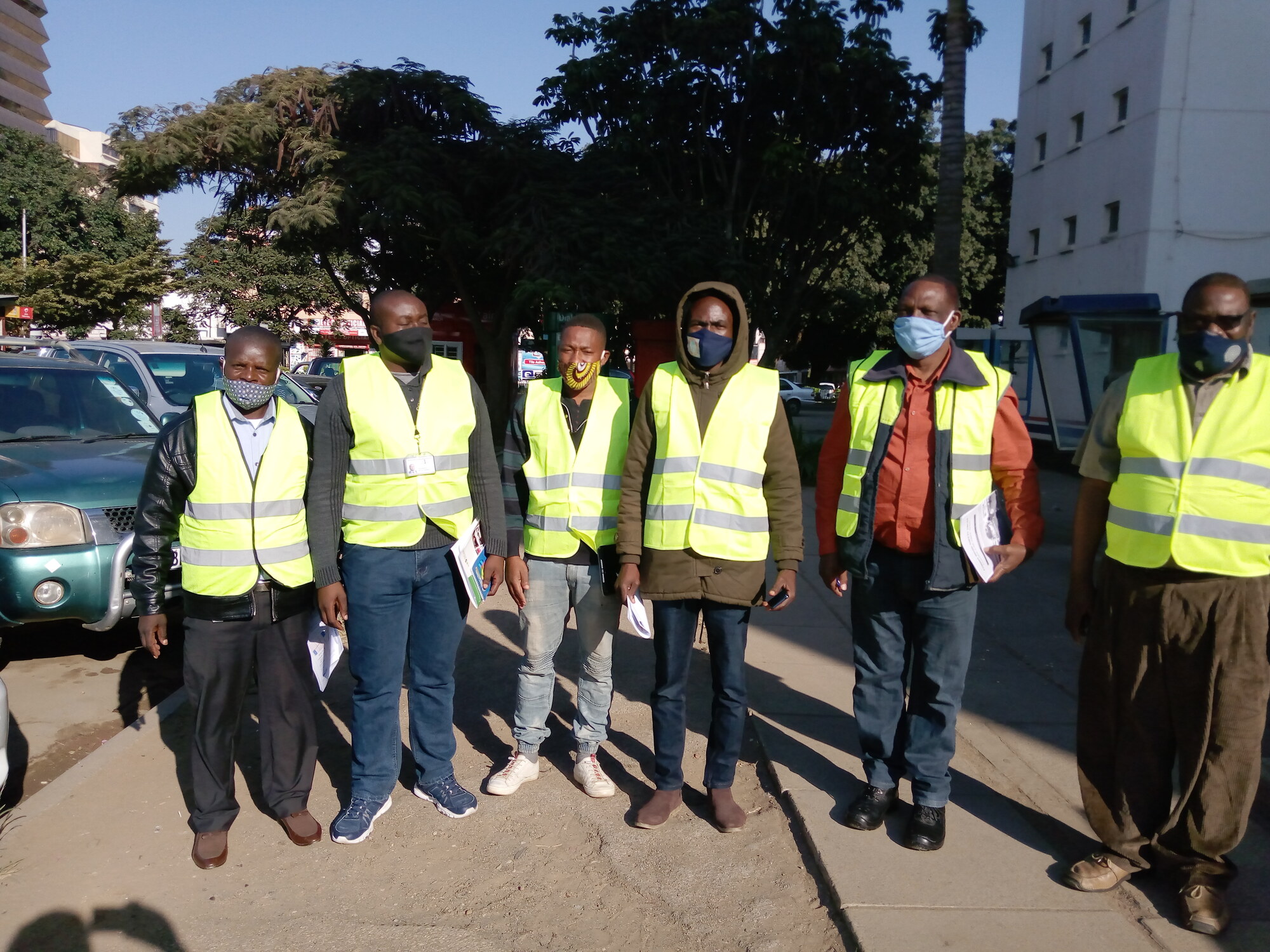
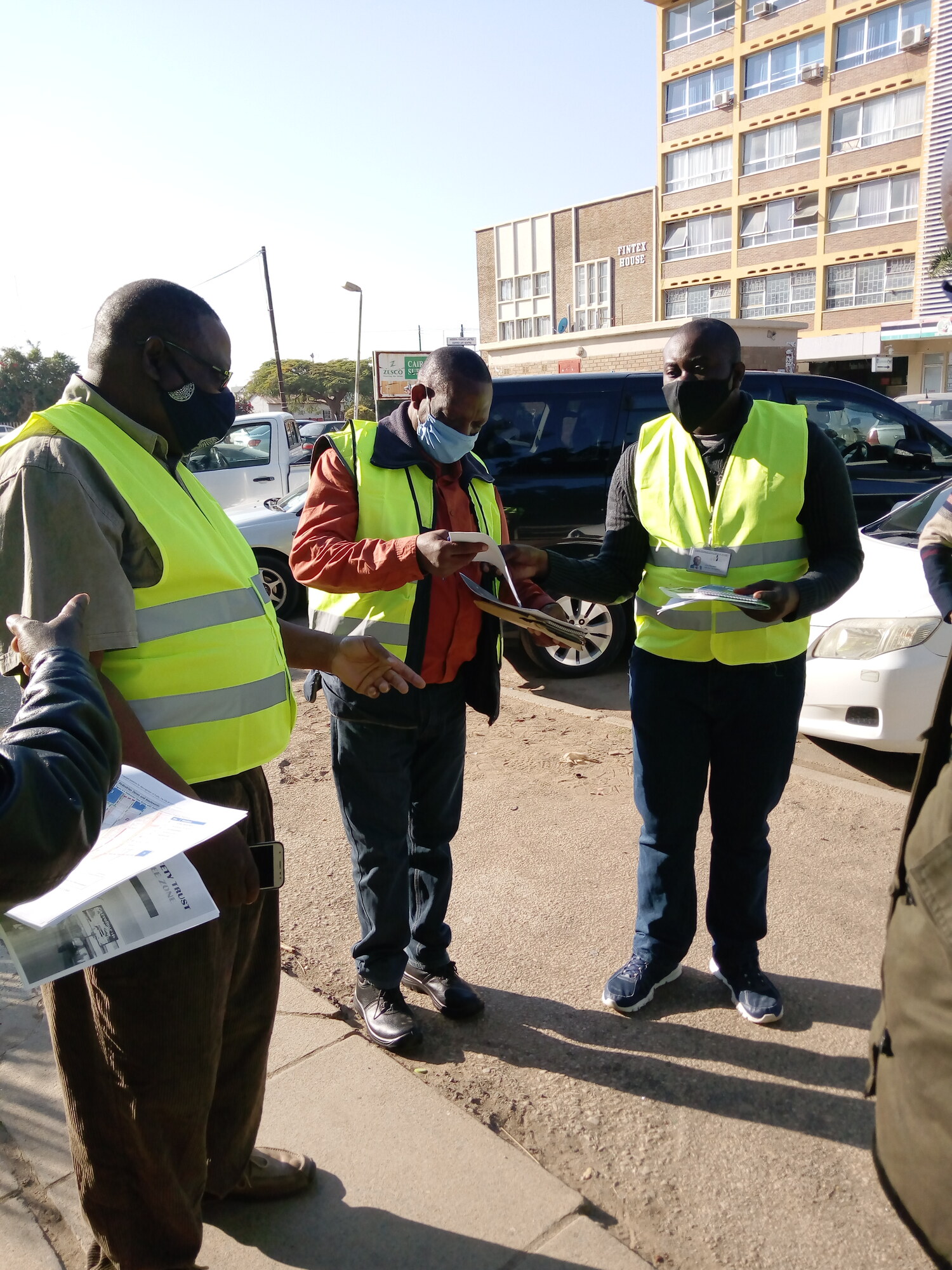
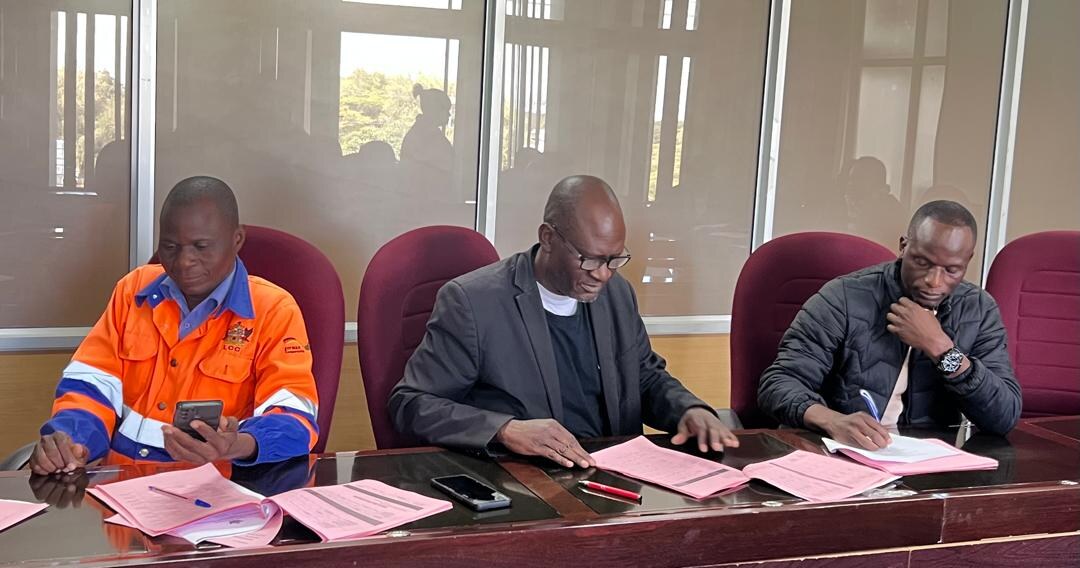
Pedestrian and cycling safety in practice
Partnership and due diligence
Work with ZRST
ZRST can work as a grant recipient, local implementation partner, consortium member, technical and stakeholder-engagement partner, community consultation partner, training provider or local monitoring and evidence partner.
Relevant institutional material may be shared during a serious discussion, including:
- registration and governance information;
- audited financial statements;
- project and technical reports;
- partner references;
- approved work plans and budgets;
- safeguarding and data-protection policies;
- monitoring evidence; and
- bank and compliance documentation.
Fund safer walking and cycling through lower speeds, protected movement, responsible road management and accountable local delivery.