Who ZRST is

About Zambia Road Safety Trust

A Zambian road-safety organisation working to reduce road deaths and serious injuries through practical action, evidence and partnerships.

Zambia Road Safety Trust, ZRST, is a registered Zambian non-governmental organisation and public trust based in Lusaka. It was founded in 2014 and registered in 2015 to support practical road-safety action in Zambia.

ZRST helps turn road-safety problems into organised action by supporting local evidence, stakeholder engagement, programme design, training, public awareness, field implementation and responsible reporting.

ZRST representatives following a stakeholder engagement meeting in Lusaka, January 2026.
Legal name Zambia Road Safety Trust
Acronym ZRST
Registration RNGO 101/0503/2015
Base Lusaka, Zambia

Why ZRST exists

Road safety is a public health, development and accountability issue.

Road deaths and serious injuries affect families, schools, workers, businesses, public services and national development. Children walking to school, pedestrians, cyclists, motorcyclists, public transport users and people travelling for work face daily road risk.

Safer roads require more than public awareness. They require credible data, coordinated institutions, safer infrastructure, speed management, training, enforcement support, community participation and public accountability.

What ZRST does

Practical road-safety work across priority risk areas.

ZRST works across connected areas of road safety. Detailed programme evidence is kept on dedicated pages so this About page remains a clear institutional introduction.

Safe School Zones

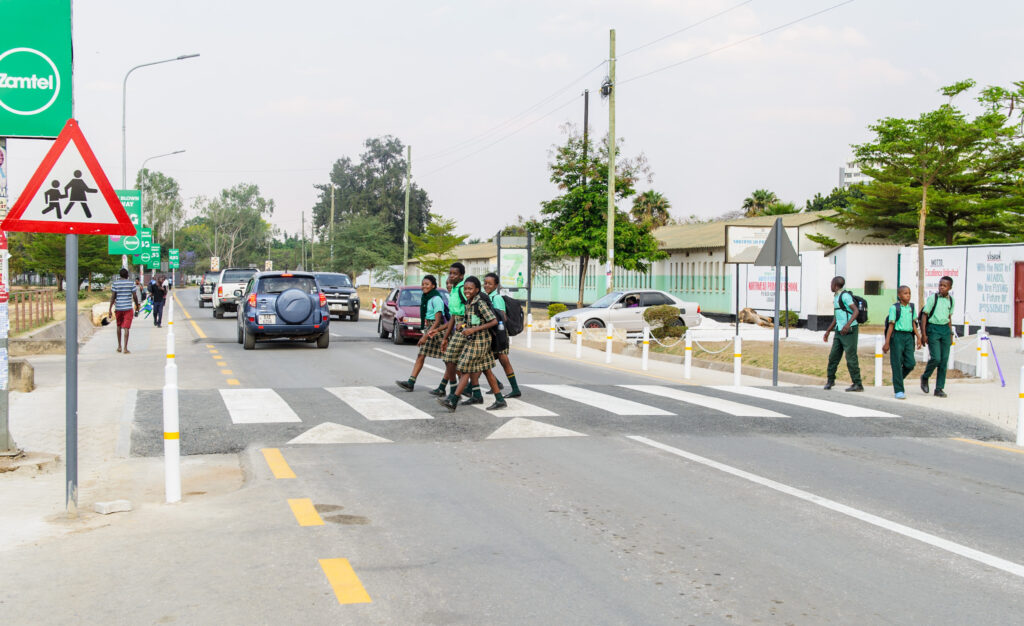
Supporting safer journeys to school through school engagement, safer crossings, speed management, visibility, education and implementation support.

Pedestrian and Cycling Safety

Supporting safer conditions for people walking and cycling, including route risk, crossings, public transport interface and local street-safety evidence.

Motorcycle Safety

Supporting safer riding through training, visibility, helmet use, employer responsibility, delivery-rider safety and fair enforcement discussion.

Fleet and Driver Safety

Helping companies and fleet operators review route risk, driver behaviour, safety systems and staff road-safety practices.

Research, Data and Policy

Using public statistics, surveys, field evidence and policy analysis to support planning, advocacy, learning and accountability.

Training and Institutional Support

Providing training, road-safety talks, site assessments, school-zone support and practical services for institutions and partners.

How ZRST works

From road-safety concern to practical support.

ZRST starts with a road-safety problem, location or affected group. The organisation then helps define the issue, identify the relevant stakeholders, support practical measures, document the work and communicate evidence responsibly.

Where road infrastructure is involved, ZRST does not replace statutory authorities. Its role is to support coordination, advocacy, implementation follow-through, education, reporting and partner confidence.

Institutional discipline: ZRST aims to distinguish activities, outputs, site-level results and wider public claims so that partners can understand what was done, what was measured and what still requires further action.

Who ZRST works with

Road safety requires public, private and community action.

ZRST works with institutions and partners that need local road-safety coordination, field evidence, stakeholder engagement, training, implementation support or responsible reporting.

The organisation is most useful where a partner has a real road-safety problem, a defined location or user group, and a need for practical support rather than general awareness alone.

Government institutions Councils Schools and universities Donors and foundations Companies and insurers Fleet operators Technical partners Communities

What makes ZRST useful

Local knowledge connected to evidence, policy and field delivery.

Zambia-specific road-safety knowledge

ZRST works within Zambia’s local road conditions, institutional environment, school contexts, road-user behaviour and implementation constraints.

Evidence and field connection

ZRST links road-safety data, local observation, stakeholder engagement and practical field support.

Partnership experience

ZRST has experience working with schools, councils, public institutions, companies, donors and international technical partners.

Practical implementation focus

ZRST is strongest where road-safety work must move from concern or policy discussion into a visible activity, site record or delivery plan.

Responsible communication

ZRST aims to credit partners properly, describe its role clearly and avoid inflated claims.

Institutional accountability

ZRST maintains governance, policy, audit, tax registration, programme and reporting information on dedicated pages for deeper review.

Contact

Speak to ZRST about a road-safety problem or partnership enquiry.

Contact ZRST with the location, affected road users, road-safety concern, type of support required and any funding or institutional context.