Road safety programme · Walking and cycling
Safer streets for people walking and cycling in Zambia
Walking and cycling connect people to schools, jobs, markets, public transport and health services. ZRST works with public authorities, donors, companies, schools and communities to reduce the risks created by high speeds, missing footways, unsafe crossings and weak provision for cyclists.
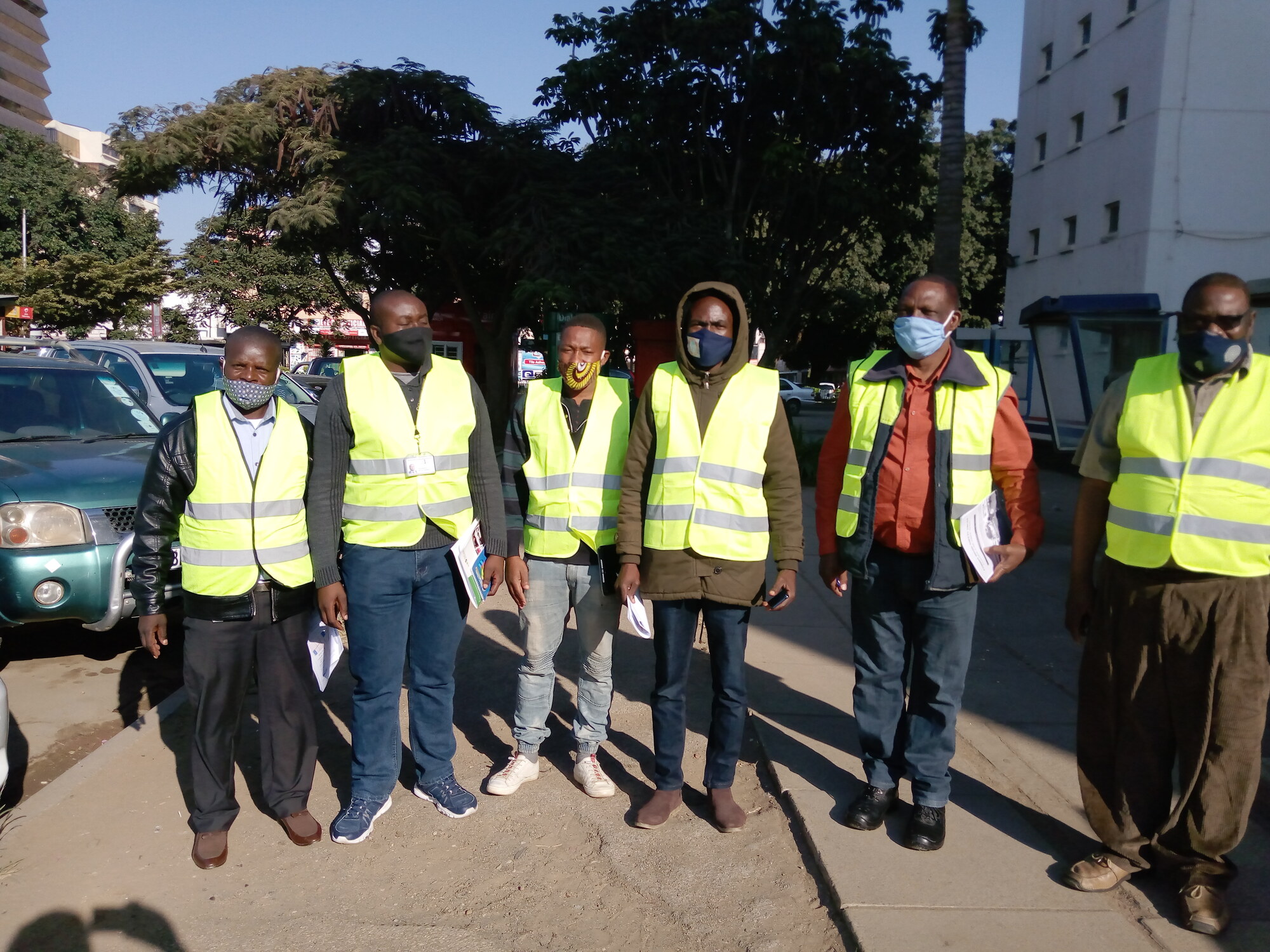
People should not have to choose between mobility and safety
Education can help people recognise risk, but it cannot compensate for roads that lack safe walking space, usable crossings, drainage, lighting or connected cycling provision. A person may walk in the carriageway because the footway is absent or obstructed. A cyclist may mix with fast traffic because protection ends at the point of greatest danger.
The case for investment
Selected work of ZRST
Safe school infrastructure
ZRST implemented school improvements supported by UNDP and the UN Road Safety Fund at Kabanana, Kalingalinga, Lusakakasa and Jacaranda schools in Lusaka. Measures included raised crossings, footpaths, rumble strips, bollards and signs.
Streets for Kids
With Lusaka City Council and GDCI support, ZRST worked on permanent street improvements around two schools. GDCI reports new pedestrian space, traffic calming, crossings and road markings.
Walkability research
As a TRANS-SAFE consortium partner, ZRST has supported participatory walkability work, field observations, community engagement and analysis of conditions affecting people walking in Lusaka.
Walking and cycling policy
ZRST supported Lusaka City Council through technical work and stakeholder engagement connected to the city’s cycling and pedestrian safety policy. This was a joint public process, not a ZRST-only result.
Corridor and junction assessment
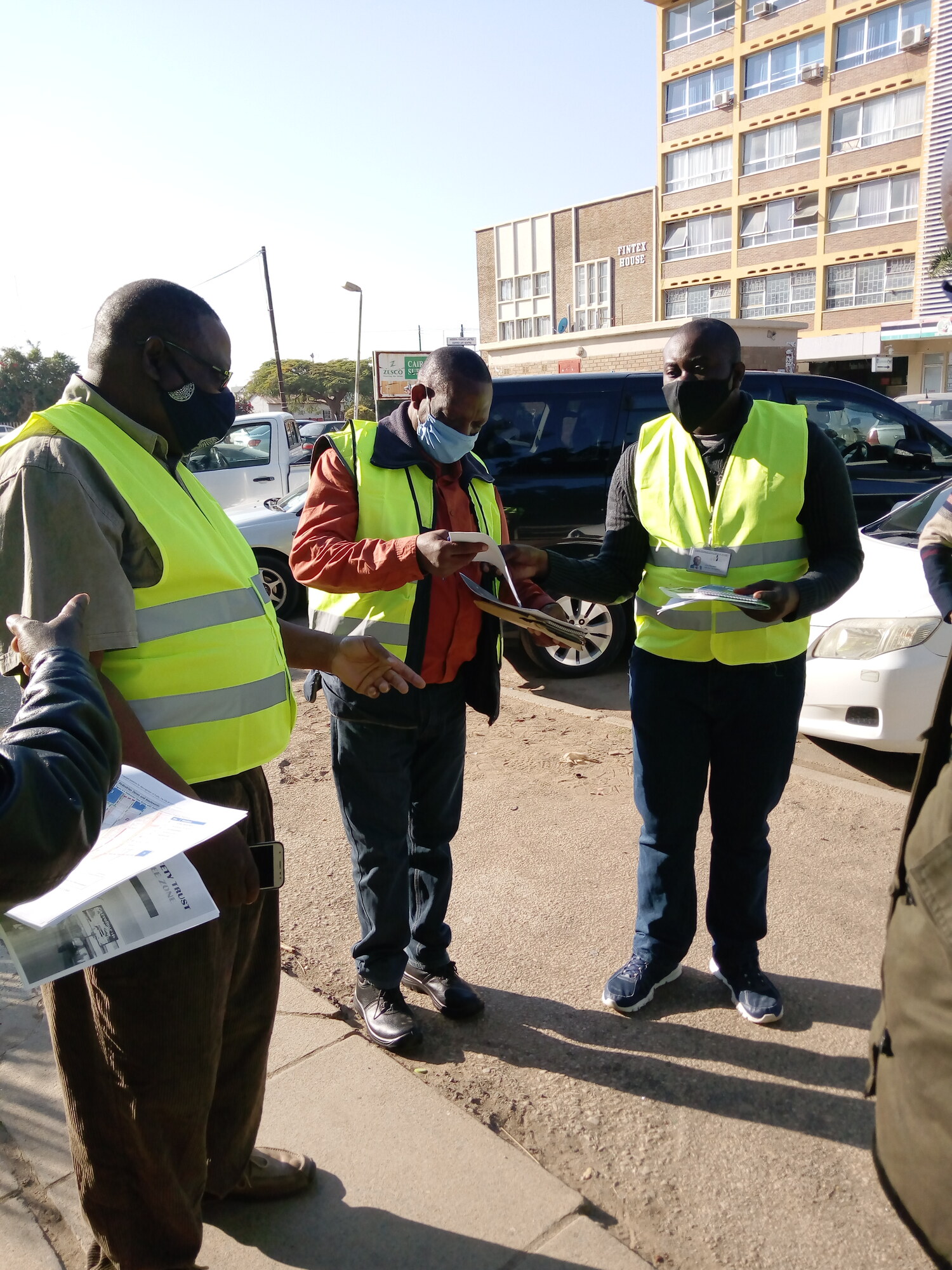
ZRST has worked with technical partners on route inspection, junction review, mapping and prioritisation of non-motorised transport needs.
Car-free public engagement
Car Free Day and related street activities have helped demonstrate people-focused street use. These events support public discussion but do not replace permanent infrastructure.
What ZRST can deliver with a funding or technical partner
Safe school routes
Route mapping, speed observations, school engagement, site assessment, approved crossings and follow-up.
Crossing improvement
Crossing-demand assessment, concept recommendations, authority engagement, signs and markings where approved.
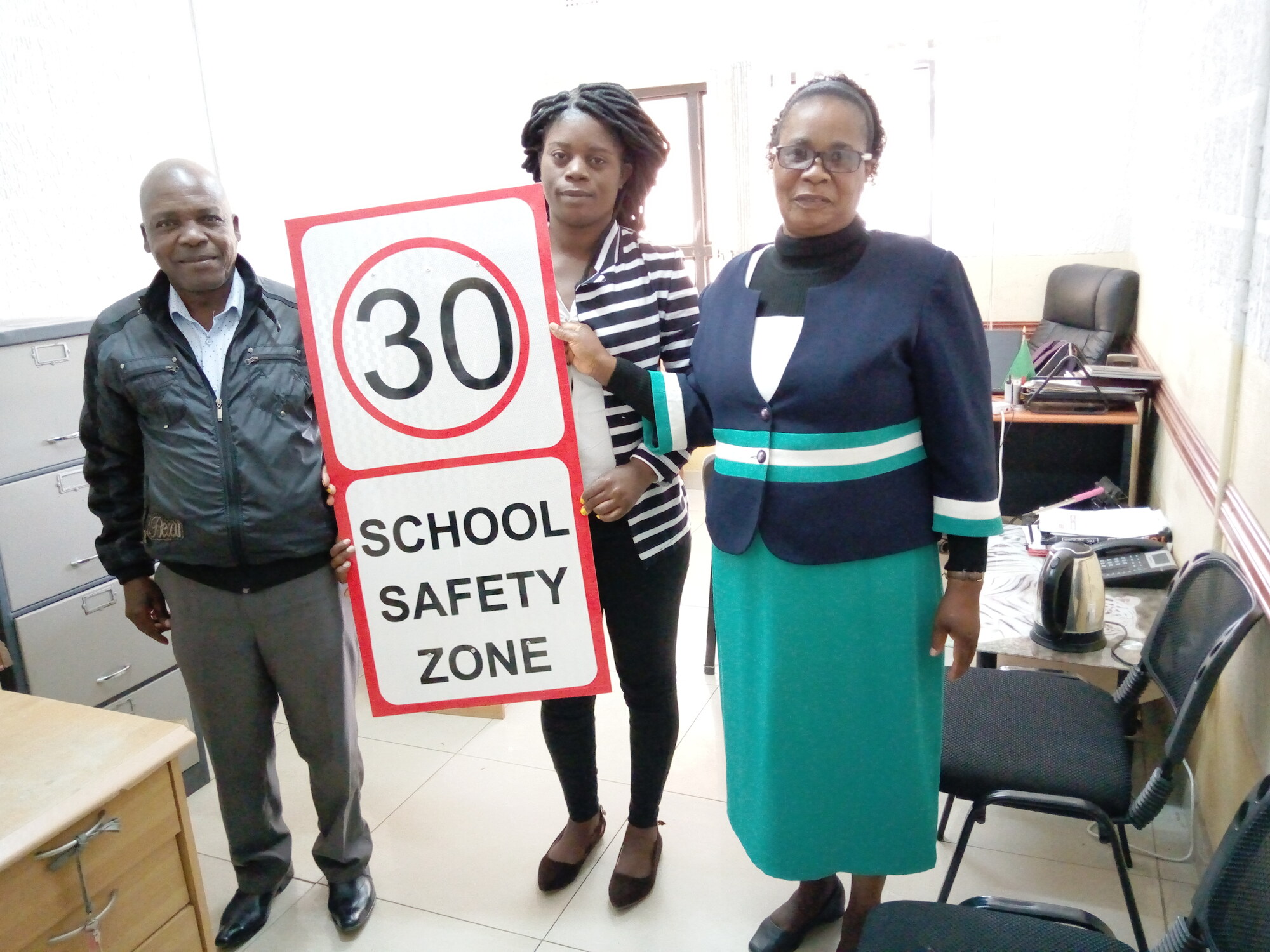
30 km/h safety zones
Baseline speed checks, treatment planning, education, enforcement coordination and monitoring.
Walking and cycling corridors
User counts, route-risk mapping, junction review, community input and prioritised recommendations.
Employer commuter safety
Staff travel-risk review, site-access assessment and fleet interaction with pedestrians, cyclists and public transport users.
Data and evaluation
Baseline records, field photographs, speed data, observations, consultation evidence and post-delivery checks.
Accountability before publicity
A credible programme begins with an assessed problem, a responsible road authority and a realistic approval route. It should specify what the funding will buy, who will maintain the work and how results will be checked. Corporate branding should remain secondary to the safety purpose.
- Baseline: site conditions, speeds, user movements, crossing behaviour and route risks.
- Delivery: approved work plan, procurement record, authority engagement and photographic evidence.
- Follow-up: repeat inspection, community or school feedback, maintenance issues and corrective action.
- Evidence limits: participant numbers are outputs; completed infrastructure alone does not prove casualty reduction.
Partner links
Fund or commission practical pedestrian and cycling safety work
ZRST can serve as a local implementation partner, grant recipient, technical and stakeholder-engagement partner, research partner, training provider or monitoring partner. A serious discussion can be supported by registration records, audited accounts, project reports, partner references, safeguarding material and costed work plans.