Child Road Safety Education

Road Safety Education

Road safety education that supports safer systems

The Zambia Road Safety Trust delivers practical road safety education for learners, teachers, school traffic wardens, motorcycle riders, drivers, fleet staff, communities and public institutions. Education is most useful when it is linked to lower speeds, safe crossings, road design, enforcement, protective equipment, employer controls and monitoring.

Why investment is needed

Road safety education in Zambia must respond to real exposure

Road crashes affect families, schools, health services, employers and the wider economy. Children walking to school, pedestrians using roads without protected space, motorcycle riders and workers travelling for their jobs need practical knowledge, but they also need safer conditions in which to apply it.

2,100+ Lives are estimated to be lost on Zambia’s roads each year in the national road safety investment case.
ZMW 16.7 billion Estimated annual economic cost of road crashes in Zambia.
4.7% Estimated share of national GDP represented by the annual economic burden.
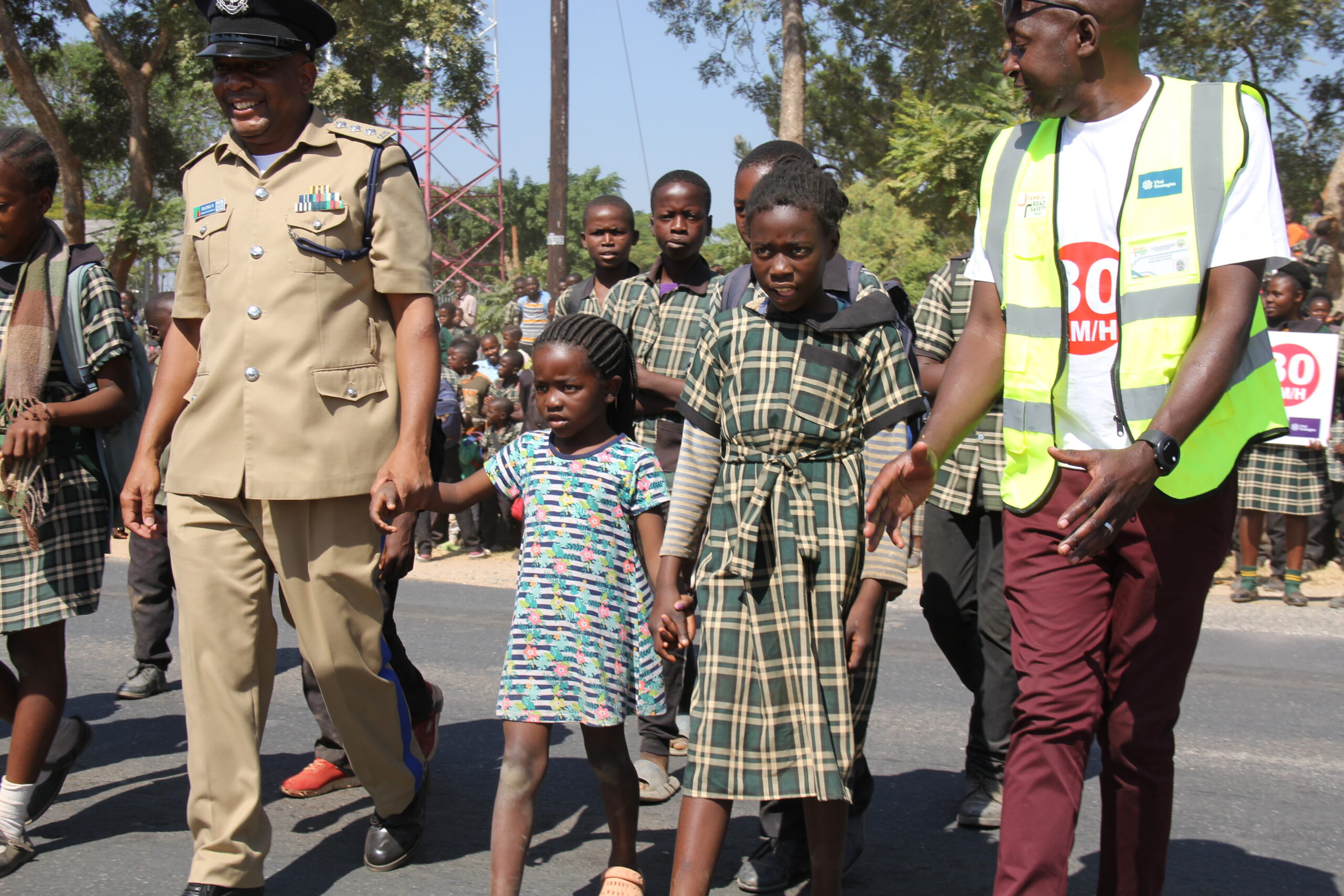
30 km/h The speed environment ZRST supports around schools and other places with high pedestrian activity.

ZRST education approach

Practical learning tied to responsibility and place

Practical learning

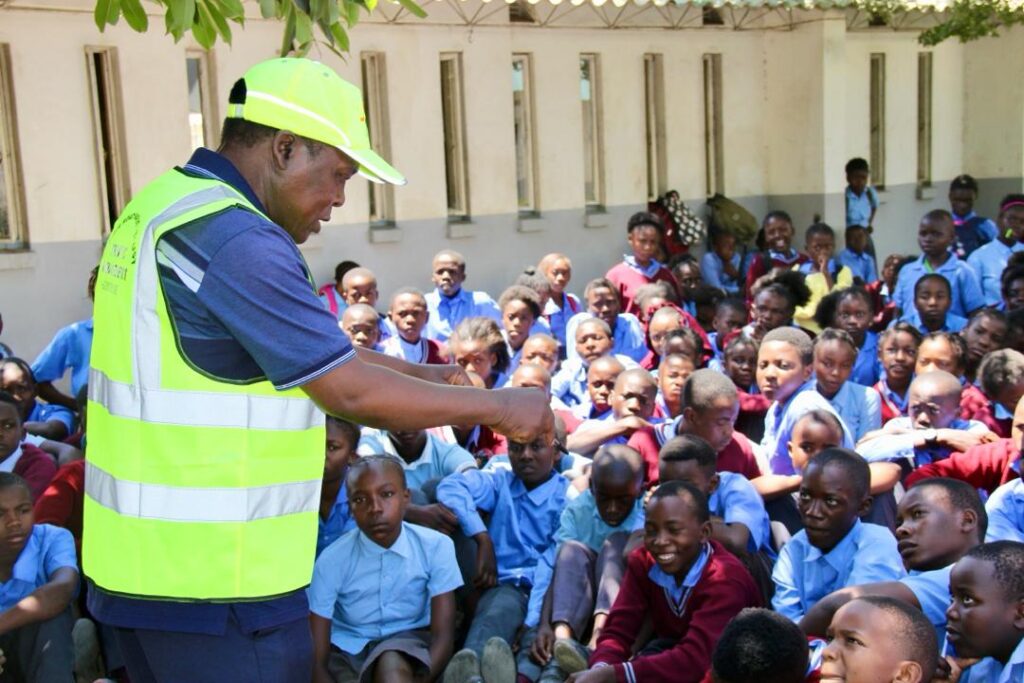
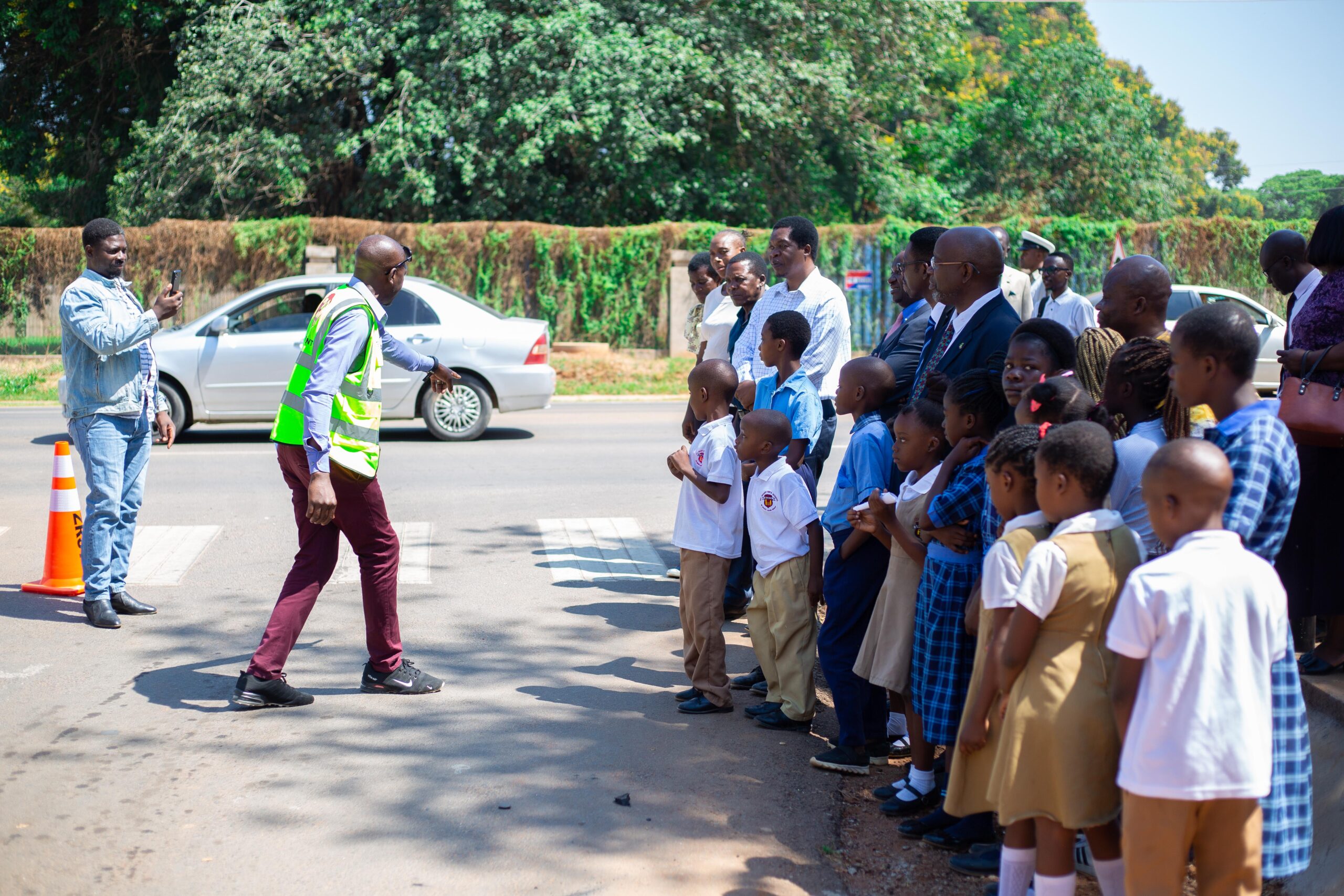
Sessions use crossing drills, demonstrations, route-risk discussion, observation and examples drawn from the participant’s daily travel or work.

Education linked to the road environment

School education can be connected to approved crossings, signs, road markings, visibility measures and traffic-calming work.

Training people with responsibility

ZRST works with teachers, wardens, employers, riders, drivers, fleet staff, councils and public institutions, not only individual road users.

Follow-up and evidence

Programmes may use attendance records, knowledge checks, practical observation, participant feedback, site records and follow-up visits.

Who ZRST works with

Education designed around the road user and their role

School learners

Age-appropriate crossing, visibility, hazard awareness and safer journey-to-school activities.

Teachers and school managers

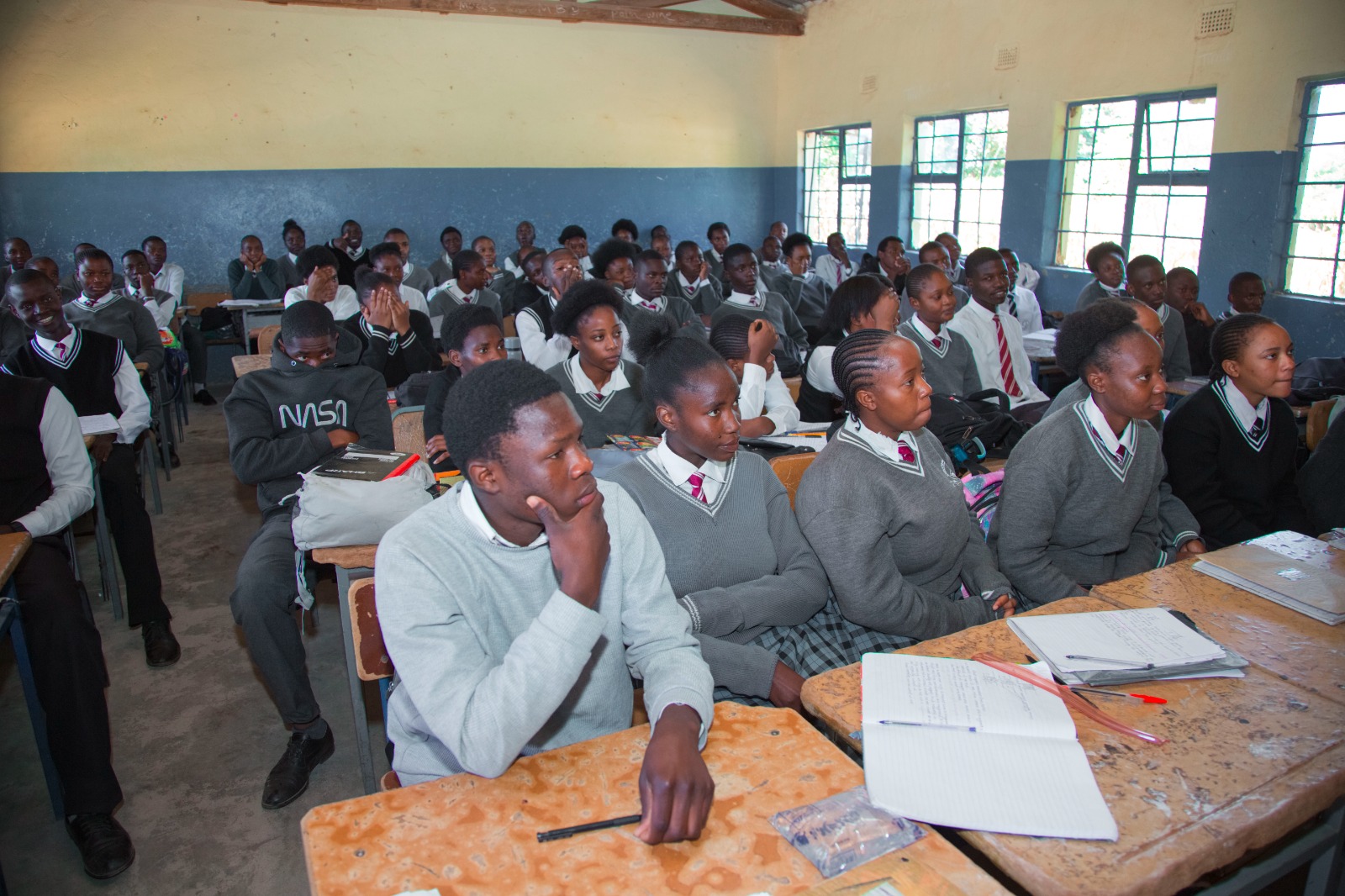
Support for school safety planning, learner supervision, clubs and reporting of road risks.

School traffic wardens

Practical instruction on crossing supervision, visibility, positioning, communication and personal safety.

Motorcycle and delivery riders

Helmet use, observation, braking, road position, speed, fatigue, visibility and employer expectations.

Drivers and fleet staff

Defensive driving, speed choice, journey risk, incident reporting and responsibility around pedestrians.

Employers and transport operators

Driver and rider standards, induction, supervision, route risk and review of incidents and near misses.

Government and local authorities

Training and stakeholder engagement linked to speed management, school zones and local road safety duties.

Parents and communities

Local risk identification, school-route support, public engagement and protection of people walking.

Evidence of delivery

Selected ZRST road safety education experience

UNDP and UN Road Safety Fund school work

ZRST supported school-zone interventions in Lusaka that combined infrastructure measures with school and traffic-w arden engagement. UNDP reported that the work aimed to reduce speeding and separate learners from traffic around selected schools.

VIA school road safety programme

With support connected to the TotalEnergies Foundation VIA programme, ZRST has delivered road safety learning activities for participating schools, including practical messages for children travelling on foot.

Puma-supported school activities

ZRST has worked with Puma Energy on school road safety activities combining learner engagement with visible school-zone measures at selected schools.

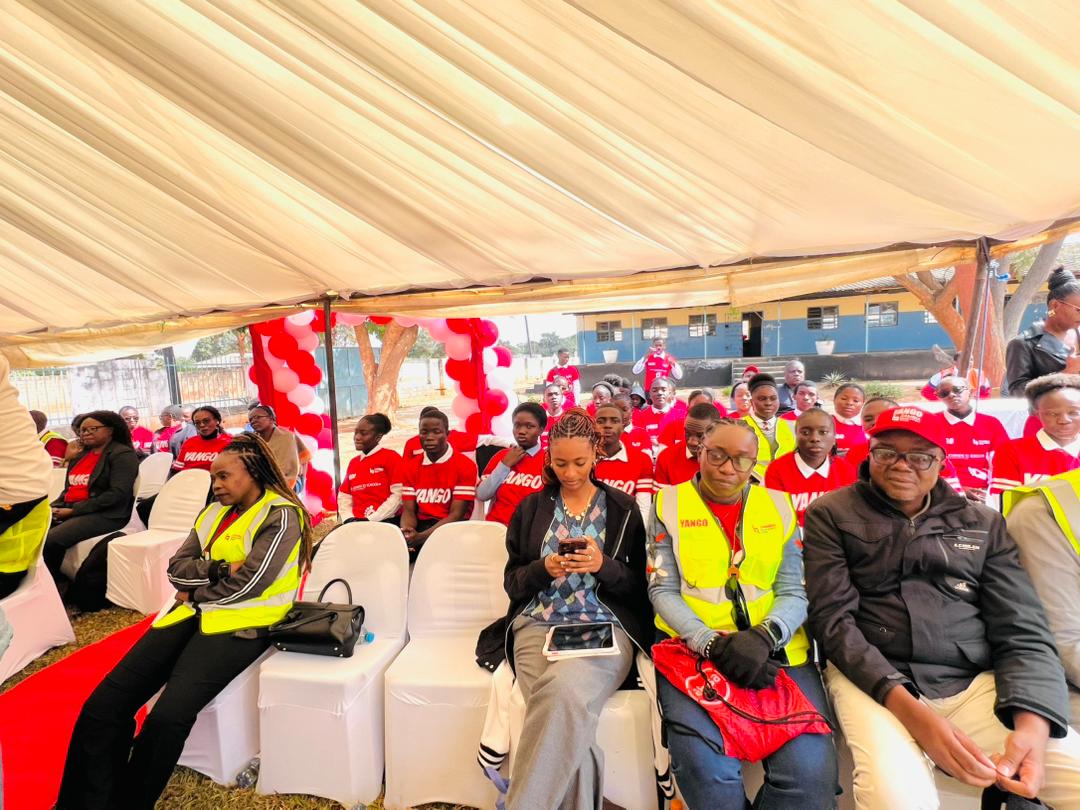
Yango–ZRST Safe School Zones

The 2025 project covered five Lusaka schools and combined infrastructure, learner education and school-based safety structures. Reported results should be read within the limits of the project’s baseline and endline design.

Motorcycle rider training

ZRST delivered motorcycle rider safety training for Zambia Breweries riders, addressing protective equipment, observation, road position and defensive riding.

Research and professional learning

Through AfroSAFE and TRANS-SAFE, ZRST has contributed to courses, workshops, local stakeholder work and the exchange of Safe System methods for African road safety practice.

External confirmation

Independent evidence and partner confirmation

External programme and partner sources confirm ZRST’s participation in school safety, research, training and urban mobility work.

Donor-ready programmes

What a donor can fund

School education and safety clubs

Structured sessions, learner materials, teacher guides, practical drills, clubs and follow-up activities.

Teacher and warden training

Training manuals, practical instruction, visibility equipment where justified, assessments and school support visits.

Motorcycle and delivery-rider safety

Defensive riding clinics, employer guidance, protective-equipment standards and incident-reporting tools.

Fleet and workplace road safety

Driver briefings, route-risk work, induction materials, supervisor training and fleet safety reviews.

Community pedestrian safety

Route-risk assessments, safe-crossing education, public engagement and support for local safety action.

Training-of-trainers

Trainer preparation, standard lesson plans, practical assessment, delivery observation and quality review.

Public education campaigns

Evidence-based messages, community sessions, media content and activities linked to specific road risks.

Materials and toolkits

Locally relevant learner resources, trainer manuals, checklists, display materials and institutional guidance.

Monitoring and evaluation

Baseline checks, participant records, practical observation, follow-up, reporting and documented lessons.

A Safe System position

Donors should not fund awareness alone

One-off talks may increase short-term knowledge but rarely remove the risks people face on the road. Education must not transfer responsibility from road authorities, employers or vehicle operators to children and individual road users.

ZRST therefore seeks to connect education with lower speeds, safe infrastructure, enforcement, protective equipment, vehicle and fleet standards, or organisational controls. Attendance figures show reach; they do not prove safer behaviour or reduced casualties.

Monitoring and accountability

Documenting what was delivered and what changed

Delivery records

Approved work plans, participant profiles, attendance, training materials, photographs with appropriate consent, site records and narrative and financial reporting.

Learning checks

Pre-training and post-training questions, practical demonstrations, observation of skills and feedback from schools, employers or participating institutions.

Follow-up

Where funded, follow-up visits can assess whether knowledge, safety structures and operating practices remain in use.

Evidence limits

ZRST distinguishes between participants reached, knowledge gained, behaviour observed and long-term casualty outcomes. Claims are limited to what the evaluation design can support.

Programme gallery

Partnership and due diligence

A local education and implementation partner

ZRST can work as:

  • a grant recipient;
  • a local implementation partner;
  • a consortium member;
  • a training partner;
  • a stakeholder-engagement partner; and
  • a monitoring and local evidence partner.

During a serious funding discussion, ZRST can provide relevant institutional documentation, including registration and governance records, audited financial statements, project reports, work plans, budgets, safeguarding policies, training records, partner references and monitoring evidence, where available and appropriate.

Fund road safety education that is practical, locally grounded and linked to safer roads, responsible institutions and measurable delivery.