Zambia Hosts 3rd AfroSAFE Conference at the University of Zambia
10–11 June 2026 | University of Zambia, School of Engineering, Lusaka
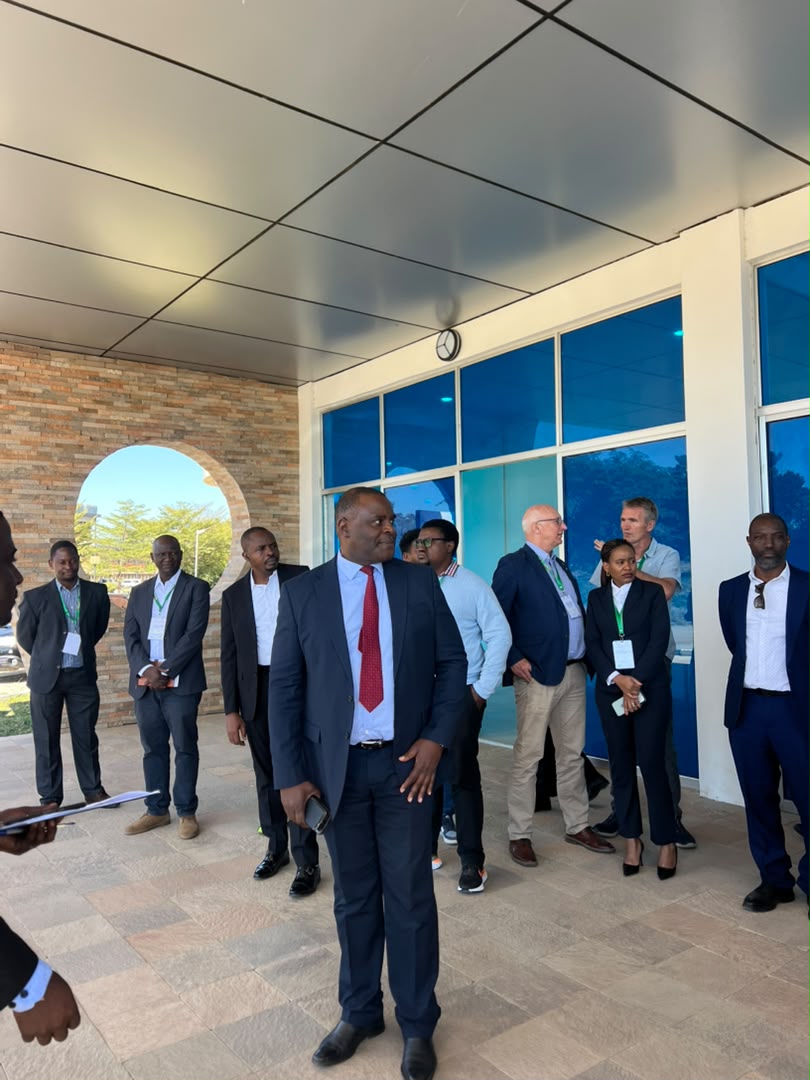
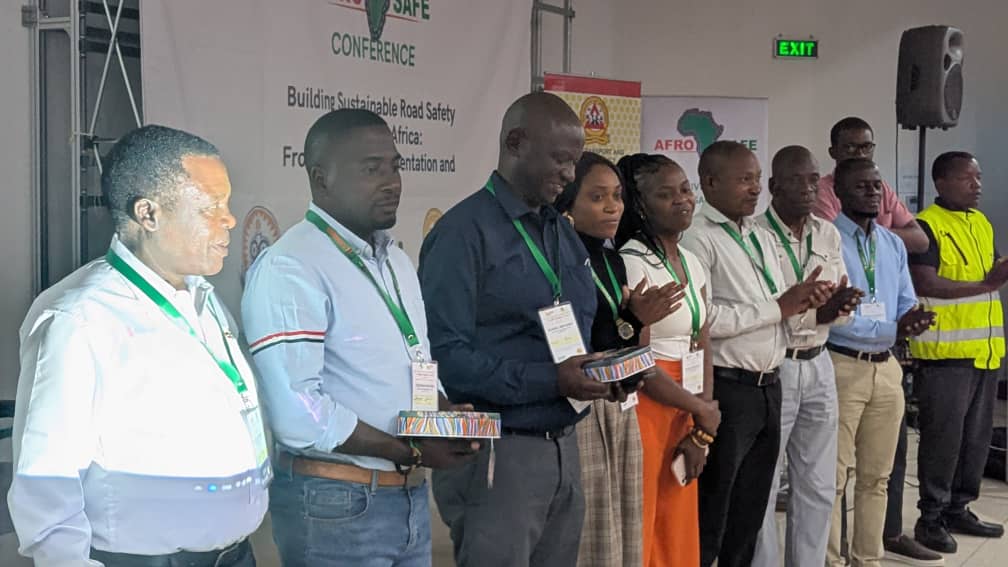
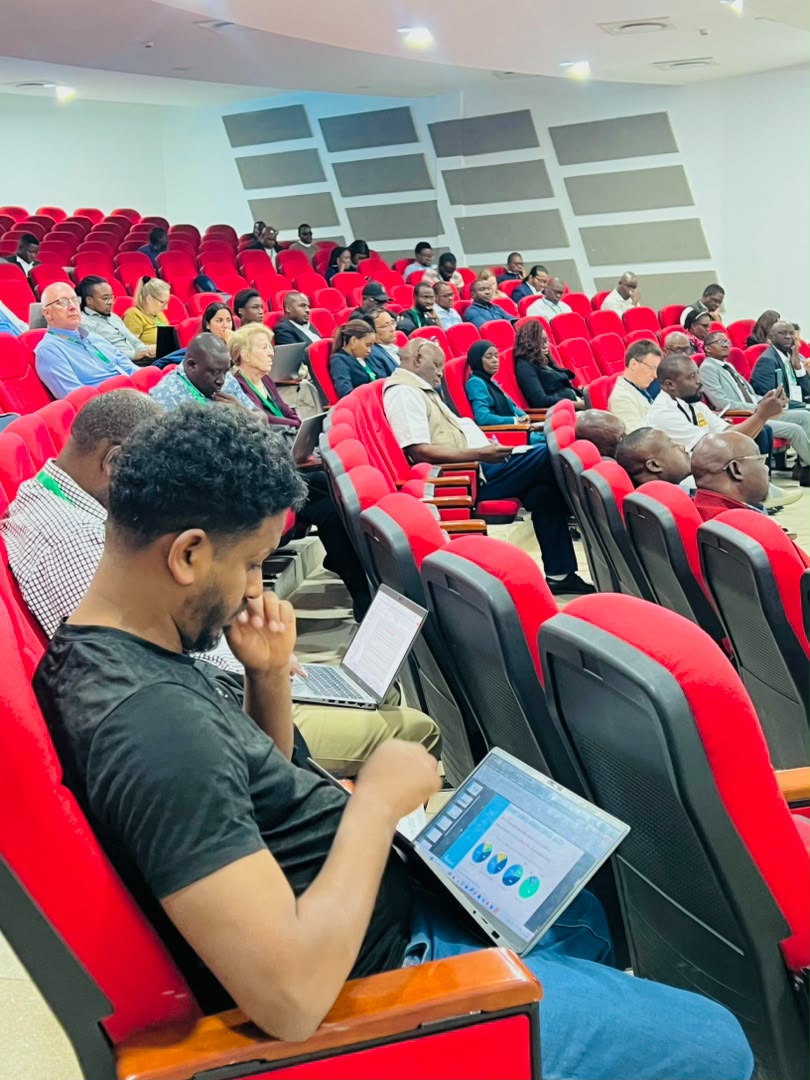
The 3rd AfroSAFE Conference was held from 10 to 11 June 2026 at the University of Zambia, School of Engineering, Engineering Lecture Theatre 2, in Lusaka.
The conference theme was “Building Sustainable Road Safety Systems for Africa: From Data to Implementation and Ownership.”
The meeting brought together researchers, practitioners, public agencies, universities, and road safety partners working on safer mobility in African settings. The programme covered urban road safety, school zones, pedestrians, informal transport, motorcycle safety, road user behaviour, crash data, Safe System governance, and future research needs.
Welcome remarks were delivered by representatives of Lund University, the University of Zambia, the Road Transport and Safety Agency, and the Zambia Road Safety Trust. The programme listed Prof. Muya Mundia, Vice Chancellor of the University of Zambia; Amon Mweemba, Chief Executive Officer of RTSA; Aliaksei Laureshyn of Lund University; and Daniel Mwamba of ZRST among those giving welcome remarks.
RTSA served as conference patron, while Autoliv was listed as silver sponsor.
AfroSAFE Academy is a network of scholars and practitioners working to advance traffic safety research and education with a focus on Africa. Its work includes conferences, traffic safety courses, webinars, and curriculum development linked to Safe System road safety management.
Why this matters for Zambia
For Zambia, the value of the conference was not only that it took place in Lusaka. The stronger point is that it placed Zambia’s road safety problems inside a wider African and global research discussion.
Many of the topics discussed at AfroSAFE are daily realities in Zambia: unsafe school zones, pedestrian risk, informal public transport, motorcycle growth, weak crash data, speed management, post-crash response, and the gap between policy and work on the ground.
Road safety work in Zambia cannot rely only on campaigns and enforcement. It needs safer road design, better data, stronger local authority roles, trained professionals, and public finance that reaches the places where people are being injured and killed.
ZRST’s contribution
ZRST contributed to the conference through two papers focused on child road safety and school-zone risk.
Safe System intervention in Lusaka school zones
Presenter: Chilekwa O’Brien
This paper presented quantified results from 15 pilot school-zone sites in Lusaka and drew on ZRST’s field work in school-zone safety.
A preventable epidemic: child road traffic fatalities in Zambia
Presenter: Daniel Mwamba
This paper argued that child road deaths should not be treated as random accidents, but as the result of unsafe roads, unsafe speeds, weak protection, and school environments that do not put children first.
ZRST’s position is direct: Zambia cannot claim to value children’s safety while leaving school entrances, walking routes, market roads, and public transport corridors exposed to predictable risk.
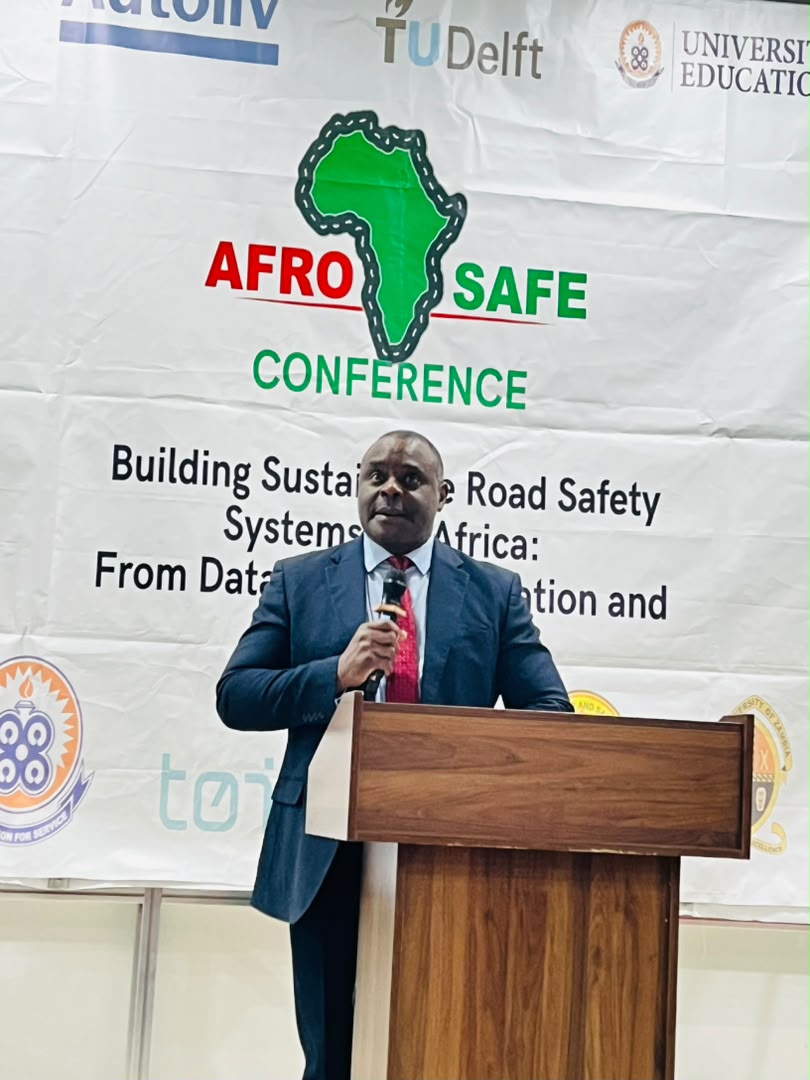
Conference images
Next steps
ZRST will use the AfroSAFE proceedings to strengthen its work on child road safety, safe school zones, walking and cycling, motorcycle safety, data use, and Safe System policy in Zambia.
Conference Papers and Materials, 3rd AfroSAFE Conference, Zambia 2026
ZRST will also continue engaging public agencies, universities, local authorities, donors, and corporate partners on practical road safety measures that can be funded, built, measured, and sustained.