ZRST and Yango Zambia expand school safety work to 15 Lusaka schools
The 2026 phase combines school-zone safety works, road-safety lessons and community engagement, with more than 24,000 learners expected to benefit.
From five pilot schools to a wider 2026 phase
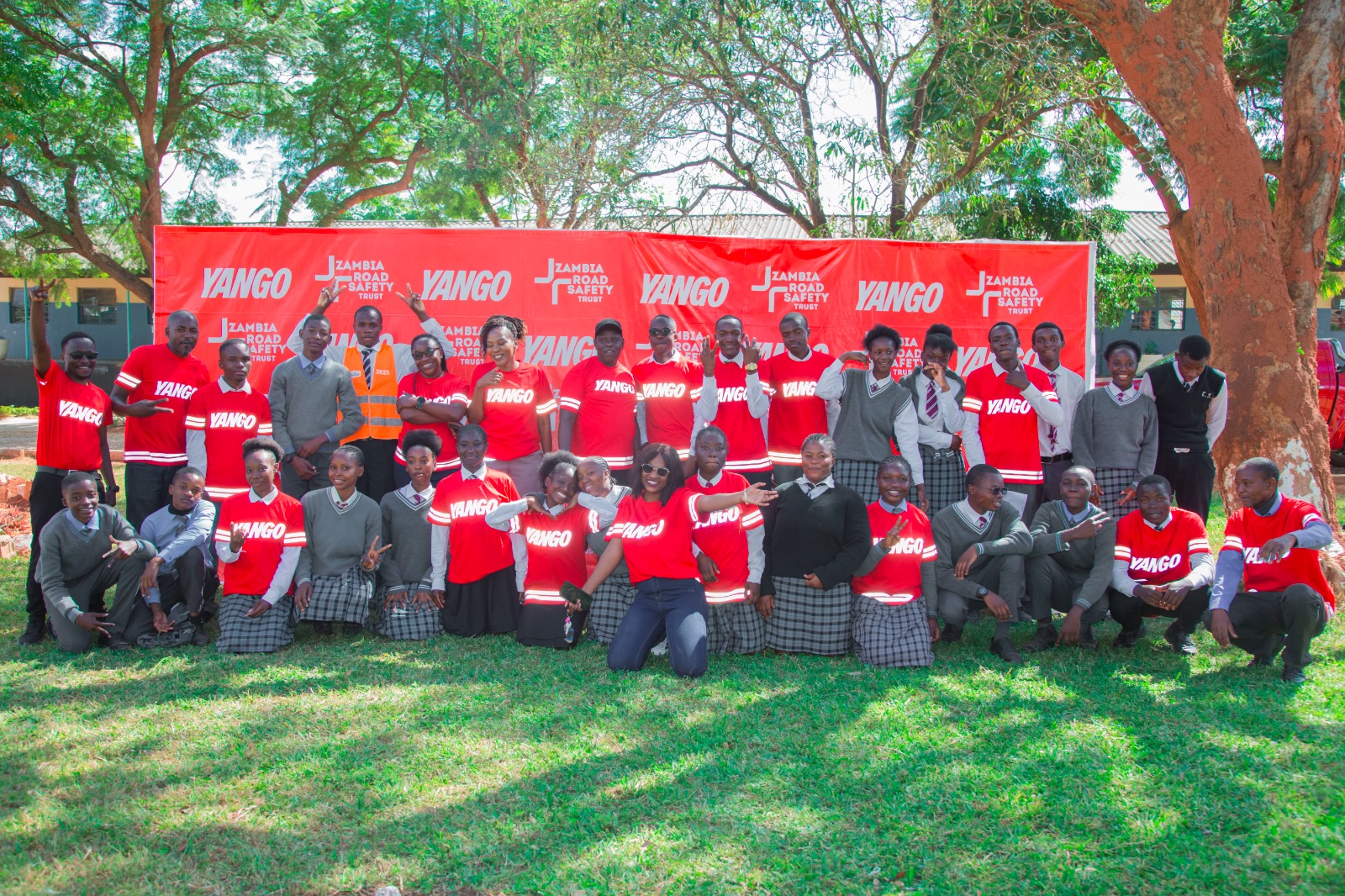
ZRST and Yango Zambia began the programme at five Lusaka schools in 2025, Arthur Wina Primary School, New Mandevu Primary School, Mumuni Primary School, Twashuka Primary School and Chilenje South Secondary School.
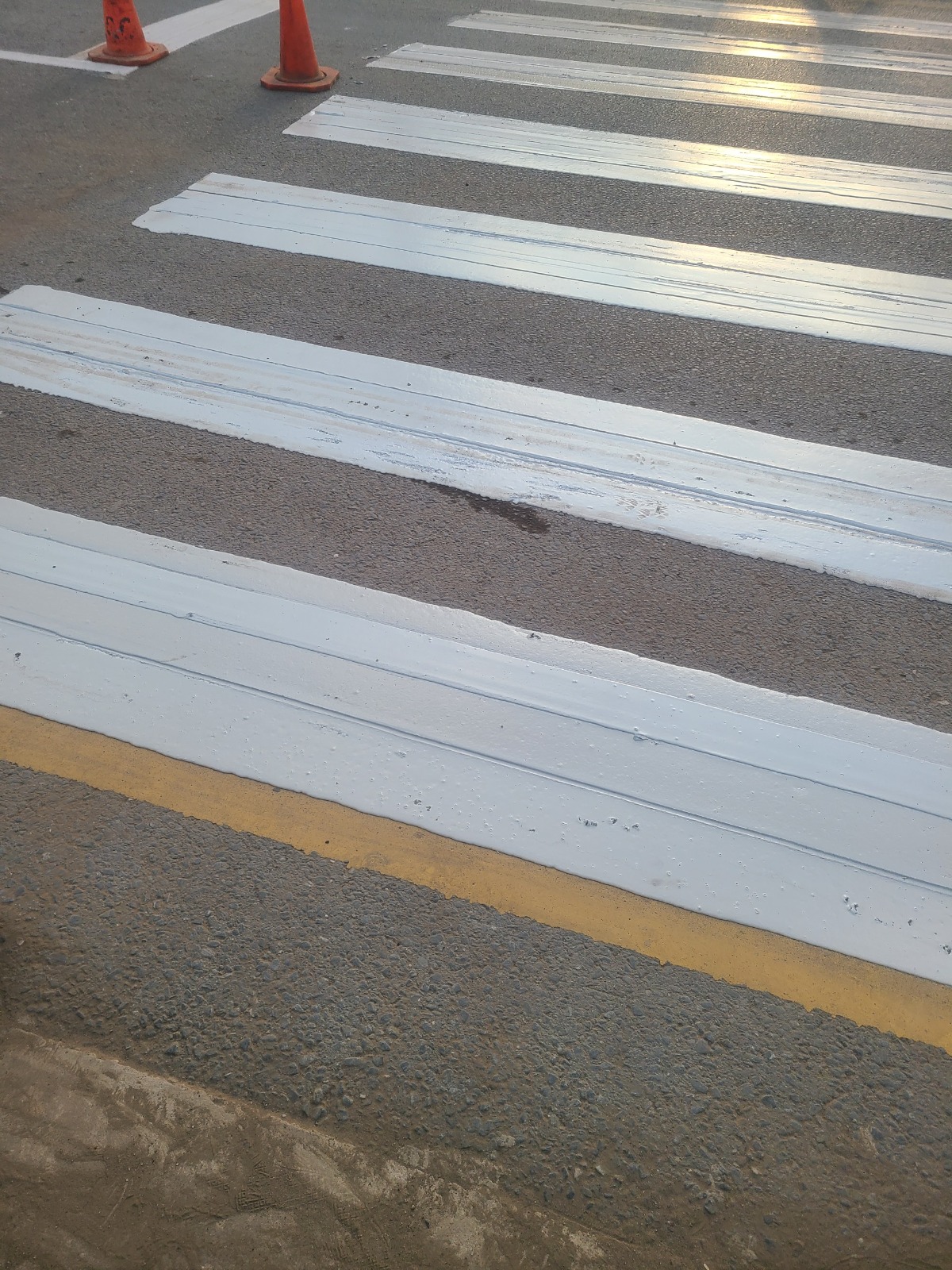
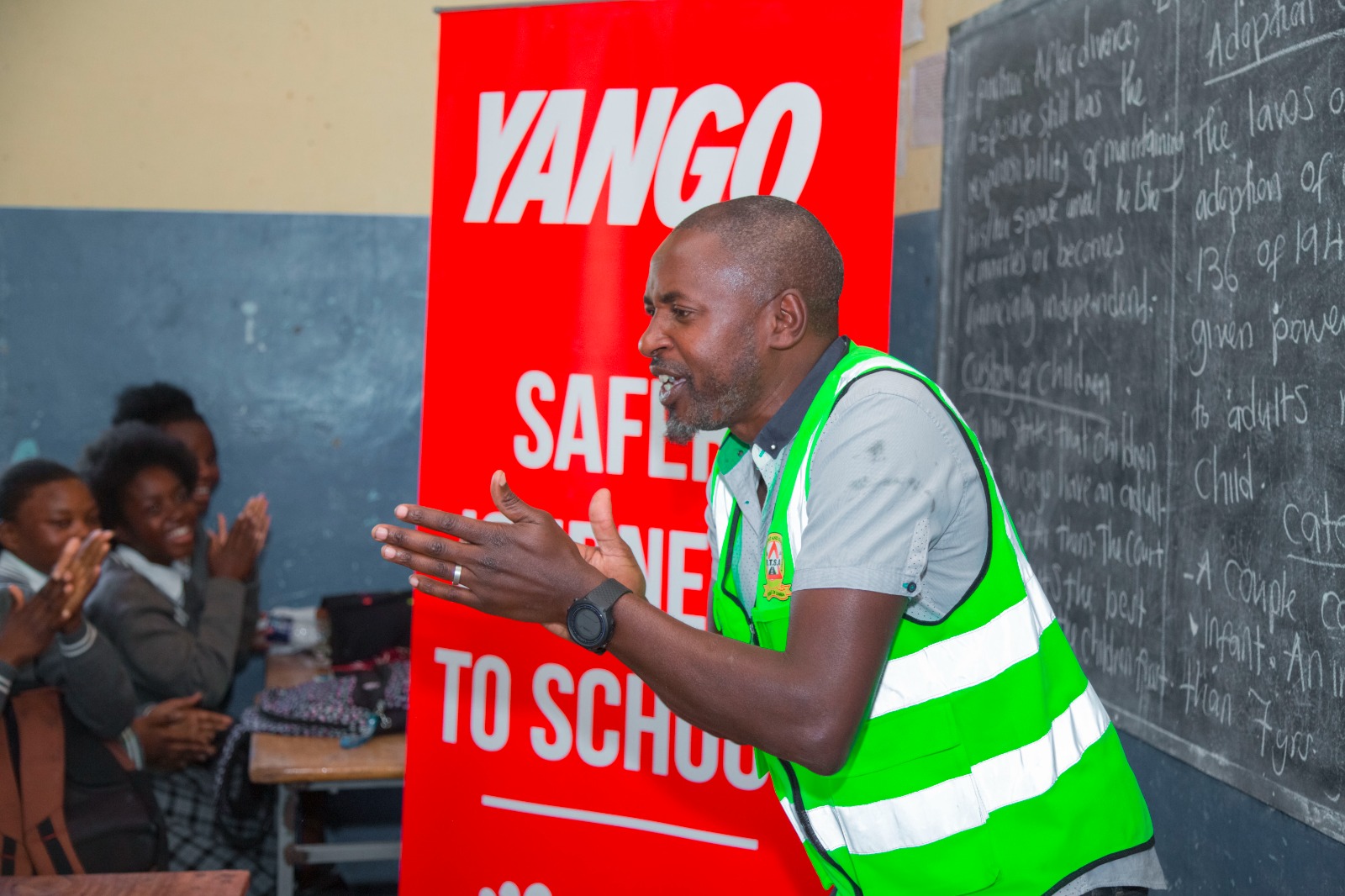
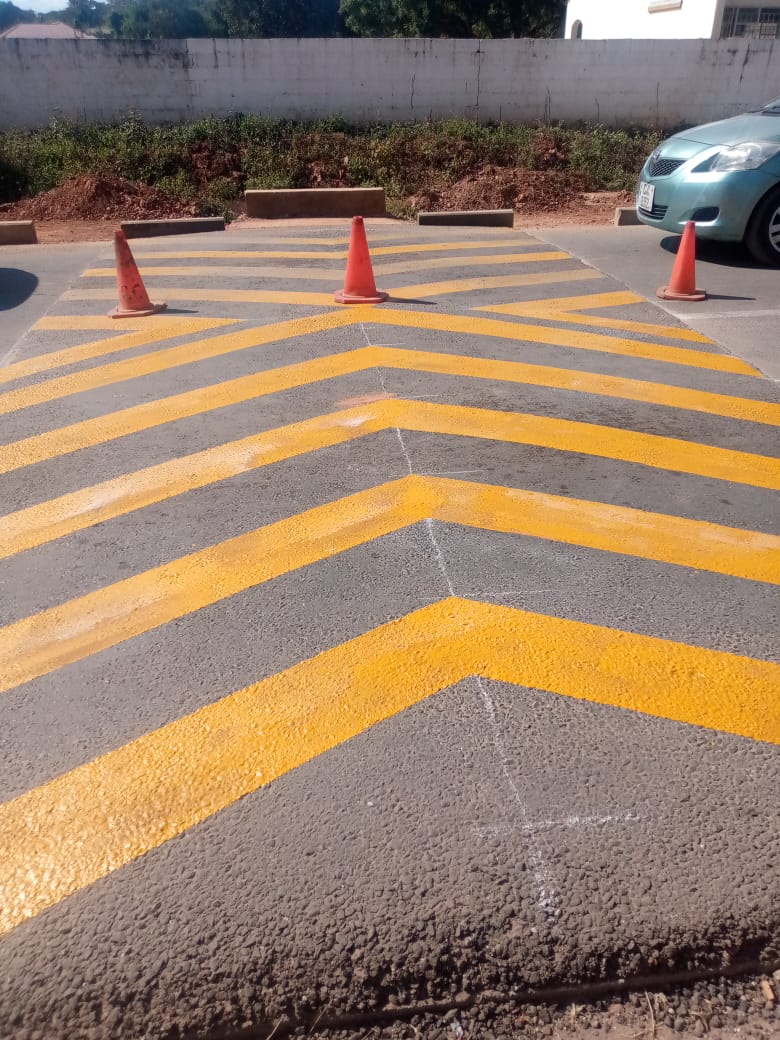
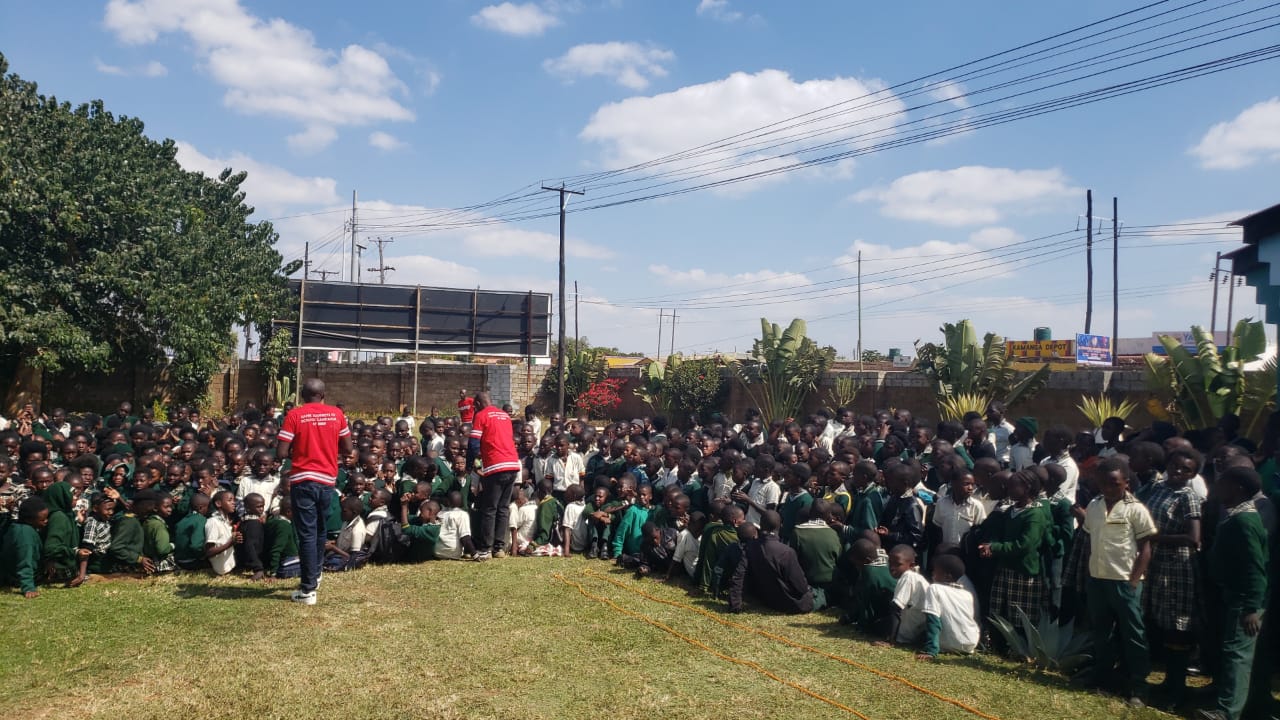
The pilot included zebra crossings, speed humps, school-zone markings and road signs. Approximately 8,000 learners took part in road-safety sessions.
2025: five pilot schools and approximately 8,000 learners reached. 2026: 15 schools, with more than 24,000 learners expected to benefit.
The 2026 figure is an expected reach for the expanded phase. It should not be reported as a completed result until delivery and participation records have been reviewed.
Schools included in the 2026 phase
Twin Palm Secondary School
Munali Girls Secondary School
Kizito Primary School
Nyumba Yanga Secondary School
Vera Chiluba Primary School
Woodlands “A” Secondary School
Mumana Primary School
Diana Kaimba Primary School
Ngwelele Primary School
Twashuka Primary School
Kapwelyomba Primary School
Kamulanga Secondary School
Nelson Mandela Secondary School
Chelstone Secondary School
Kaunda Square Secondary School
Physical measures supported by school and community work
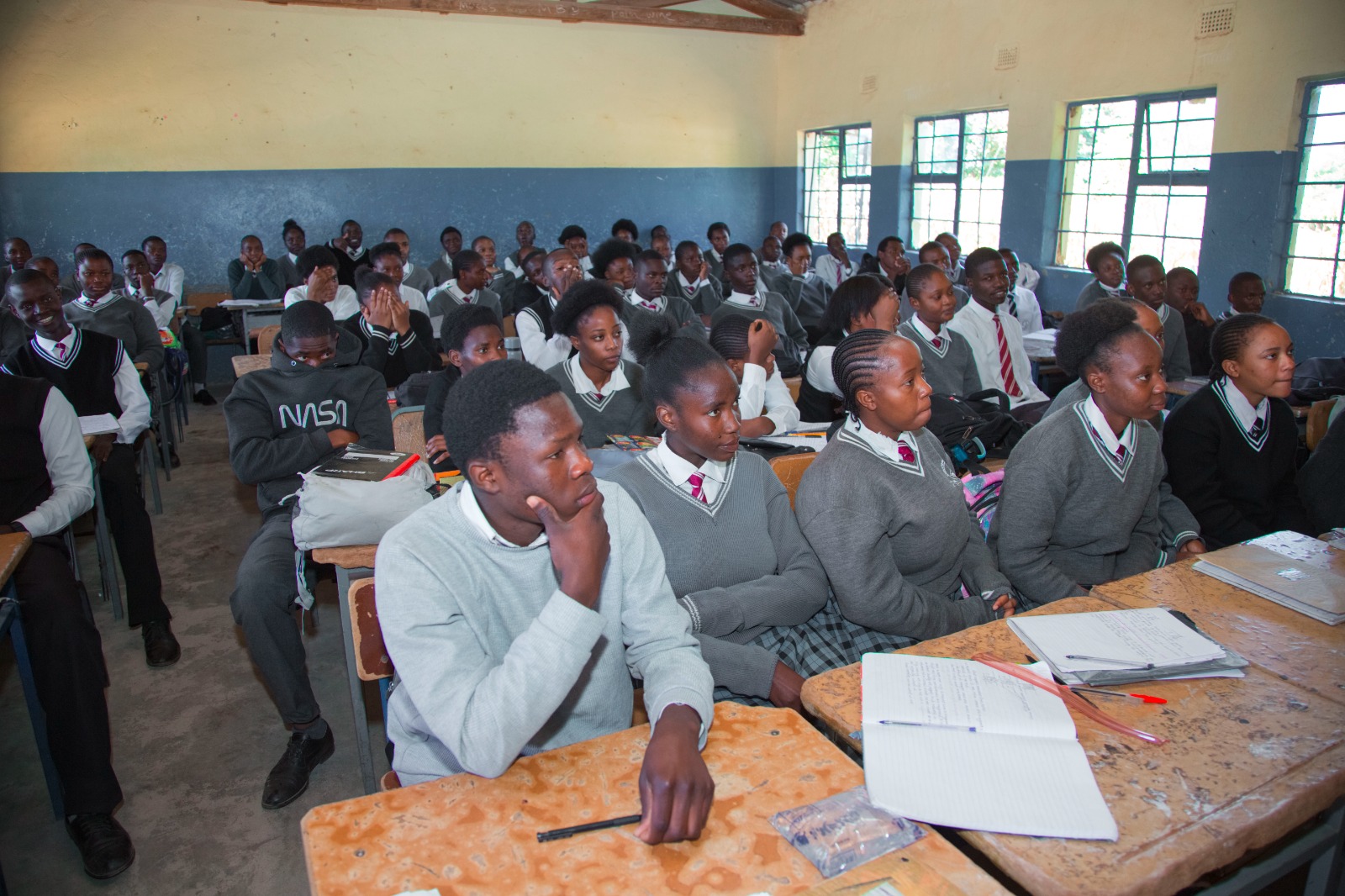
The programme combines marked pedestrian crossings, speed humps, school-zone signs and road markings with road-safety sessions for learners. Parent and community briefings address the daily choices made by drivers, riders and adults near school gates and along walking routes.
The exact treatment at each school should follow local assessment and agreement with the responsible public authorities. A crossing, sign or lesson is an activity, not proof on its own that road risk has fallen.
“We started this because the data on child pedestrian deaths in Zambia is not abstract to us. These are children walking to schools we can name, on roads we have surveyed. Yango’s support has helped us move from five schools to a wider group of fifteen schools in one year, and that is a serious step for child road safety in Lusaka.”Daniel Mwamba, Executive Director, Zambia Road Safety Trust
Work that can be inspected at each school
The programme focuses on road conditions around school entrances and common walking routes. ZRST works with schools, communities, Yango Zambia and public authorities to identify risks, agree suitable measures and document what is delivered.
Future reporting should distinguish completed infrastructure, learner participation and community engagement from any measured change in vehicle speed, crossing behaviour or road safety. This keeps the programme accountable as it grows.
Safer Journeys to School in Lusaka
Discuss future school safety work with ZRST
Schools and institutions interested in future phases should contact ZRST with the school location, the road-safety concern and the responsible local authority.