
Case study | Lusaka | 2023 to 2025
Turning walking and cycling evidence into a city plan
Lusaka City Council and ZRST used the Partnership for Healthy Cities Policy Accelerator to move from a recognised safety gap to a signed policy strategy and a practical non-motorised transport guide.
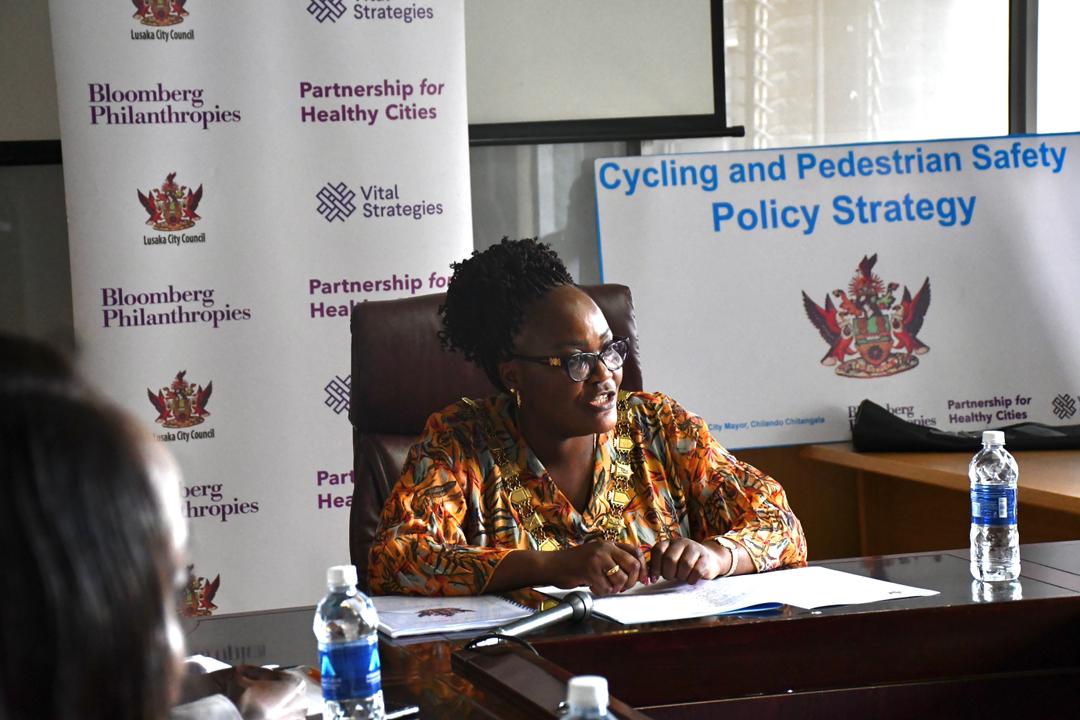
The gap
People were walking and cycling on streets that did not protect them.
The city needed a policy route, local evidence and practical design standards. The later infrastructure audit confirmed that the problem was not a lack of demand. It was a lack of safe space.
The work
A policy process with a clear record
The work joined public health evidence, city authority, legal review, stakeholder input and street-level data.
Define the problem
The city team prepared an inventory, policy outline, policy brief, adoption plan and risk analysis. Legal and technical departments were involved from the start.
Record city commitment
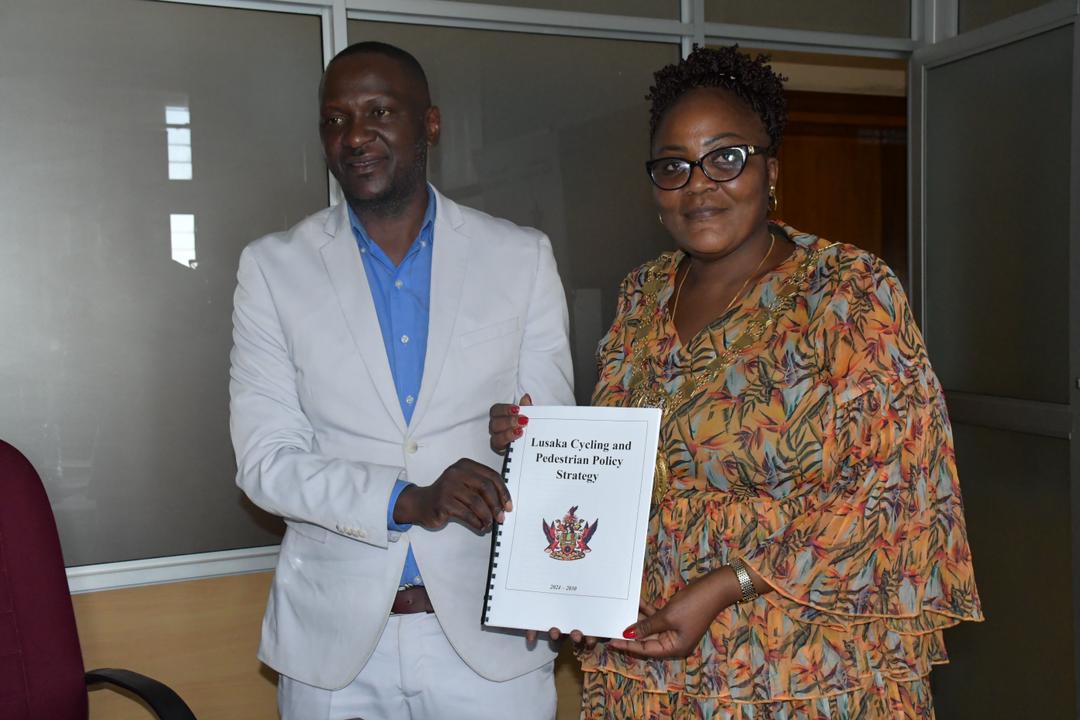
Mayor Chilando Chitangala signed the Lusaka Cycling and Pedestrian Safety Policy Strategy. This was an institutional milestone, not proof of completed road works.
Prepare implementation
The Lusaka Non-Motorized Transport Guide set out street standards, priority corridors, intersection designs, phases, costs and financing options.
Verified outcomes
What the partnership produced
A signed city strategy
The 2024 to 2030 strategy gives Lusaka a stated direction for safer walking and cycling.
A documented policy route
The city completed the policy inventory, outline, brief, adoption plan and risk report required for the next legal steps.
A city-scale evidence base
Field audits, user interviews and crash-location review identified where protection is most needed.
An implementation package
The NMT guide provides design standards, a phased programme, cost estimates and possible sources of finance.
Project record
Policy strategy signing


Evidence boundary
What this case study does not claim
This was a systems-building programme. It created policy tools, city commitment and an investment plan. The available records do not yet support a claim that the programme reduced crashes or injuries.
- The May 2024 signing was a policy strategy milestone. A September 2024 report still listed formal legal adoption among the next steps.
- The NMT guide recommends infrastructure. It does not prove that the works have been funded or built.
- Crash, speed and road-user data will be needed before and after implementation to measure safety outcomes.
Next steps
Move from plan to safer streets
Source record: Lusaka City Council quarterly and Policy Accelerator reports, the Lusaka Cycling and Pedestrian Policy Strategy 2024 to 2030, the 17 May 2024 press release, and the Lusaka Non-Motorized Transport Guide, August 2025. The Partnership for Healthy Cities is supported by Bloomberg Philanthropies in partnership with WHO and Vital Strategies.