ZRST Success Story · May 2026
From passenger evidence to policy action
The Zambia Road Safety Trust is bringing sexual harassment in public transport out of the shadows and into Zambia’s mobility policy agenda.
The challenge
Harassment restricts freedom of movement
For many passengers, particularly women and girls, a public transport journey can include verbal abuse, intimidation, suggestive gestures or unwanted physical contact.
These experiences affect more than personal safety. Fear and humiliation can restrict access to education, employment, healthcare and other essential services. Yet incidents often remain unreported because passengers fear retaliation, face social stigma, do not trust available systems or do not know where to report.
The evidence
Passenger testimony made the scale visible
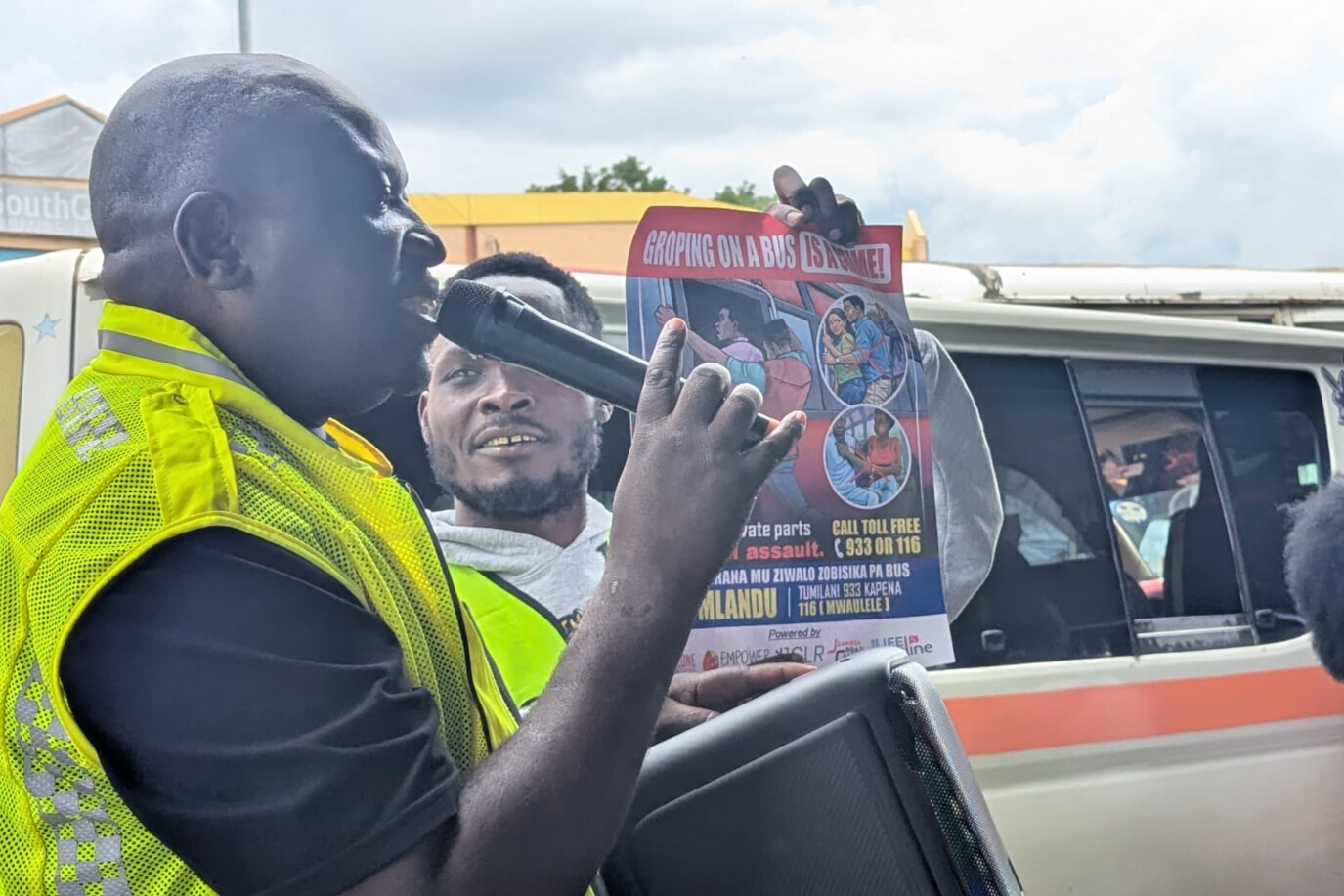
ZRST’s 2024 Public Transport Sexual Harassment Passenger Survey in Lusaka documented both direct experience and widespread witnessing of harassment.
The figures are respondent counts reported in the ZRST Public Transport Sexual Harassment Passenger Survey, 2024. They are not presented as population prevalence estimates.
ZRST’s response
Turning evidence into a national policy agenda
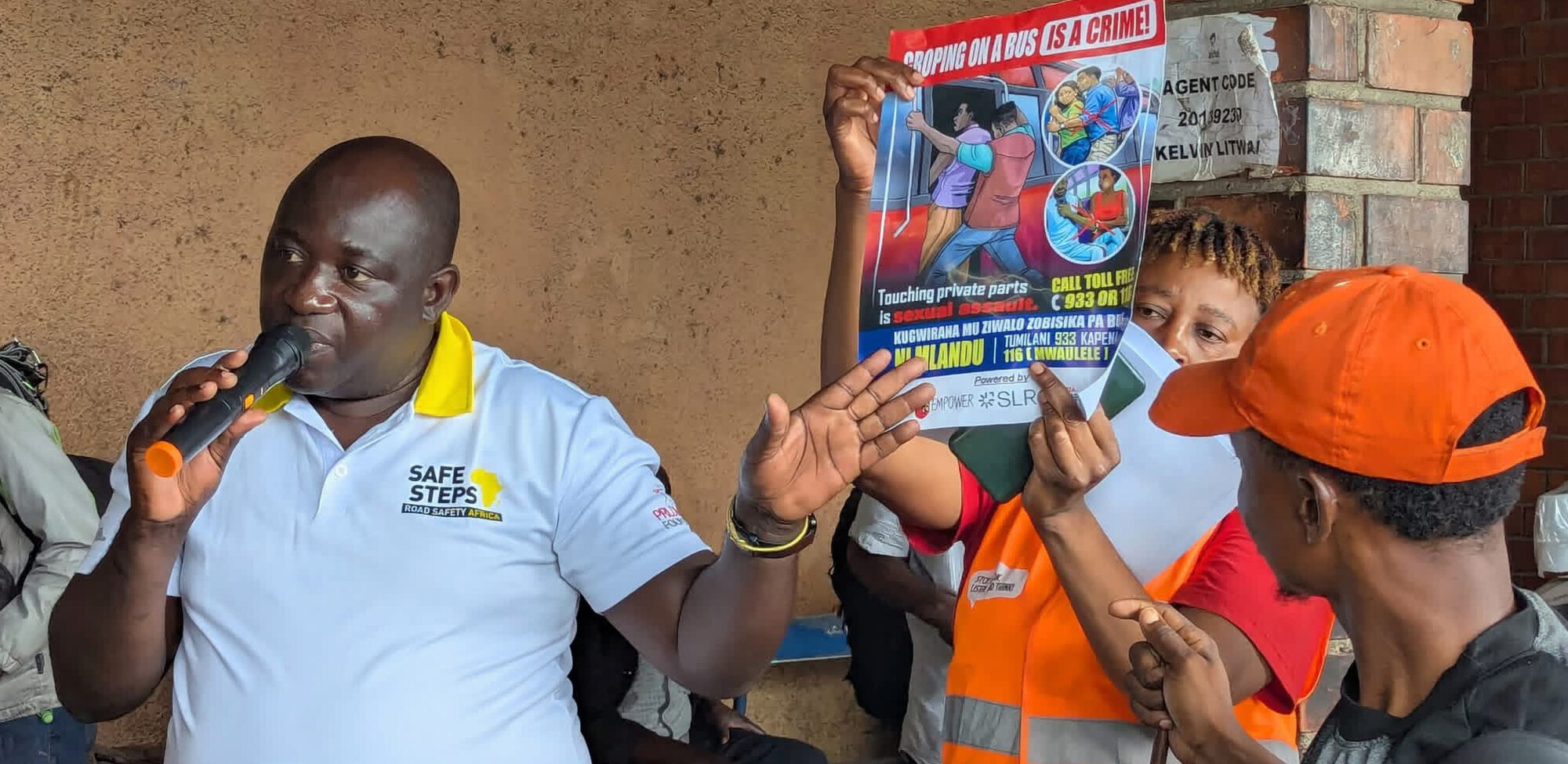
ZRST combined passenger evidence, stakeholder engagement and transport-sector experience to develop the policy brief Addressing Sexual Harassment in Public Transport in Zambia.
The brief reframes sexual harassment as both a transport-safety and gender-equality issue. It identifies gaps in institutional coordination, reporting and accountability, transport infrastructure, routine data collection, public awareness and survivor-centred response.
The pathway
Evidence. Partnership. Policy. Accountability.
Listen
Document the experiences of passengers and witnesses.
Convene
Bring transport, safety, gender, health and civil-society actors together.
Translate
Turn findings into specific policy and operational recommendations.
Track
Build monitoring, reporting and institutional accountability into delivery.
The policy priorities
What safer public transport requires
Clear rules
Dedicated standards, definitions and responsibilities for preventing and responding to harassment in transport.
Safe reporting
Confidential, accessible and survivor-centred channels supported by clear response protocols.
Safer environments
Better lighting, monitored facilities, surveillance and emergency-response systems at transport sites.
Trained personnel
Gender-sensitivity and response training for drivers, conductors, terminal staff and law enforcement.
Behaviour change
Public campaigns that challenge normalisation, explain offences and encourage safe intervention and reporting.
Better data
Standardised collection, monitoring and evaluation, including tools such as SHE CAN.
Partnership in practice
Building the coalition for safer mobility
The policy agenda reflects engagement across road safety, transport, gender, health, labour, academia and civil society.
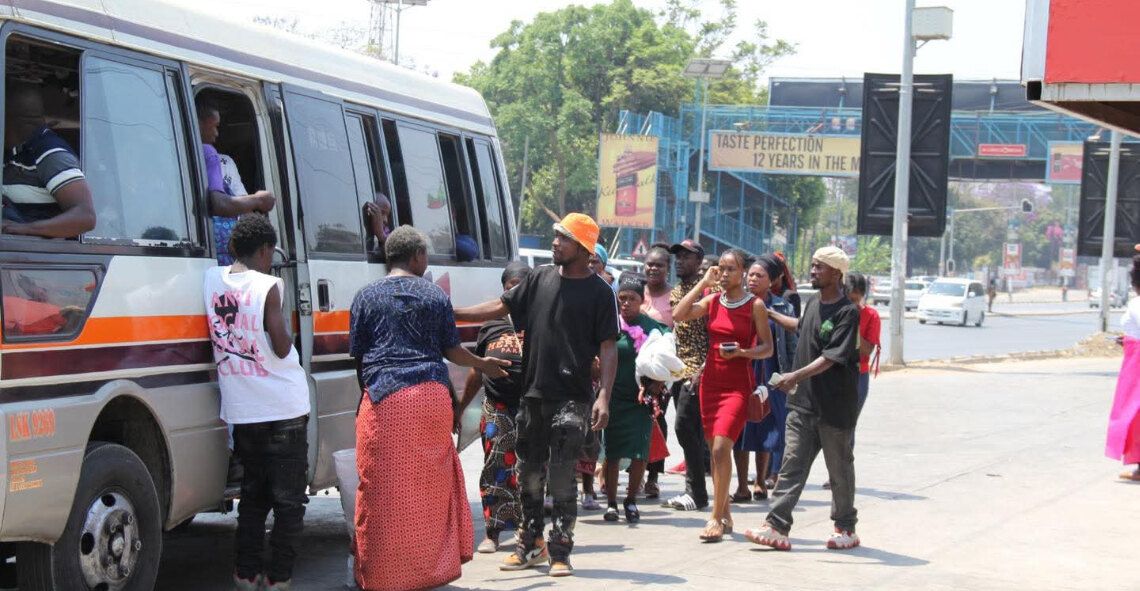
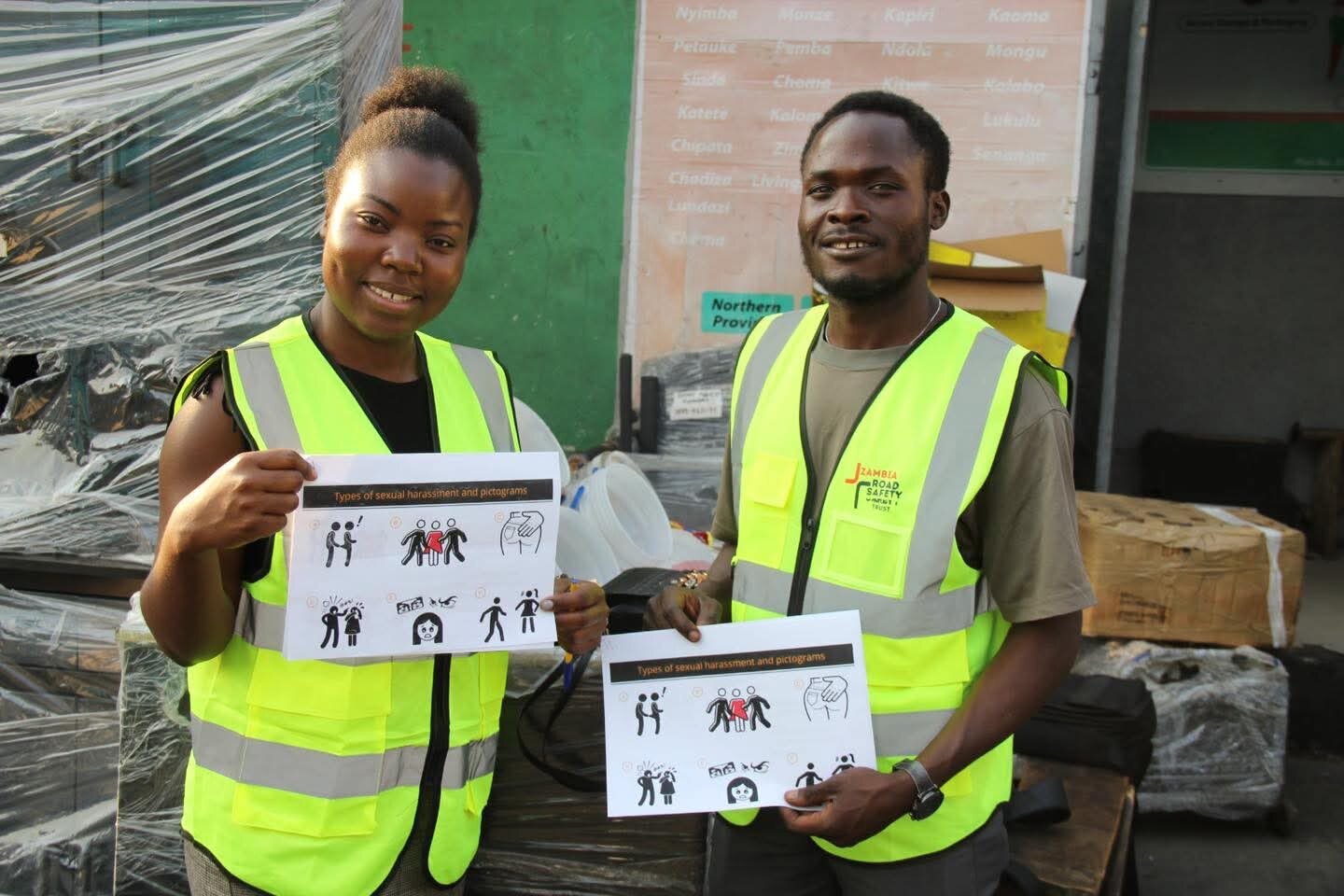
A hidden safety issue now has an evidence-based policy platform
ZRST’s work has connected passenger testimony to a practical reform agenda. The success is not a claim that harassment has ended. It is the creation of a credible foundation for prevention, protection, reporting and accountability.
Towards safer journeys for all
Every passenger deserves public transport without harassment, intimidation or fear.
ZRST is advancing the evidence, partnerships and policy reforms needed to make safe and dignified mobility a reality across Zambia.