Safe School Zones
A sign beside a fast road is not a safe school zone.
ZRST helps schools, councils, public agencies and sponsors turn a known road risk into agreed, funded and recorded safety work. The package can include crossings, traffic calming, signs, safer walking space, wardens, school learning and follow-up.
The Zambia problem
Children depend on adults to make the road safer.
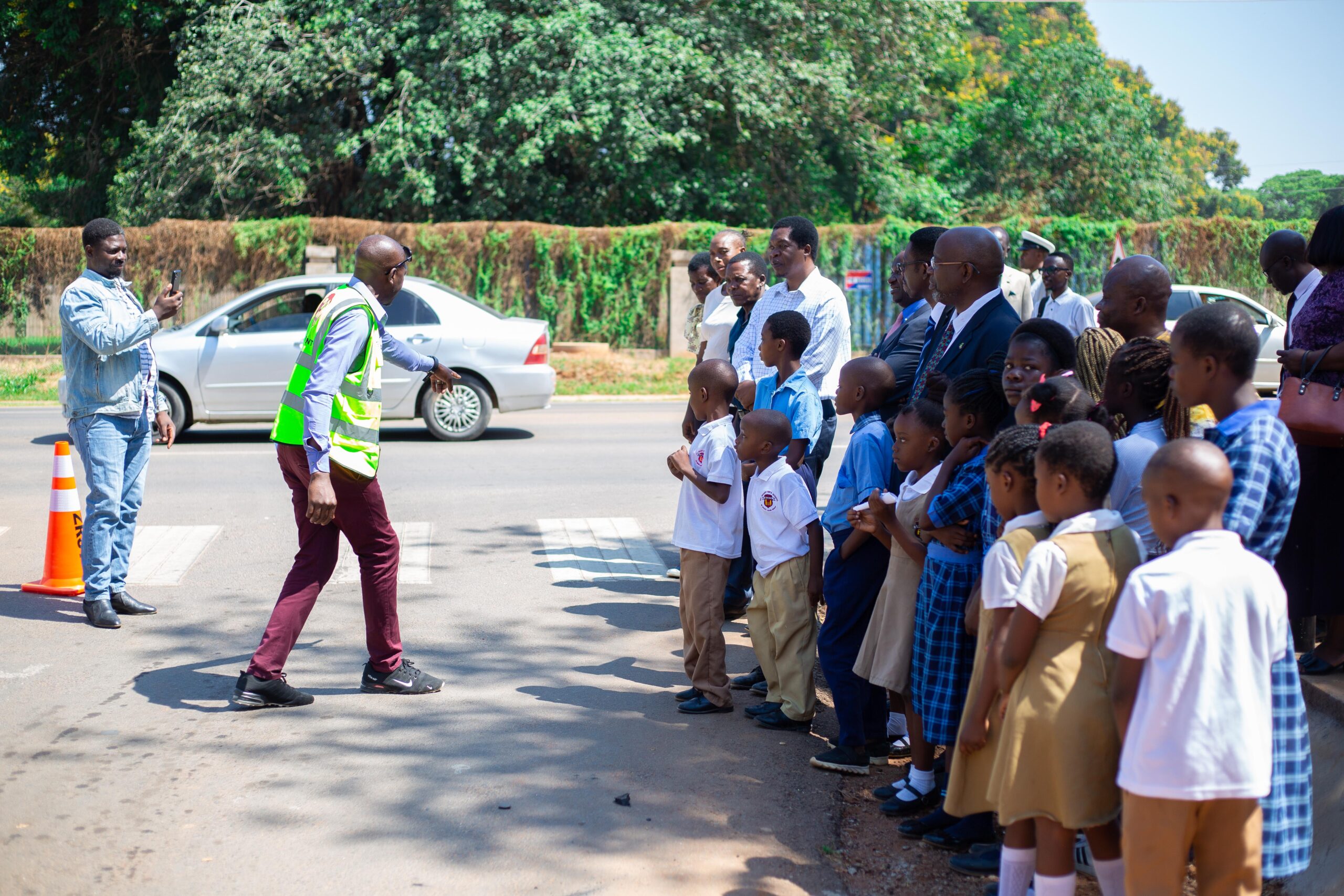
Children walk beside traffic, cross busy roads and travel as passengers. They cannot set speed limits, approve crossings, repair markings or control drivers. Those duties sit with public bodies, road managers, schools, operators and adults.
The police totals do not identify how many child casualties occurred on school journeys. ZRST does not present them as school-run deaths. Read the 2025 data review.
The delivery package
Four parts of a credible school-zone project.
1. Check the site
Review the school gate, crossings, traffic speed, walking routes, public transport, drainage and road ownership.
2. Agree the work
Bring the school, council, police, road agency and sponsor into the same scope, with approvals and duties recorded.
3. Protect the route
Install approved crossings, signs, markings, traffic calming, bollards or walking space suited to the site.
4. Check what changed
Train responsible adults, brief learners, record the work, review speed or use where funded, and identify maintenance needs.
Work in practice
Infrastructure, public duty and school learning must work together.
Selected delivery record
Evidence partners can check.
Four UNDP-supported schools
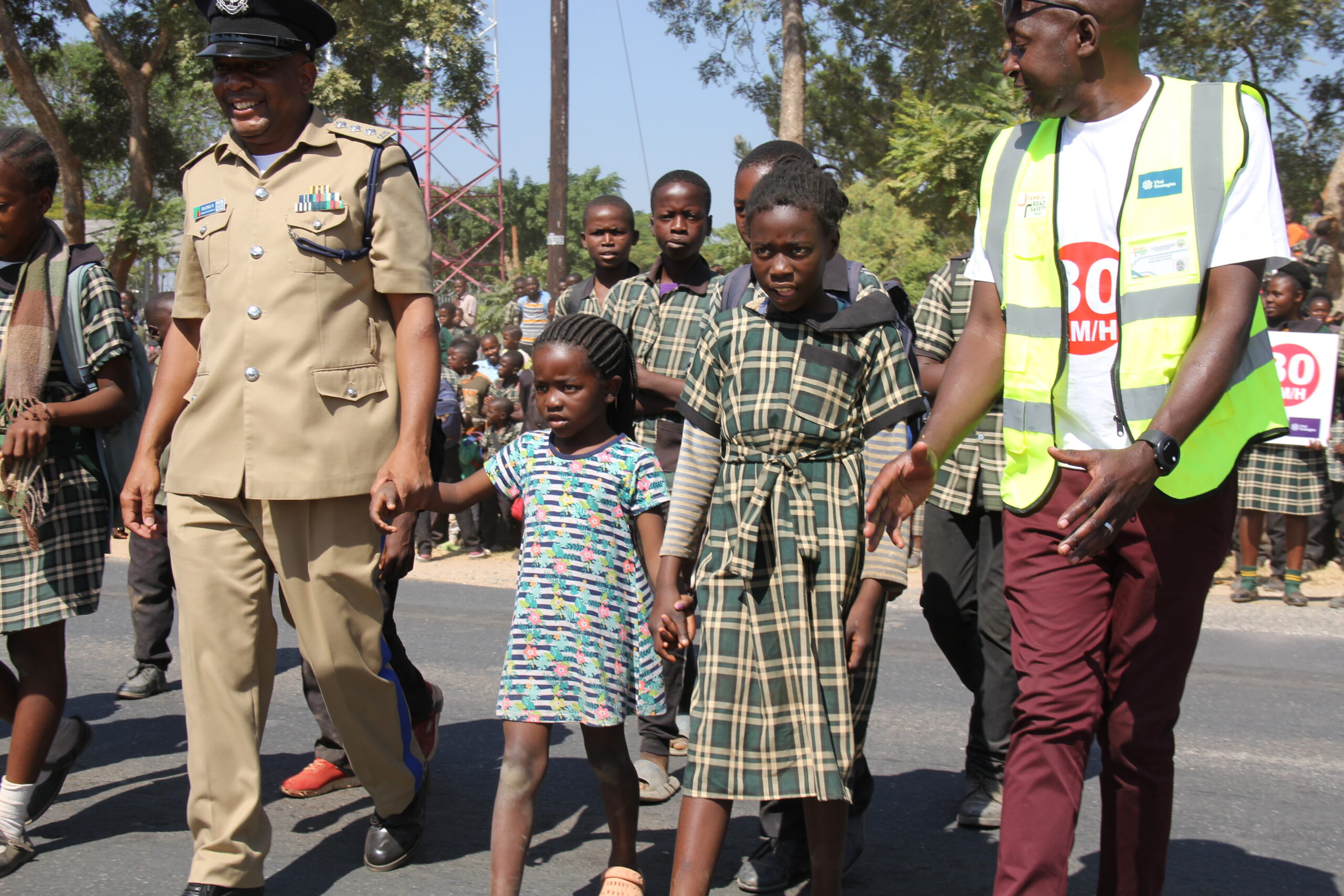
UNDP records raised crossings, rumble strips, footpaths, bollards and signs at Kabanana, Kalingalinga, Lusakakasa and Jacaranda schools. ZRST carried out the work with government partners.
Independent school study
A 2025 before-and-after study found lower speeds at treated schools. Only one site was below 30 km/h, a reminder that one round of work may not be enough.
Lusaka’s shared progress
The 2023 Vision Zero for Youth award recognised Lusaka and its partners for safer school streets, lower speeds and wider policy progress. ZRST was one contributor within that coalition.
Partner-supported scale
Five pilot schools, then a wider phase.
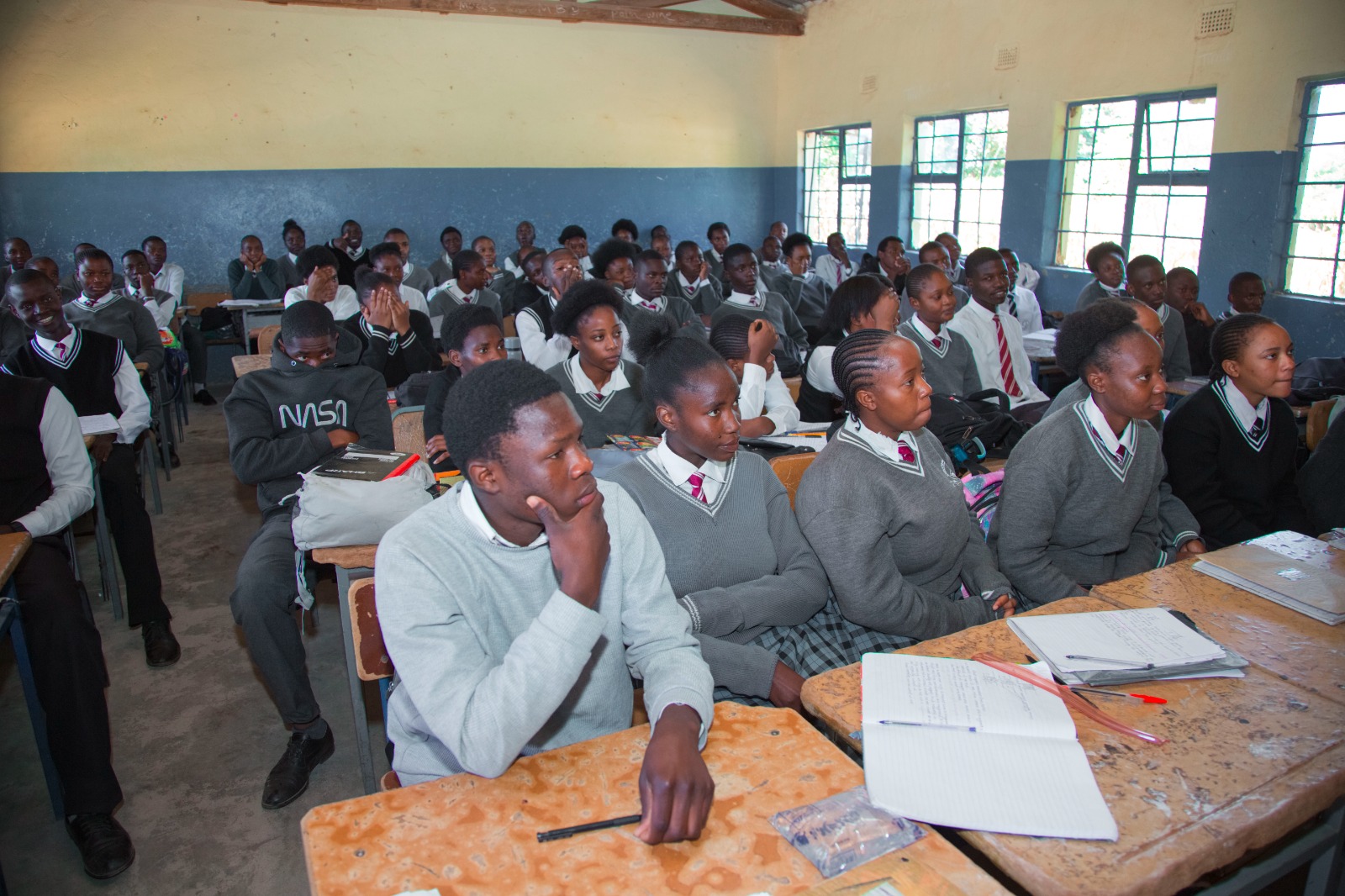
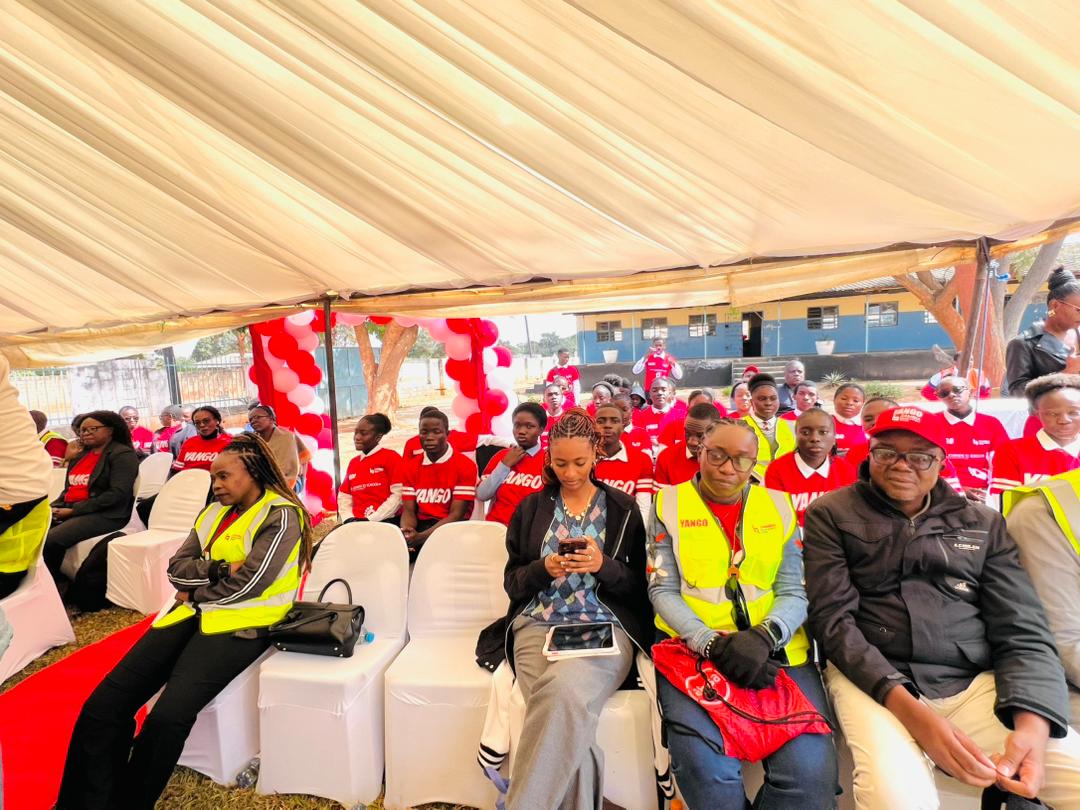
The ZRST and Yango pilot covered five Lusaka schools in 2025, with crossings, speed humps, signs, markings and school learning. The 2026 phase is designed for 15 schools and has a stated target of more than 24,000 learners.
The 2026 figure is a target, not a completed result. It should only become an outcome claim after site work and school records have been checked.
For sponsors and public bodies
Fund the site, not a generic package.
A school-zone budget should follow a site check. Drainage, road width, utilities, traffic volume, land limits and road-authority requirements can change the design and cost.
The sponsorship prospectus is a starting point, not a fixed quotation. We agree major civil works only after the responsible road authority has reviewed the site and the required approvals are in place.
A fundable scope can cover
- site review and agreed work plan;
- approved safety works and school-frontage measures;
- teacher, warden and learner preparation;
- records, safeguards and partner reporting; and
- follow-up checks and a maintenance note.
ZRST resources
Plan, deliver and check the work.
Implementation records
School acknowledgement letters.
Letters confirm work reported by the school. They do not prove long-term speed or casualty change, so ZRST reads them with site records and follow-up data.
Bring us one school and the road risk.
Send the school name, district, road, main danger, responsible road authority and any photos or prior reports. ZRST will explain the next practical step and what still needs public approval.