Zambia Road Safety Trust
Post-crash Care Integrated Training Programme for Emergency Care Providers from 26-27 November 2025 in Lusaka, Zambia
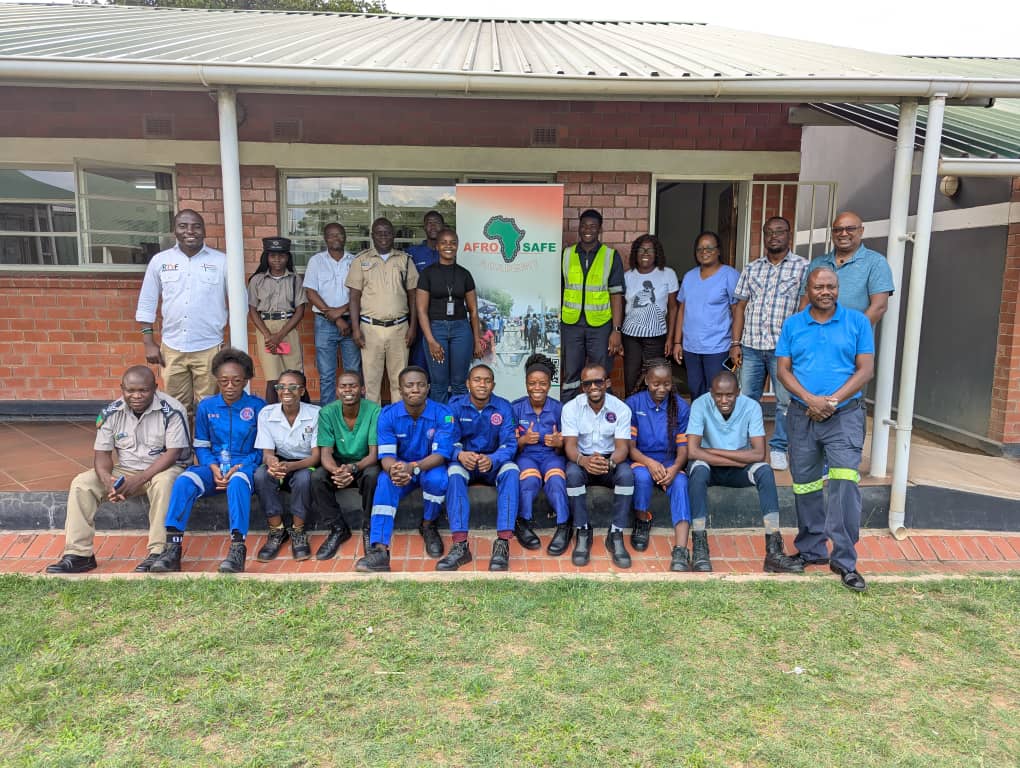
The Zambia Road Safety Trust (ZRST) successfully hosted a landmark two-day Post-Crash Care Integrated Training Programme on November 26–27, 2025, at Levy Mwanawasa Medical University. Running from 09:00 to 17:00 each day, the programme represents a major step forward in Zambia’s mission to strengthen emergency response and save lives on the nation’s roads.
Zambia continues to face a pressing road safety crisis. In 2024 alone, 2,199 lives were lost, an increase from the previous year. The country suffers an annual economic loss of USD 910 million, equivalent to 4.7% of GDP, and research shows that 35% of fatalities are preventable with timely intervention. Lusaka Province remains the epicentre of road traffic accidents, underscoring the urgent need for coordinated and professional post-crash care.
The training formed part of the AfroSAFE Project, a four-year, €4 million EU-funded initiative coordinated by Lund University in Sweden. Focused on Pillar 5: Post-Crash Care, the project aims to strengthen life-saving interventions during the critical “Golden Hour.” Within this framework, Work Package 6 was dedicated to enhancing pre-hospital care skills, promoting inter-agency coordination, developing standardized trauma management protocols, and reducing preventable fatalities through rapid and effective response.
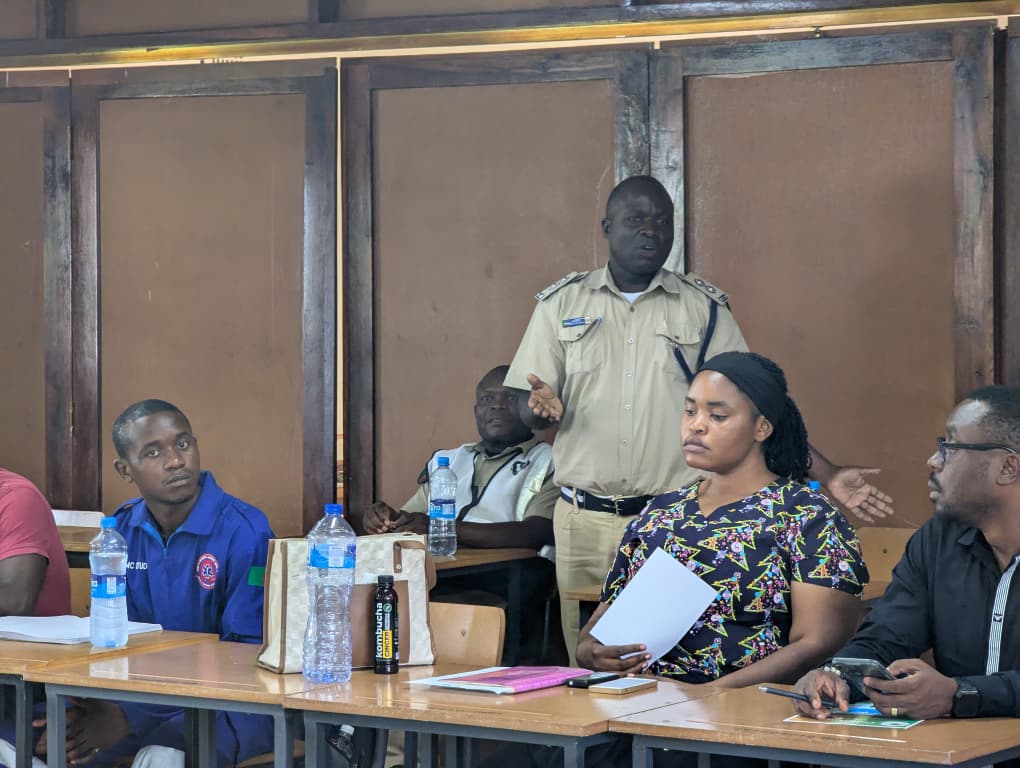
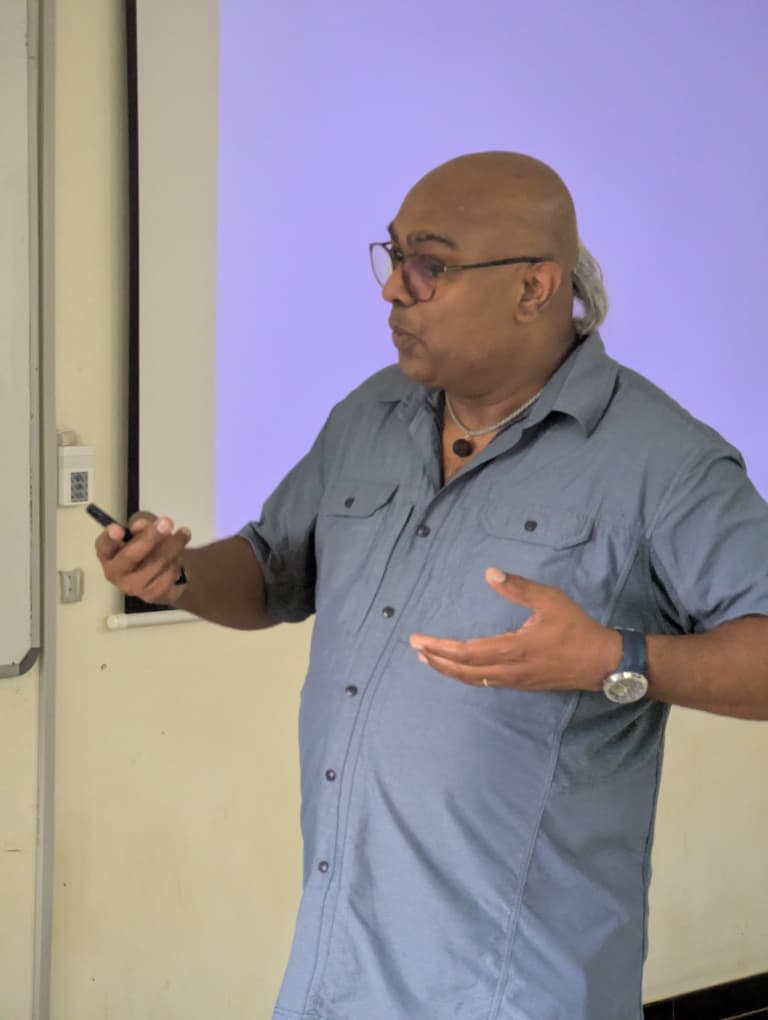
Approximately 30 emergency responders completed the programme. Participants included ambulance personnel, paramedics, pre-hospital care nurses, Zambia Police traffic officers, Lusaka City Council Fire and Rescue teams, and students from Levy Mwanawasa Medical University. Dr. Anesh Sukhai of NTU International emphasized that the initiative goes beyond clinical training, highlighting the importance of coordination, communication, and shared understanding of roles in saving lives.
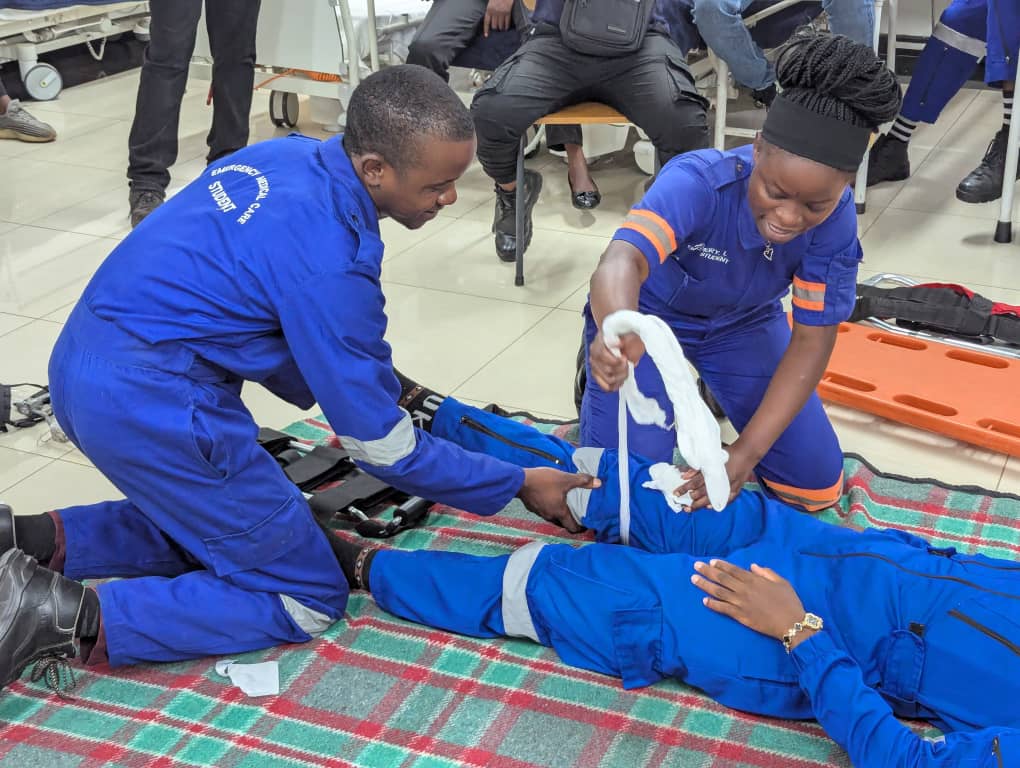
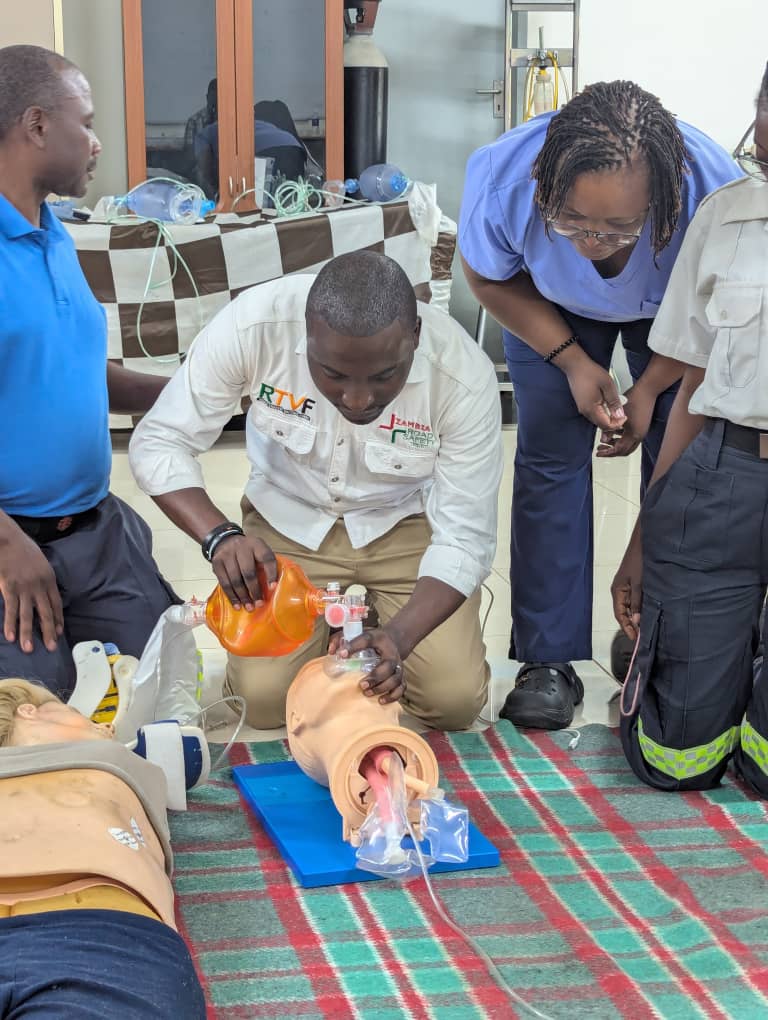
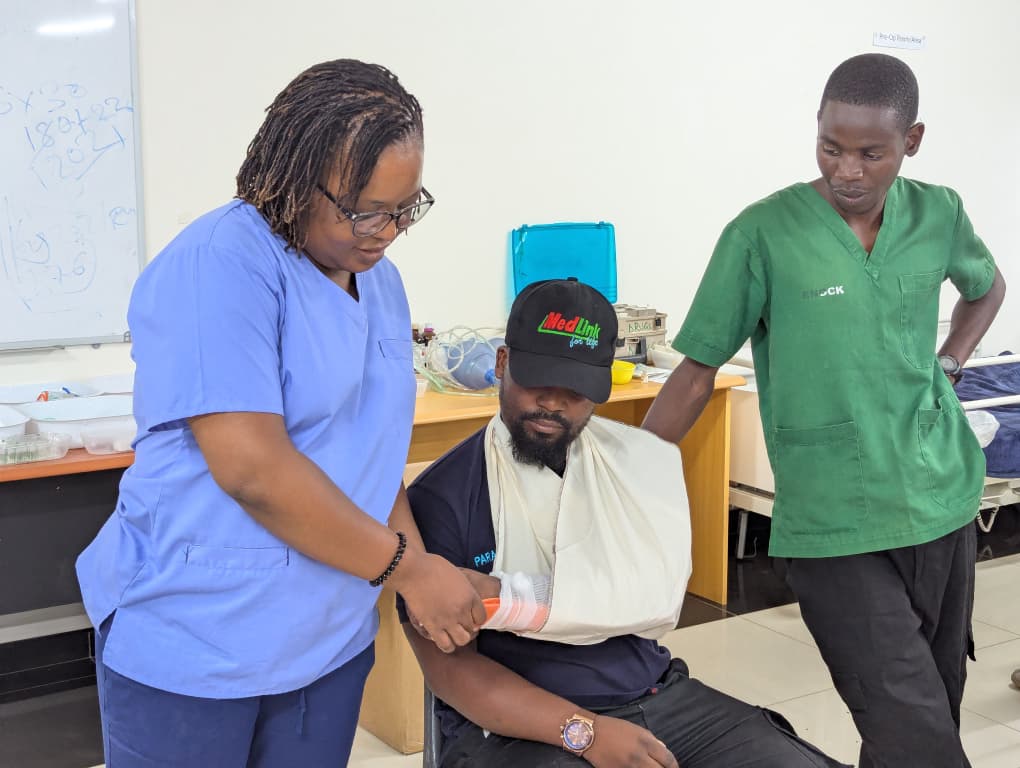
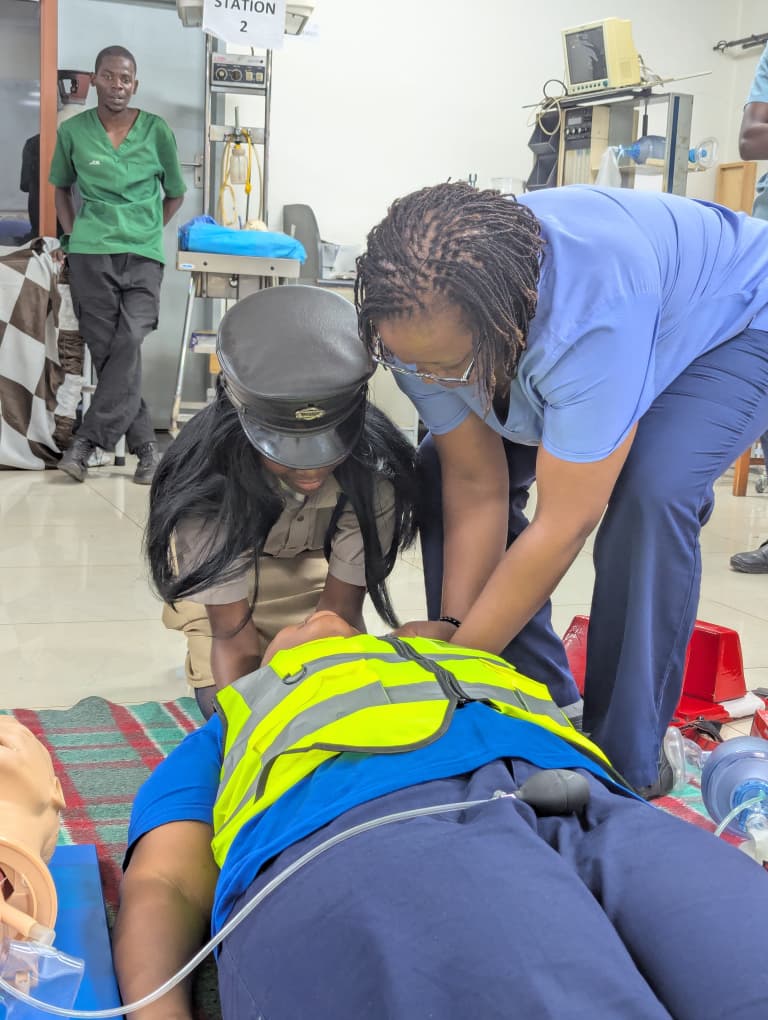
The training was highly practical, with participants engaging in simulations and emergency drills along the high-risk Great East Road corridor. These exercises focused on crash scene management, airway management, bleeding control, spinal precautions, systematic triage for multi-casualty incidents, and effective inter-agency communication.
This pilot programme lays the foundation for a world-class post-crash care system in Zambia. Future steps include advanced and refresher training modules, strengthened inter-agency operations, expansion to other high-risk corridors, advocacy for increased emergency medical resources, and integration into national post-crash care guidelines.
ZRST extends its appreciation to Chipoya Chipoya of Levy Mwanawasa Medical University, Marvin Mautu of the Road Transport and Safety Agency (RTSA), Dickson Mwanza of the Zambia Police, Patrick Kabango of the Lusaka City Council Fire Brigade, Clementina Mukelebia of the Lusaka District Health Office, and all other agencies and individuals whose dedication ensured the success of this programme.
Through this initiative, Zambia is strengthening its emergency response system, enhancing coordination, and investing in preparedness. Under the leadership of ZRST, the nation is advancing towards the ambitious goal of averting 50,000 preventable deaths by 2050.