Zambia Road Safety Trust
Road Crashes Up 13% in Q4 2025: Zambia Road Safety Trust Calls for Data-Driven Speed Management and Proven Countermeasures
PRESS RELEASE
Lusaka, Zambia 10 January 2026 The Zambia Road Safety Trust (ZRST) has noted with deep concern the latest Zambia Police Service road traffic accident statistics for the fourth quarter of 2025 (1 September–31 December), which recorded 10,400 road traffic accidents countrywide, including 554 fatal crashes that claimed 667 lives.
ZRST says the figures underscore an urgent need to scale up evidence-based road safety solutions, particularly those that reduce excessive speed and protect vulnerable road users especially children.
What the figures say
Based on the Police statement, Q4 2025 outcomes include:
• 10,400 total crashes over 122 days about 85 crashes every day
• 554 fatal crashes (5.3%), resulting in 667 deaths about 5.5 deaths per day, and ~1.2 deaths per fatal crash
• 856 serious crashes (8.2%), causing 1,776 serious injuries about 2.1 serious injuries per serious crash
• 1,971 slight crashes (19.0%), causing 2,914 minor injuries
• 7,019 damage-only crashes (67.5%) a sharp rise that signals major exposure to risk and economic loss
• 475 hit-and-run crashes (4.6%), including 46 fatal hit-and-runs (about 8.3% of all fatal crashes)
• 385 child casualties, including 56 child deaths and 139 serious injuries
The Police report also shows that Lusaka Province recorded 5,515 crashes, representing about 53% of all crashes in the quarter. The Copperbelt (1,197) and Central (1,091) provinces follow meaning the top three provinces account for roughly 75% of all reported crashes in the period.
2025 vs 2024: more crashes, more injuries, more deaths
The Police comparison indicates that Q4 2025 crashes (10,400) represent a 13.0% increase from Q4 2024 (9,203). While serious crashes reduced slightly (from 937 to 856), serious injuries increased (from 1,540 to 1,776) and minor injuries increased (from 2,520 to 2,914). ZRST warns that this pattern suggests growing harm on the road system even where crash categories fluctuate.
ZRST: “Speed is still the fastest way to death on our roads”
Commenting on the report, Daniel Mwamba, Director/CEO of the Zambia Road Safety Trust, said:
“These numbers are not just statistics they are lives lost, families broken, and productivity drained from our economy. The Police have correctly pointed to human error factors such as excessive speed, unsafe overtaking and lane discipline. The evidence is clear: if we want fewer funerals, we must make speed management and safe road design non-negotiable.”
What ZRST is urging Government to do now
ZRST calls on Government and all road safety duty-bearers Ministry of Transport and Logistics, RTSA, RDA, local authorities, Zambia Police Service, health services, and the insurance sector to urgently scale interventions proven to reduce deaths and injuries, including:
1. Speed management at scale
o Target the highest-risk urban corridors and highways with consistent enforcement, credible deterrence, and safer operating speeds.
o Expand speed-calming infrastructure in high-risk zones (schools, markets, bus stops, dense pedestrian areas).
2. High-risk location treatment (“blackspot” programmes)
o Use crash and injury data to prioritise the top fatal and serious-injury locations, then implement rapid safety upgrades (signage, channelisation, pedestrian crossings, lighting, rumble strips, median protection where appropriate).
3. Protection of children and vulnerable road users
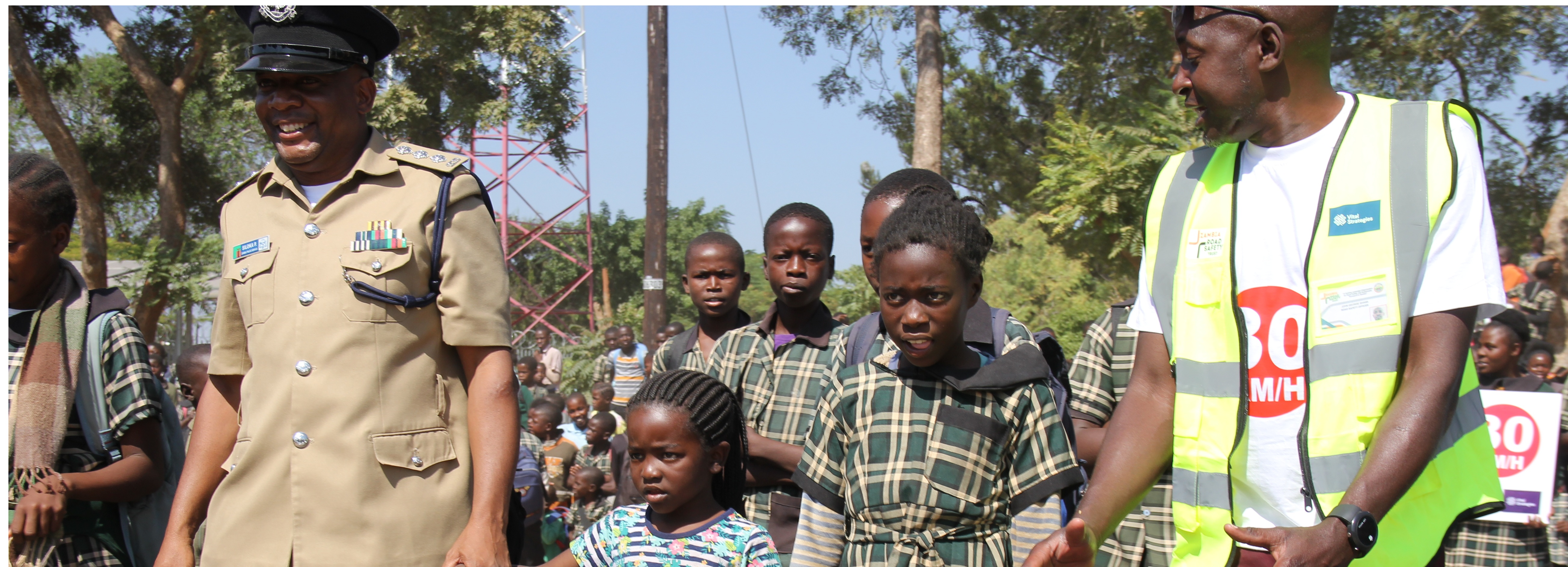
o Fast-track safe school zone programmes and safe walking/cycling corridors, supported by enforcement and community compliance.
4. Hit-and-run accountability
o Strengthen detection and investigation capacity, improve reporting pathways, and deploy measures that reduce escape opportunities (better lighting, surveillance at critical junctions, and visible patrol presence at peak risk times).
5. A national evidence-and-results culture
o Shift from “activity” to measured outcomes, with routine reporting of before/after indicators such as speeds, helmet/seatbelt use, conflict counts, and injury trends.
How ZRST can support national efforts
ZRST reaffirmed its readiness to partner with the Zambia Police Service and Government agencies to deliver measurable, field-tested road safety improvements. ZRST can support through:
• Crash and risk analysis to identify priority corridors and high-harm sites
• Speed surveys and compliance monitoring (before/after evaluations)
• Road safety audits and practical designs for quick-build safety upgrades
• Community engagement and behaviour change programmes for motorists, riders, pedestrians and school communities
• Rider and driver training partnerships, especially for commercial and delivery fleets
• Monitoring & Evaluation frameworks that demonstrate impact for government and cooperating partners
ZRST echoes the Zambia Police Service call for strict observance of traffic rules and urges road users to take immediate responsibility slow down, avoid dangerous overtaking, keep to lane discipline, and protect pedestrians and cyclists.
“Road safety is achievable. The solutions are known. What we need now is disciplined implementation guided by data, backed by enforcement, and designed to protect human life,” Mwamba added.
________________________________________
Media Contact (ZRST):
Zambia Road Safety Trust (ZRST)
Email: info@zambianroadsafety.org