Zambia Road Safety Trust
ZRST AT THE 2ND AFROSAFE ACADEMY CONFERENCE & TRAFFIC SAFETY COURSE
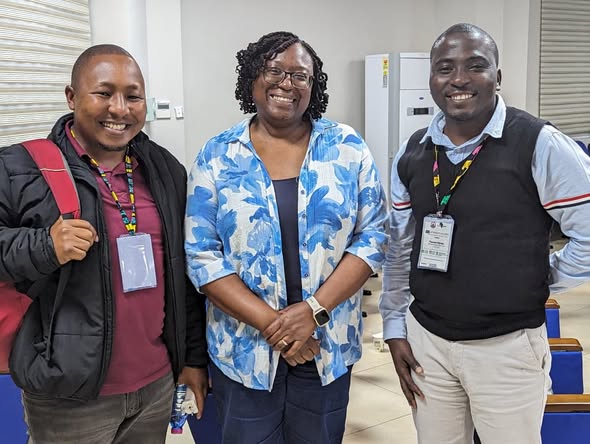
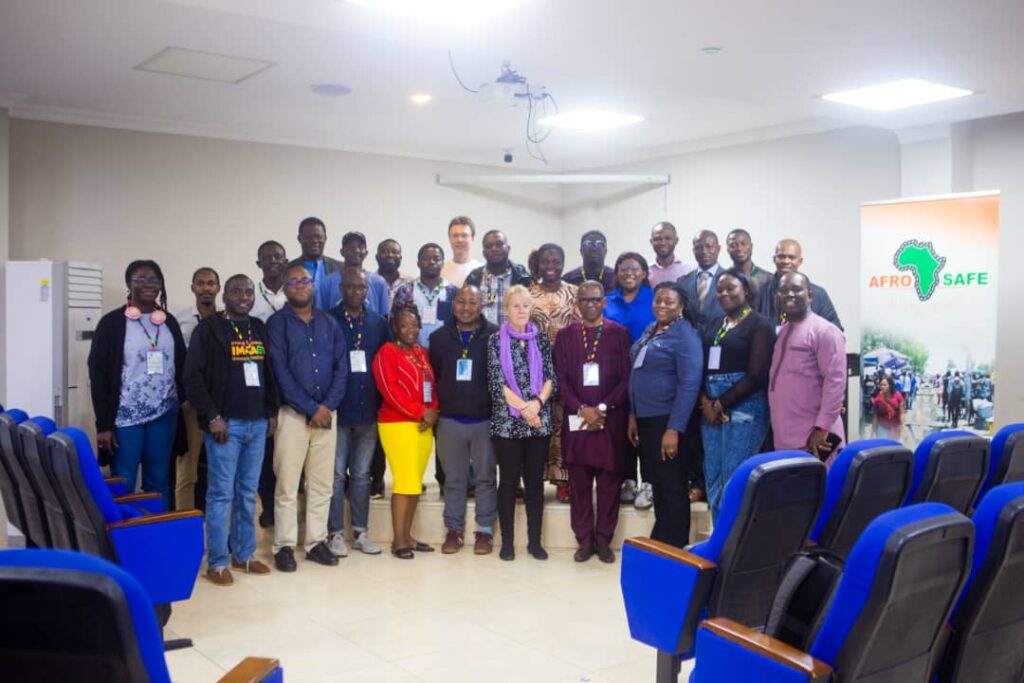
The Zambia Road Safety Trust (ZRST), represented by Mr. Thomas Miyoba, Research and Partnership Manager, participated in the 2nd AfroSAFE Academy Traffic Safety Course and Conference held in Winneba, Ghana (12–15 August 2025).
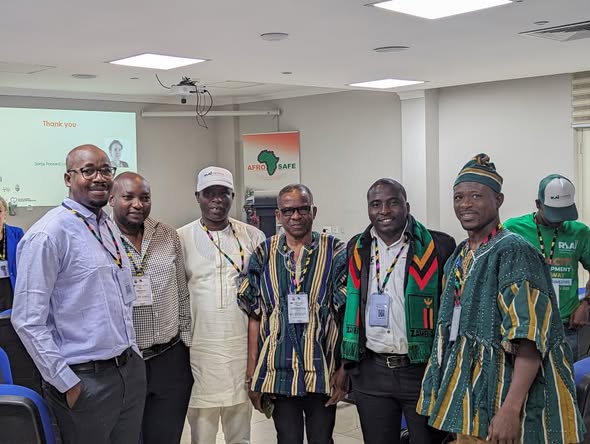
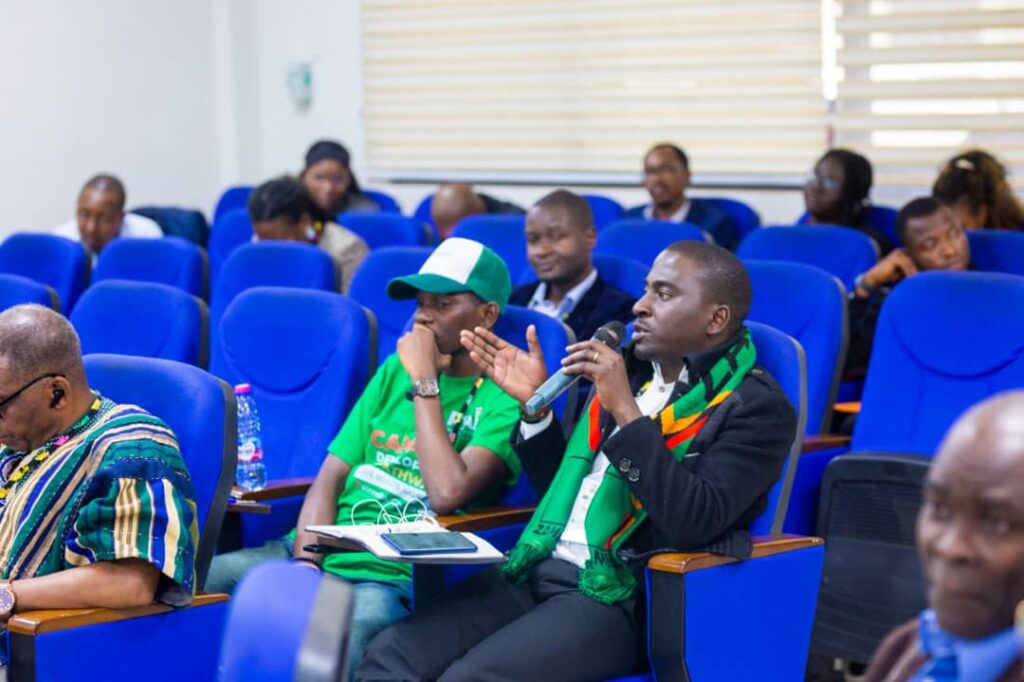
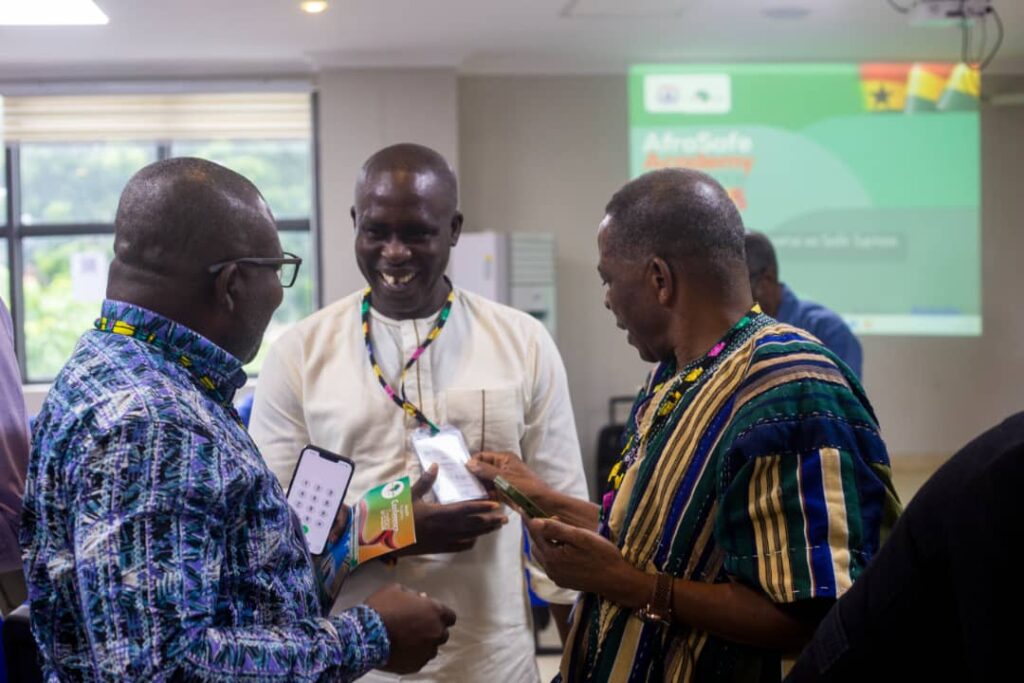
The course and conference were held under the theme “Data-driven discourse on the Safe System approach in Africa”, and brought together road safety practitioners, researchers, policymakers, civil society organisations, and development partners from across the continent. The events provided a critical platform for exchanging evidence-based knowledge on safer roads, sustainable mobility, institutional strengthening, and the protection of vulnerable road users, within the African context.
🔹 12–13 August – Traffic Safety Course
The Traffic Safety Course focused on strengthening participants’ understanding and application of the Safe System approach as a comprehensive framework for preventing road traffic deaths and serious injuries. Key areas of learning included safe road infrastructure design, vehicle safety standards, road safety data collection and analytics, protection of vulnerable road users, and the economics of road safety investments. The course emphasized the importance of data-driven decision-making and multisectoral collaboration in designing effective and sustainable road safety interventions.
🔹 14–15 August – Conference
The conference component featured expert presentations and panel discussions from across Africa, showcasing current research, policy innovations, and practical experiences related to mobility systems, crash data analysis, road user behaviour, and road safety culture.
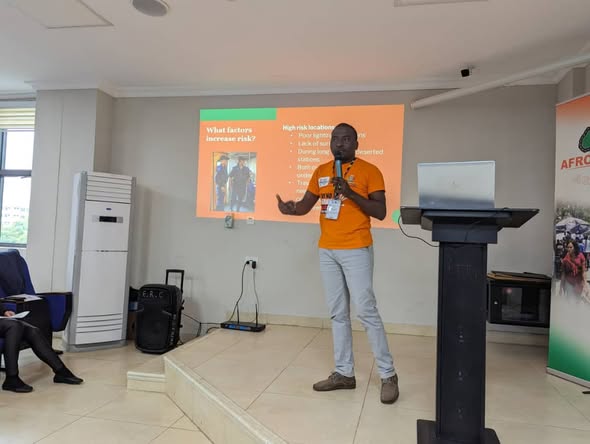
Representing Zambia, Mr. Miyoba delivered a presentation titled “Sexual Harassment in Public Transport in Zambia: Prevalence, Challenges, and Interventions.” The presentation highlighted sexual harassment as a critical but often overlooked road safety and mobility issue, underscoring its impact on women, girls, and young people’s access to safe, dignified, and inclusive public transport. The discussion linked personal safety and gender-responsive transport planning to the broader Safe System agenda, reinforcing the need to address social and behavioural risks alongside infrastructure and enforcement.
ZRST’s participation strengthens Zambia’s voice in continental road safety discussions. Insights gained will guide ongoing efforts to improve road safety culture, protect vulnerable groups, and advocate for policies that reduce traffic deaths and injuries while making transport systems safer and more equitable.
For more information about the 2nd AfroSAFE Academy Traffic Safety Course and Conference, including the programme and key outcomes, please visit the link below:
AfroSAFE 2025—Ghana