Zambia Road Safety Trust
Case Study: VIA Programme for Safe Mobility — Zambia (2025)
Case Study: Implementation of the VIA Programme for Youth-Led Safe Mobility in Lusaka, Zambia (2025)
Executive Summary
This report details the 2025 implementation of the VIA Programme, a global road safety education initiative, in Lusaka, Zambia. Executed by the Zambia Road Safety Trust (ZRST) with funding from the TotalEnergies Foundation, the project targeted 10 government schools in Lusaka Province. The primary objective was to empower young people as "VIA Ambassadors" to identify local mobility risks and advocate for safer conditions. Observational data revealed significant dangers for schoolchildren, including excessive vehicle speeds and inadequate pedestrian infrastructure. The methodology was structured around a five-pillar framework emphasizing local ownership, capacity building, youth-led evidence gathering, practical action planning, and resource provision. Despite initial funding delays, the project successfully onboarded all participating schools, trained 200 youth ambassadors and 21 educators, and initiated numerous awareness campaigns. Preliminary results indicate strong program traction, significant community engagement, and a successful shift towards proactive, youth-centered road safety advocacy. This case study analyzes the program's approach, early outcomes, and its potential for sustainable impact on road safety culture in Lusaka.
1. Introduction
Road traffic crashes represent a significant global public health crisis, disproportionately affecting vulnerable road users, particularly children and young people. Globally, road traffic injuries are a leading cause of death for this demographic, necessitating targeted interventions that go beyond traditional enforcement and engineering solutions (Fondation TotalEnergies, n.d.). In response to this challenge, educational and empowerment-based programs have emerged as a critical component of a holistic "Safe System" approach to road safety.
1.1 The VIA Global Initiative
The VIA Programme is a global road safety education initiative designed to build networks of schools and train young "VIA Ambassadors" to champion safer mobility within their peer groups and local communities. Deployed internationally through TotalEnergies and its affiliates, the program's core philosophy is rooted in participatory learning. It equips young people with the tools to critically assess the risks present in their daily journeys, devise solutions, and implement actions to mitigate those dangers (Fondation TotalEnergies, n.d.). This model transforms youth from passive recipients of safety information into active agents of change.
1.2 Project Inception in Lusaka, Zambia
In 2025, the Zambia Road Safety Trust (ZRST) launched the VIA Programme in Zambia, focusing its initial deployment on Lusaka Province. The project engaged 10 government schools, marking their first-time participation in this international initiative. The selection of Lusaka was strategic, addressing the acute road safety challenges faced by children in a dense urban environment. The program aimed to establish a sustainable, school-based network for road safety advocacy and action, tailored to the specific local context (Admin, 2025).
Project Snapshot: Zambia (2025)
| Implementing Partner: | Zambia Road Safety Trust (ZRST), Zambia |
| Funding (TotalEnergies Foundation): | EUR 30,000 |
| Total Project Cost: | EUR 32,500 (including affiliate contribution) |
| Geographic Focus: | Lusaka (single-city deployment) |
| Participating Institutions: | 10 public schools (~1,500–2,000 learners per school) |
| VIA Ambassadors Trained: | 200 schoolchildren |
| Educators Trained: | 15 teachers and 6 educators |
| Projected Indirect Reach: | ~20,000 schoolchildren by December 2025 |
| Key Milestone Event: | National Final scheduled for Saturday, 8 November 2025 |
Data sourced from the project's initial report (Admin, 2025).
2. The Challenge: Road Safety Deficits in Lusaka's School Zones
The daily commute for schoolchildren in Lusaka is fraught with peril. The urban landscape, characterized by rapid motorization and lagging infrastructure development, creates high-risk environments. The VIA Programme's initial observation phase, conducted by ZRST, provided empirical evidence to quantify and characterize these risks, moving beyond anecdotal accounts to data-driven problem identification (Admin, 2025).
2.1 Empirical Observations of High-Risk Conditions
Systematic observation and data collection around the 10 participating schools revealed a consistent pattern of severe safety hazards. Speeding was identified as a primary threat; in 8 out of 10 speed count exercises, vehicles were recorded traveling at speeds up to 57 km/h in zones with high pedestrian activity. This is significantly above the 30 km/h speed limit recommended by the World Health Organization for areas with vulnerable road users. Compounding this issue was the sheer volume of foot traffic, which averaged 1,150 pedestrians during peak times, the vast majority of whom were schoolchildren (Admin, 2025). This combination of high speeds and high pedestrian density creates a formula for frequent and severe traffic incidents.
2.2 Infrastructure and Environmental Deficiencies
The observational work also documented critical deficiencies in road infrastructure and environmental management. Key findings included a pervasive lack of essential safety features such as clear road markings, pedestrian crossings, and adequate signage to warn drivers they are entering a school zone. Furthermore, the physical infrastructure to protect pedestrians was often entirely absent, with a notable lack of sidewalks forcing children to walk on the road itself, directly in the path of traffic (Admin, 2025).
These infrastructure gaps were exacerbated by dangerous driver behaviors and disorganized roadside environments. Unregulated parking and the proliferation of informal vendors encroached upon the limited space available for pedestrians, creating visibility obstructions for both drivers and children. This chaotic setting normalizes risk and makes safe navigation a constant challenge for young commuters (Admin, 2025).
3. Methodology: The VIA Programme's Five-Pillar Implementation Framework
The VIA Programme's success hinges on a structured, multi-faceted approach that fosters youth leadership and ensures programmatic sustainability. In Zambia, ZRST adapted the global model into a five-pillar implementation framework, designed to embed road safety practices within the school system and the wider community (Admin, 2025). The core philosophy centers on empowering young ambassadors to become credible and effective advocates for safe mobility within their own context (Fondation TotalEnergies, n.d.).
3.1 Pillar 1: Strong Local Ownership and Stakeholder Alignment
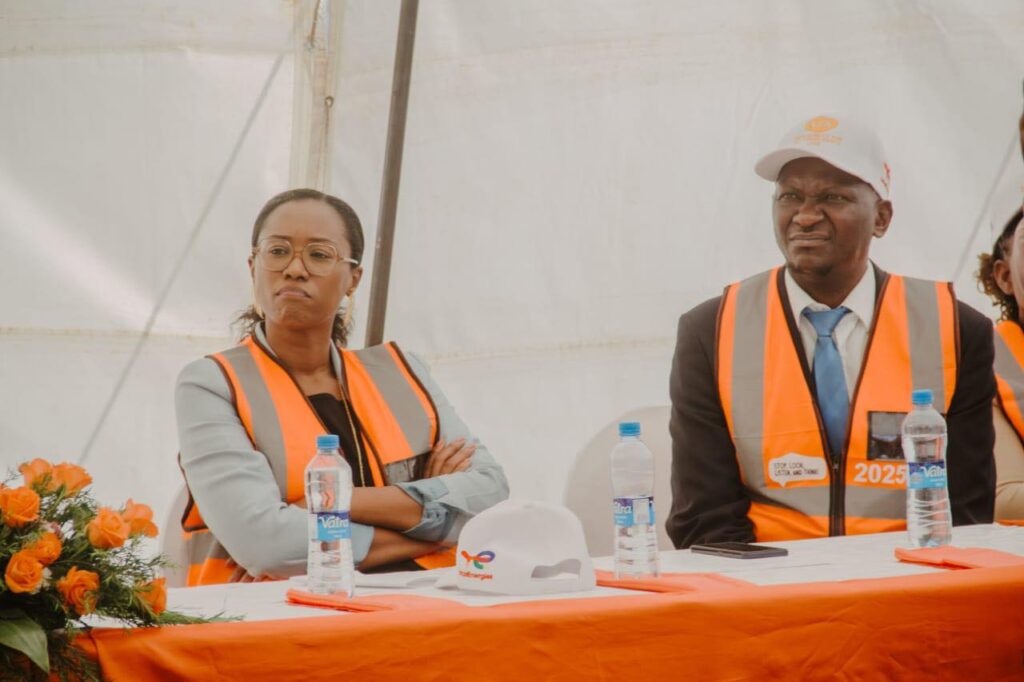
To ensure institutional buy-in and long-term viability, the project was launched with extensive stakeholder consultation. The official rollout event, held on June 10, 2025, at Twashuka Primary School, was not merely ceremonial but a strategic act of coalition-building. It brought together key local and national bodies, including the Lusaka City Council, the Road Transport and Safety Agency (RTSA), the United Nations Development Programme (UNDP) Zambia, TotalEnergies Zambia, and the Zambia Police. The active participation of these institutions, alongside school leadership and community representatives, signaled a unified commitment to the program's goals and facilitated inter-agency cooperation from the outset (Admin, 2025).
3.2 Pillar 2: Capacity Building through a Train-the-Trainer Model
For the program to have a lasting impact beyond the project's initial term, a focus on sustainability was paramount. ZRST implemented a train-the-trainer model to build local capacity. This began with the training of an internal ZRST coordination team, followed by comprehensive VIA training for 6 external educators and 15 teachers from the 10 participating schools. This cascade model ensures that the knowledge and skills to run the VIA curriculum are retained locally, allowing schools to continue the program independently in subsequent years (Admin, 2025).
3.3 Pillar 3: Youth-Led Risk Mapping and Evidence Gathering
A cornerstone of the VIA methodology is empowering youth to generate their own evidence. Each of the 10 schools formed teams of VIA Ambassadors who conducted structured observation activities. These included "discovery walks" on their routes to school and participatory risk mapping exercises. This process served a dual purpose: it provided ZRST with granular, ground-level data on consistent risk factors (speeding, missing signage, exposure points), and, more importantly, it enabled the students to develop a critical understanding of their environment and identify specific problems they could address (Admin, 2025).
3.4 Pillar 4: Action Planning for Practical, Replicable Solutions
Following the evidence-gathering phase, the program guided ambassadors and teachers through a structured action planning process. The emphasis was on developing practical, low-cost, and replicable solutions. Actions were categorized into several domains: educational (peer-to-peer classes), artistic (posters, murals), communication (community dialogues), and advocacy (engaging with local leaders). A key strategy involved using one school as a high-impact demonstration site for low-cost infrastructure improvements, such as the installation of signage, rumble strips, and speed humps. This serves as a tangible proof-of-concept that can be advocated for and replicated at other school locations (Admin, 2025).
3.5 Pillar 5: Equipping Schools with Tools for Delivery and Visibility
Effective implementation requires adequate resources. ZRST procured and distributed essential materials to support the program's activities and enhance its visibility. Each of the 200 ambassadors received a branded t-shirt and a high-visibility reflective vest, reinforcing their identity and promoting safety. To facilitate documentation and evidence gathering, each of the 10 schools was provided with an Android phone. Additionally, creative materials were supplied for the development of prevention posters and other awareness activities, ensuring that schools were fully equipped to execute their action plans (Admin, 2025).
4. Results and Preliminary Findings
While a comprehensive impact evaluation will be conducted upon project completion, early results and progress indicators as of December 2025 demonstrate significant traction and successful execution of the program's initial phases. The project also demonstrated resilience in adapting to operational challenges.
4.1 Operational Adaptation to Implementation Delays
A significant operational challenge arose from a delay in the disbursement of initial funding, which was received in August 2025. This timing coincided with a school recess period, limiting access to both learners and teaching staff. In response, ZRST demonstrated effective project management by recalibrating the implementation timeline without losing momentum. The training schedule for VIA Ambassadors was reset to commence on September 15, 2025, and ran intensively through October 22, 2025. This agile response ensured that all subsequent program phases remained on track for completion and public showcasing before the end of the year (Admin, 2025).
4.2 Key Performance and Progress Indicators
The program has successfully met or is on track to meet its primary mobilization targets. All 10 designated government schools in Lusaka were successfully onboarded as new participants in the VIA network. Across this network, a cohort of 200 youth ambassadors was recruited, trained, and mobilized. Furthermore, the capacity-building component was completed, with 15 teachers and 6 external educators now equipped to deliver the VIA curriculum. The program's activities are projected to have an indirect reach of approximately 20,000 schoolchildren by the end of December 2025 through school-wide campaigns and peer-to-peer education (Admin, 2025).
4.3 Qualitative Outcomes: Ongoing Awareness Actions
Beyond quantitative metrics, the program has catalyzed a range of youth-led awareness actions. These initiatives demonstrate the ambassadors' engagement and creativity:
- Art-based Awareness: Children are using drawings, paintings, and creative messaging to produce posters and other visual materials that communicate road safety risks to their peers and the community.
- Peer-to-Peer Education: Trained ambassadors are delivering demonstration classes to their fellow students, leveraging the power of peer influence to transmit safety knowledge.
- Community and Civic Advocacy: Ambassadors have begun engaging in community dialogues and presenting their findings to civic leaders and decision-makers, translating their research into direct advocacy for change.
4.4 Digital Engagement and Visibility
The program's activities have generated growing public interest, as reflected in digital engagement metrics. Communications related to the VIA Programme in Zambia have led to a notable increase in online traffic for ZRST and its affiliate partners. Platform analytics indicate approximately 4,500 weekly visits on Facebook and 1,500 weekly visits on LinkedIn, suggesting that the program's message is resonating with a broader audience online (Admin, 2025).
5. Discussion and Future Outlook
5.1 Significance of the VIA Model in the Lusaka Context
The initial implementation of the VIA Programme in Lusaka is significant because it directly confronts the normalization of risk in children's daily lives. By placing children at the center of the solution—as researchers, analysts, and advocates—the program helps to shift the community paradigm from one where risk is accepted as normal to one where risk is identified, discussed, and acted upon. The model's structure, with educators serving as anchors and local authorities as enabling partners, creates a supportive ecosystem for this youth-led change. This approach is particularly relevant in contexts like Lusaka, where top-down interventions may lack the granular, localized knowledge that children possess about their own journeys (Admin, 2025).
5.2 Sustainability and Scalability Mechanisms
The program's design includes mechanisms to foster sustainability and scalability. The "high-impact action" component is a key strategic element. This mechanism provides an additional grant of EUR 5,000 to scale up an outstanding school-led awareness action, enabling it to achieve a broader community impact. This not only rewards excellence and innovation but also provides a pathway for replicating successful, context-proven interventions across other schools and communities. Combined with the train-the-trainer model, this strategy supports both the deepening of local change and the potential for wider replication of the VIA Programme in other parts of Zambia (Admin, 2025).
5.3 Limitations and Next Steps
This report is based on preliminary data and progress indicators. The full impact of the program, particularly in terms of behavioral change and potential reduction in traffic incidents, will require longer-term measurement and will be consolidated in a final project report. The next major milestone for the program is the National Final, scheduled for November 8, 2025. This event will serve as a platform for the VIA Ambassadors to showcase their projects to a wider audience of stakeholders, policymakers, and the media, further amplifying their advocacy efforts. The findings and successes from this initial cohort will provide a valuable evidence base for future expansion of the program.
6. Conclusion
The 2025 launch of the VIA Programme in Lusaka, Zambia, represents a promising and well-executed initiative to address the critical issue of child road safety. Through its five-pillar methodology, the project has successfully established a foundation for youth-led change by fostering multi-stakeholder collaboration, building local capacity, and empowering schoolchildren to become active agents in their own safety. Despite initial operational hurdles, the Zambia Road Safety Trust effectively adapted its timeline to meet all primary objectives, including the training of 200 VIA Ambassadors and 21 educators across 10 schools. The early results, characterized by strong program uptake and vibrant, youth-led awareness campaigns, indicate that the model is both relevant and effective in the Lusaka context. The VIA Programme is not merely an educational campaign but a platform for civic engagement, demonstrating that with the right tools and support, young people can play a central role in creating safer, more livable communities.
7. References
- Admin. (2025, December 28). Case Study: VIA Programme for Safe Mobility — Zambia (2025). Zambia Road Safety Trust. Retrieved from https://www.zrsr.org.zm/reports/via-case-study-2025
- Fondation TotalEnergies. (n.d.). VIA: A global road safety education programme for young people. Retrieved December 28, 2025, from https://foundation.totalenergies.com/en/our-programs/youth-inclusion-and-education/via-programme