Zambia Road Safety Trust
Sustainable low-carbon Mobility EVs for public transport Project – ZRST
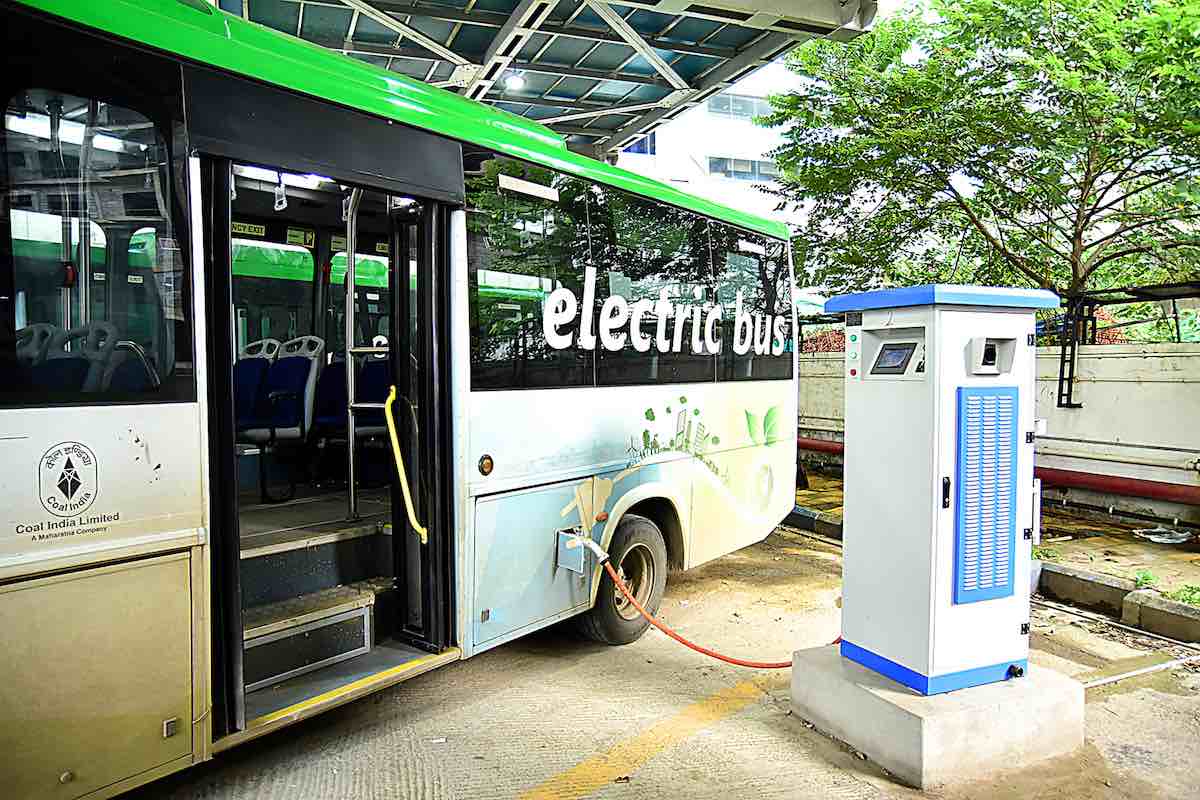
The Zambia Road Safety Trust (ZRST) is actively engaged in pioneering projects aimed at integrating climate resilience and sustainable low-carbon mobility into Zambia’s transportation sector. ZRST’s involvement focuses on transitioning public transport to electric vehicles (EVs) and ensuring transport infrastructure is designed to withstand the impacts of climate change while prioritising the needs of vulnerable populations.
ZRST’s Role in Climate Change and Sustainable Transport
ZRST’s climate-related work is primarily channelled through two major initiatives: the development of an EV bus network and the promotion of inclusive, climate-resilient transport planning.
Accelerating the Transition to Electric Mobility
Description and Involvement
ZRST partnered with the Zambia Electric Mobility Innovation Alliance (ZEMIA) and Greencrowd Partnership LLP to undertake a Techno-Socioeconomic Analysis exploring the feasibility and impact of establishing an electric vehicle (EV) bus transportation network, with a focus on Lusaka. The project evaluated the economic, environmental, and infrastructural dimensions necessary for this transition.
Zambia is strategically positioned for this shift because its electricity grid is already 86% reliant on renewable sources (primarily hydroelectric). This high penetration of renewable energy ensures that converting vehicles from internal combustion engines (ICE) to EVs confers tangible carbon reduction benefits.
This initiative presents significant economic, environmental, and climate benefits, supporting Zambia’s goal of achieving sustainable development and fulfilling its climate obligations:
Climate Change Mitigation
A sector-wide switch of minivan buses from ICE to EV would result in a substantial reduction of 178,509 tCO2e (tonnes of Carbon Dioxide equivalent) based on current utilisation and carbon intensity of the grid. The overall carbon footprint of an ICE vehicle surpasses that of an EV vehicle in just the EV’s first year of operation. This move supports Zambia’s Nationally Determined Contributions (NDCs), specifically the aim of reducing greenhouse gas emissions by 25% by 2030.
Transitioning to EV buses is forecast to reduce operational costs by over 50% compared to ICE buses. The switch for approximately 40,000 minivans could equate to staggering annual fuel savings of 86 million litres, resulting in ZMW 2.7 billion in savings for the Zambian economy.
The resulting reduction in urban air pollution can contribute directly to improved public health outcomes. EV buses are also quieter than diesel buses, contributing to lower noise pollution in cities.
Initial evaluations indicate that high utilisation routes, like those in Lusaka, are suitable for a pilot project, and infrastructure deployment could initially require minimal upgrades to distribution networks for slower chargers.
To realise these impacts, government action and donor support are crucial for mitigating key challenges, such as high upfront costs and limited charging infrastructure:
Financial Incentives: Implement further government incentives, such as subsidies and reduced import duties, to address the high upfront capital costs of EVs.
Infrastructure Investment: Develop strategic business models and public-private partnerships (PPP) to support the establishment of a robust charging network aligned with urban transport routes, possibly located in bus stops to allow for overnight charging during off-peak power demand.
Policy Framework: Establish a robust policy framework to address EV integration, urban planning, and public transport modernisation, positioning Zambia as a regional leader in sustainable transportation.