National road safety NGO with 15+ years’ experience
Trusted technical partner to the Government and development partners
Delivering infrastructure, training, policy, and research support
The Zambia Road Safety Trust (ZRST) is Zambia’s leading non-governmental organisation dedicated to road safety. Established in 2014 as a public trust (registration no. 101/0503/15), ZRST was created in direct response to the heavy burden of road traffic deaths and injuries in Zambia, particularly affecting vulnerable road users, pedestrians, and children.
As an operational NGO, ZRST designs, implements, and evaluates practical road safety solutions within communities, schools, and cities. The Trust operates with a strong culture of results, accountability, and transparency, ensuring that resources are managed with integrity and measurable impact.
Our Core Identity
ZRST frames road safety as a core component of sustainable urban development, as well as a public health issue, a child protection issue, and a poverty and equity issue.
- Vision: A Zambia in which no one is killed or seriously injured on the road, and where every person can move safely, sustainably and with dignity.
- Mission: To save lives and prevent serious injuries on Zambia’s roads through evidence-based interventions, advocacy and partnerships, with a focus on vulnerable road users.
- Core Values: The Trust’s work is guided by integrity and accountability, evidence-based action, partnership and collaboration, learning and innovation, and equity and inclusion, with a focus on women, children, and people with disabilities.
Building on a decade of experience, ZRST has demonstrated capacity to both influence national policy and deliver tangible, life-saving interventions on the ground.
Infrastructure and Engineering:
ZRST has delivered significant safe infrastructure around high-risk schools, including the installation of speed humps, footpaths, raised and painted zebra crossings, warning signs, road markings, and pedestrian gates. At several Lusaka schools, before-and-after speed surveys have shown steep reductions in vehicle speeds near school gates, and some corridors have recorded no further child fatalities after interventions were implemented.
Beyond school zones, the Trust has successfully designed and delivered complex safety treatments along busy urban carriageways.
- Along Great East Road, ZRST installed a package of countermeasures, including rumble strips, speed-limit reminders, and pedestrian warning signs, confirming reduced vehicle speeds and safer crossing behaviour.
- On Kalundu Street, the Trust helped reallocate road space to balance the needs of pedestrians, motorists, and cyclists, leading to the installation of traffic-calming humps, an expanded walkway, and the creation of Lusaka’s first dedicated cycle lane.
Policy and Advocacy Leadership:
ZRST played a crucial role in the adoption of Zambia’s 30 km/h speed limit on urban roads. This work involved advocating for lower speeds around residential areas and schools, working with national leaders and the Lusaka City Council. This achievement is recognised as a strong African example of an NGO-led campaign successfully shaping national legislation. ZRST has also advocated for the implementation of the Lusaka Non-Motorised Transport (NMT) Strategy and called for a network of safe crossings, cycle tracks, and sidewalks.
Education and Behaviour Change:
The Trust runs educational programmes in schools and communities, including delivering classroom-based road safety lessons and creative programmes like Kids’ Courts.
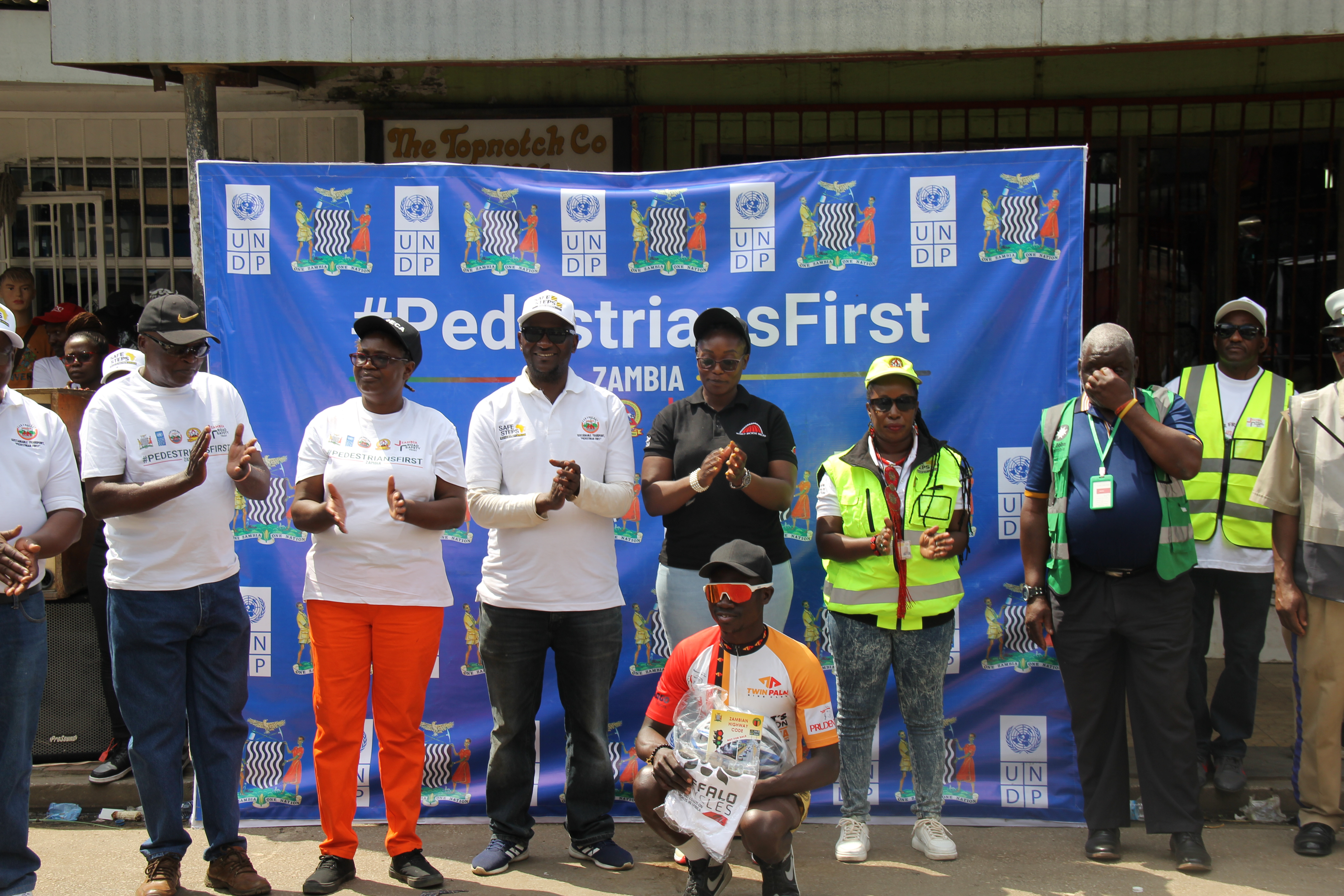
- In 2024–2025, ZRST launched the US$100,000 Safe Steps programme in partnership with Prudential/Prudence Foundation, RTSA, and the Cycling Association of Zambia. As the lead implementing NGO, ZRST is targeting up to 8 million people nationwide with simple, life-saving messages through community outreach, school-based education, and media campaigns.
- ZRST has also partnered with Yango to provide motorcycle rider training focused on promoting safe speeds, helmet use, and defensive riding, aiming to improve night-time visibility and safer operating practices for taxi and delivery riders.
Strategic Partnerships:
ZRST actively collaborates with key government bodies, including the Road Transport and Safety Agency (RTSA), the Zambia Police Service, and the Lusaka City Council, to ensure policy alignment and the sustainability of interventions. Globally, ZRST contributes local knowledge and implementation experience as a national partner in the EU-funded AfroSAFE project, which promotes the Safe System approach across African countries.
