Making Zambia’s trade corridors safer, faster, and more reliable for people and goods
Road transport is the backbone of Zambia’s economy and regional integration—connecting farms, mines, factories, and markets to borders and ports across SADC and COMESA. But crashes, unsafe speeds, overloaded vehicles, weak safety management, and poor corridor design create avoidable costs and delays.
For ZRST, road safety is a trade facilitation measure. Safer corridors reduce disruption, improve reliability, protect drivers and communities, and strengthen Zambia’s competitiveness under AfCFTA and regional trade frameworks.
Why Trade & Transport Safety Matters
Unsafe roads affect trade performance by increasing:
- Transit time variability (unreliable delivery schedules)
- Vehicle downtime and maintenance costs
- Cargo loss and damage
- Insurance premiums and claims
- Reputational and ESG risk for logistics, mining, and exporters
- Community harm in towns and markets along corridors
ZRST works to reduce these risks through practical, evidence-based interventions aligned with the Safe System approach.
ZRST’s Role in Enhancing Trade Through Safer Transport
1) Safer Trade Corridors (Corridor Safety Management)
ZRST supports the Government, road authorities, and partners to improve safety on high-volume corridors such as:
- Lusaka–Ndola
- Lusaka–Livingstone
- Lusaka–Chirundu
- Nakonde–Tunduma
- Kazungula and surrounding regional links
What ZRST delivers
- Corridor road safety audits and risk inspections
- Identification of high-risk sections (freight + mixed traffic, settlements, schools, markets)
- Low-cost, high-impact treatments (signage, markings, speed management, crossing safety, visibility)
- Protection for pedestrians, cyclists, roadside traders, and public transport users
Trade outcome
- Fewer corridor closures from severe crashes
- More predictable journey times
- Lower total logistics costs
2) Safe Freight & Commercial Vehicle Operations
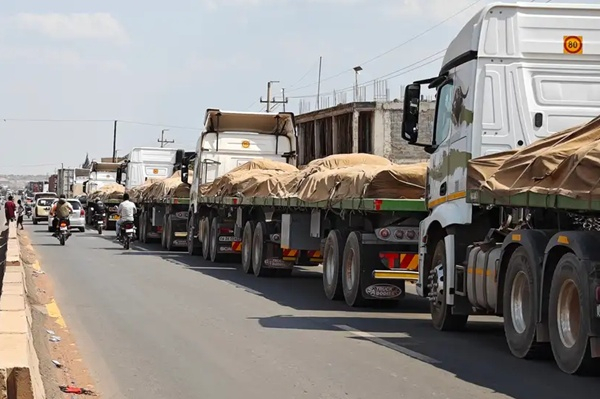
Heavy vehicles and buses are often linked to the most severe crashes. ZRST supports safer fleet operations by strengthening safety culture and compliance across operators.
What ZRST delivers
- Fleet safety programmes with logistics and corporate operators
- Commercial driver training support (defensive driving, hazard awareness, compliance)
- Speed, fatigue, and visibility risk mitigation campaigns
- Practical safety toolkits for operators and driver supervisors
Trade outcome
- Higher reliability and reduced downtime
- Safer working conditions for drivers
- Stronger ESG performance for exporters and investors
3) Border Town and Last-Mile Safety
Border towns and logistics hubs face high-risk mixes of trucks, buses, pedestrians, and informal trading activity.
What ZRST delivers
- Safer access plans around border facilities and dry ports
- Pedestrian and trader safety improvements in high-exposure locations
- Support to councils on traffic circulation, parking, and safe crossings
- Awareness campaigns and risk communications for local communities
Trade outcome
- Reduced conflict between freight movement and local mobility
- Safer and smoother border-town operations
- Improved safety for vulnerable road users at trade hotspots
4) Policy, Standards, and Regional Alignment
ZRST helps bridge global best practice and local implementation, supporting harmonised safety approaches across borders.
What ZRST delivers
- Technical support to align corridor safety efforts with:
- AfCFTA trade facilitation goals
- SADC and COMESA transport initiatives
- UN Decade of Action for Road Safety (2021–2030)
- Evidence for speed management, safer infrastructure standards, and enforcement coordination
- Institutional capacity-building for Safe System implementation
Trade outcome
- More consistent safety standards across corridors
- Increased investor confidence
- Reduced cross-border friction from preventable safety failures
5) Data, Evidence, and Decision Support
What gets measured gets improved. ZRST supports corridor safety decisions with clear evidence.
What ZRST delivers
- Crash hotspot mapping and corridor risk profiling
- Before-and-after evaluation of safety treatments
- Dashboards and reporting that link safety improvements to trade efficiency
- Support for data harmonisation with national and city systems
Trade outcome
- Better targeting of investments
- Stronger business cases for donor and private financing
- Measurable returns on safety spending
6) Public–Private Partnerships for Safer Trade
Trade corridor safety improves fastest when the Government, private operators, and development partners act together.
What ZRST delivers
- PPP-style safety pilots with:
- Mining and logistics firms
- Fuel and transport companies
- Insurance providers
- Development partners and city councils
- Transparent programme design with measurable KPIs
- Co-financing models that leverage CSR/ESG funding for public-good safety upgrades
Trade outcome
- Shared responsibility and faster delivery
- Sustainable financing beyond public budgets
- Scalable models for national and regional replication
Regional Contribution (SADC / COMESA)
ZRST can serve as a regional technical partner by:
- Supporting cross-border corridor safety pilots
- Sharing implementation learnings and toolkits
- Helping build a Southern Africa evidence base on trade-related road safety
This positions Zambia not only as a transit country, but as a leader in safe and efficient regional trade transport.
How We Can Work Together
Government & Road Authorities
- Corridor safety inspections and prioritisation
- Safe speed programmes and engineering packages
- Monitoring and evaluation support
Logistics, Mining, and Corporate Operators
- Fleet safety programmes and training
- Driver risk reduction and compliance toolkits
- Joint corridor safety pilots aligned with ESG goals
Development Partners
- Scalable, evidence-led corridor programmes
- Results frameworks and KPI reporting
- Co-financing and replication support
Let’s Improve Safety and Trade Efficiency Together
If you want to reduce corridor risk, improve reliability, and protect communities along trade routes, ZRST is ready to support.
