ZRST was a partner organisation in the UKAID-funded project, Inclusive Climate Resilient Transport in Africa , which aimed to strengthen the technical capacity for implementing inclusive, climate-resilient, low-carbon mobility across low- and middle-income countries in Africa. The project focused on incorporating the voices of disadvantaged groups (e.g., the poor, PWD, women, children) into transport planning, alongside measures to make infrastructure more resilient to climate-related extreme weather events (such as flooding or heatwaves).
This was a 24-month project with UN Environment’s (UNEP) Share the Road Programme to strengthen the technical capacity of African transport planners to develop and implement inclusive climate resilient transport infrastructure. The project focused on the evaluation of participatory approaches and developed an evidence-based toolkit to support African transport policymakers and decision-makers.
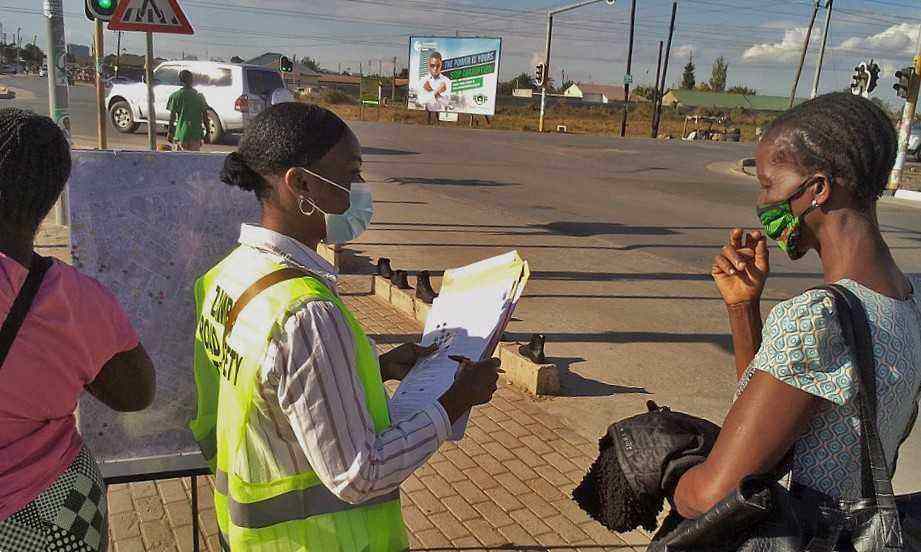
Through this project, ZRST applied participatory approaches in Lusaka, including stakeholder interviews and the installation of a 3D zebra crossing, to understand the mobility challenges faced by vulnerable road users.
Impact
This project provided critical insights and tools for better governance and planning:
Enhanced Policy Alignment: The project raised awareness among Zambian engineers and policymakers regarding the concept of inclusive climate-resilient transport . The Government of Zambia acknowledged the low priority given to vulnerable groups in past road transport infrastructure development and welcomed approaches that address this inequality.
Tangible Safety Improvements: The use of creative methods, such as the 3D zebra crossing installed by ZRST, proved highly effective, leading to an overwhelming response from public authorities and local communities. Based on the pilot installation, a private sector company requested ZRST to implement four additional 3D zebra crossings.
Climate Resilience Integration: The research highlighted the institutional arrangements necessary for better coordination of climate-resilient infrastructure, including Climate Data Sharing Protocols between meteorological and transport agencies, revision of professional training curricula, and the inclusion of climate resilience as a standard feature in the Terms of Reference for transport procurement.
Empowering Vulnerable Groups: The participatory tools tested (e.g., mapping, digital storytelling, Delphi method) were successful in engaging vulnerable communities and ensuring their challenges related to mobility and climate impacts were heard, which is essential as low-income groups often suffer the most from a poor transport system and a changing climate.
Sustained support is needed to institutionalise these planning practices:
Funding Resilient Infrastructure: Secure funding to dedicate a percentage of transport budgets (e.g., an estimated 1-2% of total infrastructure project costs ) to addressing the inclusion of climate-resilient infrastructure.
Capacity Building: Increase training opportunities for transport planners, decision-makers, and representatives of vulnerable groups to enhance their skills in using participatory tools and integrating climate resilience into projects.
Data Integration: Gather local knowledge from communities to identify local climate risks (e.g., flooding) that can supplement national climate change forecasts, ensuring plans are based on robust data.
ZRST is positioned to leverage its experience in road safety and its partnerships with government agencies and international organizations to lead Zambia toward a future of sustainable, safe, and climate-resilient urban mobility.
https://www.sei.org/projects/inclusive-climate-resilient-transport-in-africa/#—zambia
