A road crash is not just a number. For a school, it can mean one learner never returns. For a family, it can mean grief that does not end.
Child road safety in Zambia has not been treated as a serious national issue. We often speak about education, child welfare, and protection. But many children still face danger just getting to school and back home. This has been happening for years, and it has not received the attention it deserves.
In this article, I use information from Zambia Police, RTSA reporting, Ministry of Education statistics, and what ZRST has observed through our work. I also compare Zambia with Sweden to show what is possible when a country decides to reduce road deaths.
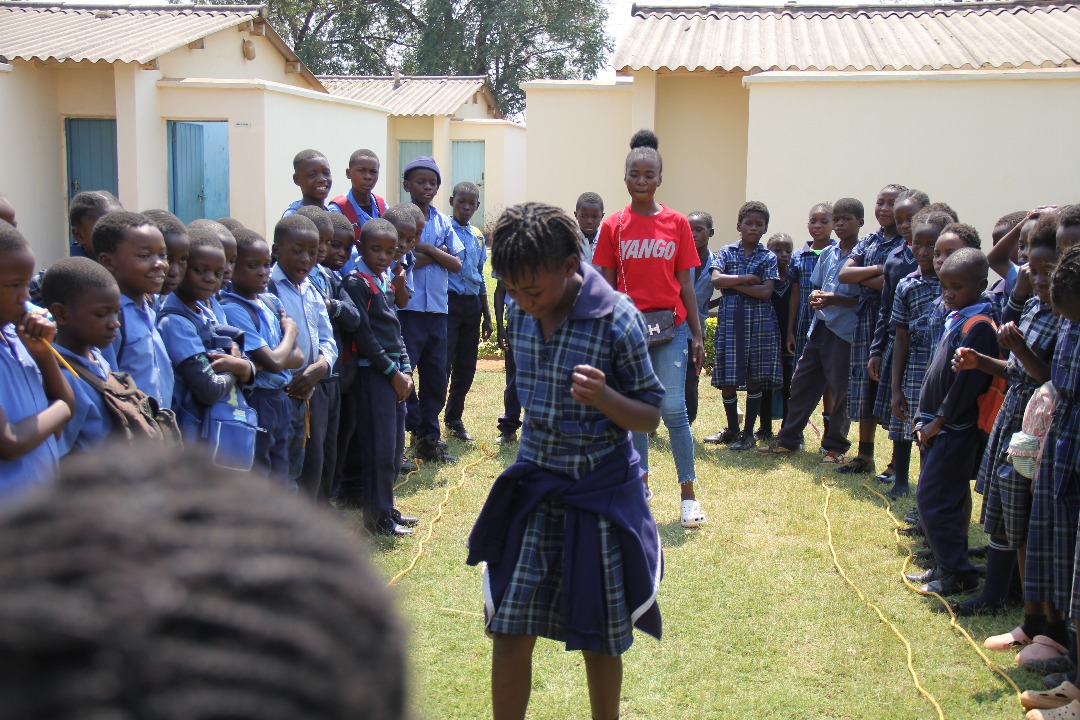
The Ministry of Education statistics show that Zambia has more than 6.5 million learners enrolled in recent national figures. That means millions of children are moving every day. Some walk long distances. Some cross busy roads. Some cycle. Many use buses or ride in cars. These are repeated journeys, day after day, term after term. When a country has this many school journeys, the safety of the trip to school cannot be treated as a small side issue.
When we look at the data that is publicly available, we can see that child deaths remain high. In RTSA status reports, which use figures collected from Zambia Police stations, the number of children under 16 who died in road crashes includes 197 in 2019, 183 in 2020, 213 in 2021, 217 in 2022, and 201 in 2023. These are not small numbers. They show a steady pattern of loss.
In 2025, Zambia Police quarterly figures, as compiled by ZRST from official releases, recorded 51 child deaths in the first quarter, 63 in the second quarter, 73 in the third quarter, and 56 in the fourth quarter. That gives a total of 243 child deaths in 2025. This is about 20 children each month. It also means that in many weeks, Zambia is losing several children on the roads, not from disease, but from crashes that can be prevented.
Children also make up a noticeable share of overall road deaths. For example, RTSA reported 2,163 total road deaths in 2021. In the same year, 213 of those deaths were children. That is roughly one in ten. When a problem is killing that many children, it should be treated as a priority for health, education, and public safety.
It is also important to understand how children are dying. Police reporting over time shows that many children who die are pedestrians or passengers. In simple terms, children are being killed while walking or crossing roads, or while riding in vehicles. This matters because it shows that the problem is not only about children making mistakes. It is also about the road environment, the speed of traffic, weak protection for pedestrians, and unsafe travel conditions for passengers.
In 2024, the overall figures were another warning. Zambia recorded 35,731 road traffic accidents and 2,199 road deaths. Police also reported 1,310 child casualties under 16 involved in road traffic accidents that year. Even when we do not have every detail in one place for that year, high child casualty numbers are a strong sign that children are facing serious risk on our roads. If the conditions remain the same, we should expect more deaths.
Many people ask why child road safety seems to stay in the background. One reason is that it falls between systems. Transport and local authorities focus on roads and traffic flow. Education focuses on teaching, attendance, and results. Health services treat injuries after the crash. Law enforcement is often stretched and can become reactive. When responsibility is shared but not clearly owned, urgent problems can be left unattended. Yet road injury is a major cause of death for children and young people worldwide, and Zambia is not an exception.
A comparison with Sweden helps us see the difference that policy and enforcement can make. Sweden’s road death rate is far lower than Zambia’s in international comparisons. One estimate places Sweden at about 21 deaths per million people, while Zambia is about 171 deaths per million. The key point is not that Swedish children are somehow “better.” The difference is that Sweden has built a system that reduces risk more consistently. They control speed in areas where people walk. They provide safer crossings and walkways. They apply strong standards to vehicles and child passenger safety. They enforce rules steadily, including through technology in some places. When a system is designed around safety, fewer people die.
Zambia can reduce child road deaths, but it requires clear choices and steady work. Schools need safer surroundings. This includes clear 30 km/h school zone signs, visible markings, safer crossing points, and safer places for drop-off and pick-up. Where children walk along traffic, they need protected space or at least basic walking lanes. These are practical changes, and they save lives.
Speed control near schools and in busy walking areas must also improve. Speed is one of the biggest reasons crashes become fatal. Enforcement around schools should be regular, especially in the morning and afternoon. Penalties should be applied fairly and consistently. Where it is practical and lawful, automated enforcement can help because it improves certainty and reduces room for negotiation.
Children must also be protected when they travel as passengers. That includes strong checks on roadworthiness, action against overloaded vehicles, and strict enforcement of seatbelt use. Child restraint use should be promoted and supported as much as possible, especially for younger children. School transport also needs clear standards that are enforced, not only discussed after tragedies.
Educators have a role, but schools cannot carry this burden alone. Schools can create simple “safe route to school” plans, identify dangerous crossing points, and work with councils and police on local solutions. Schools can also track near-misses and risky locations, not only crashes, because near-misses often point to where the next tragedy will happen. But schools need support, guidance, and partnerships to do this well.
Finally, data should be used to target action. We should link Police crash data, RTSA reporting, and Ministry of Education information such as school locations and learner numbers. This would allow Zambia to identify the highest-risk school corridors and act faster, instead of waiting for public outcry after a child dies.
ZRST is calling for child road safety to be treated as a real national issue, with clear responsibility and funding. We should not accept child road deaths as normal. We should not wait for a headline before we act. The journey to school should not be the most dangerous part of a child’s day.
Every child should arrive alive.
